This website was last updated on Thursday, October 22, 2026, at 20:58h CET
SELECTION OF WORKS
(2026 – 2014)









SELECTION OF EXHIBITIONS & PROJECTS (TO BE UPDATED)

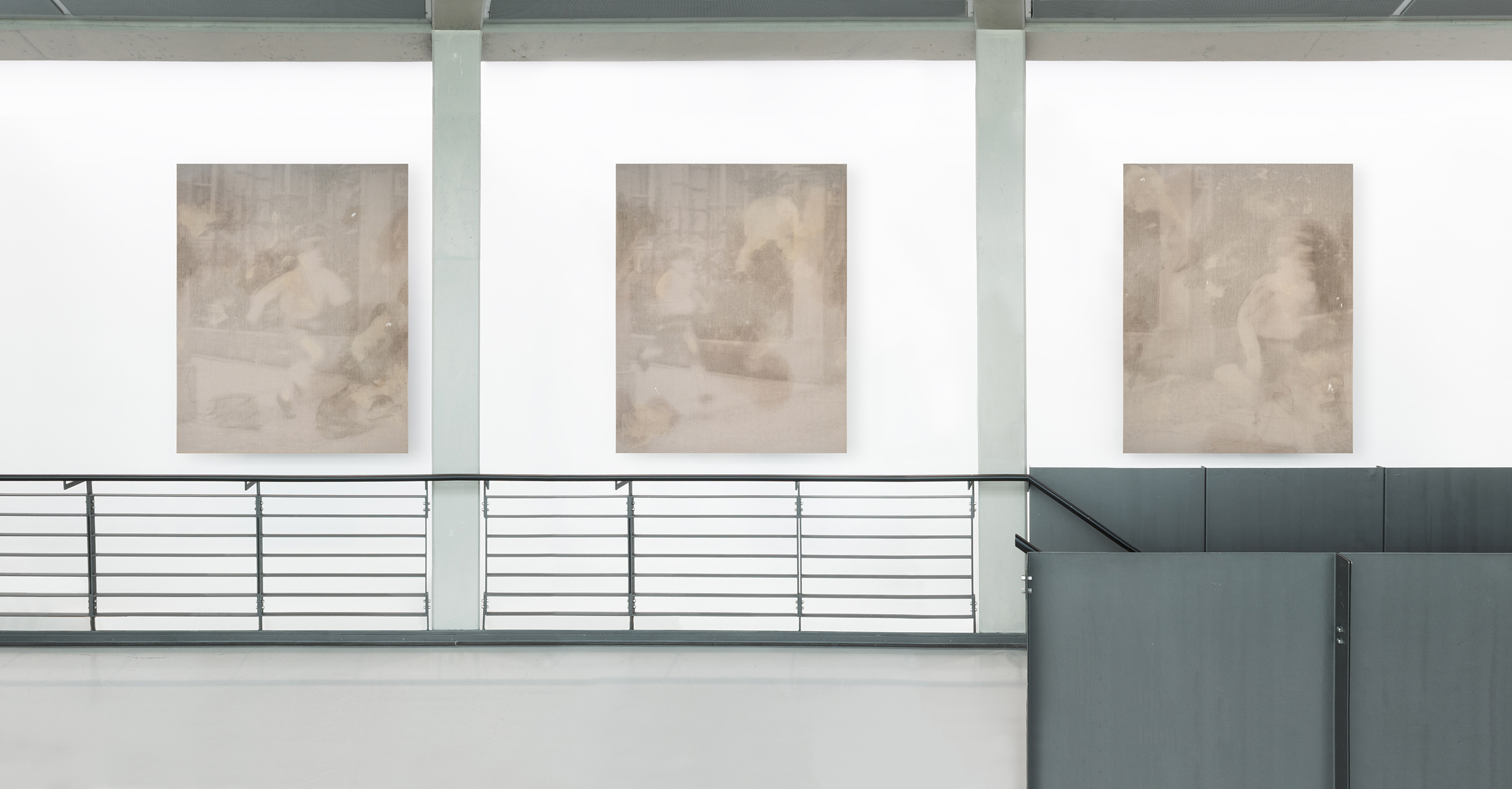
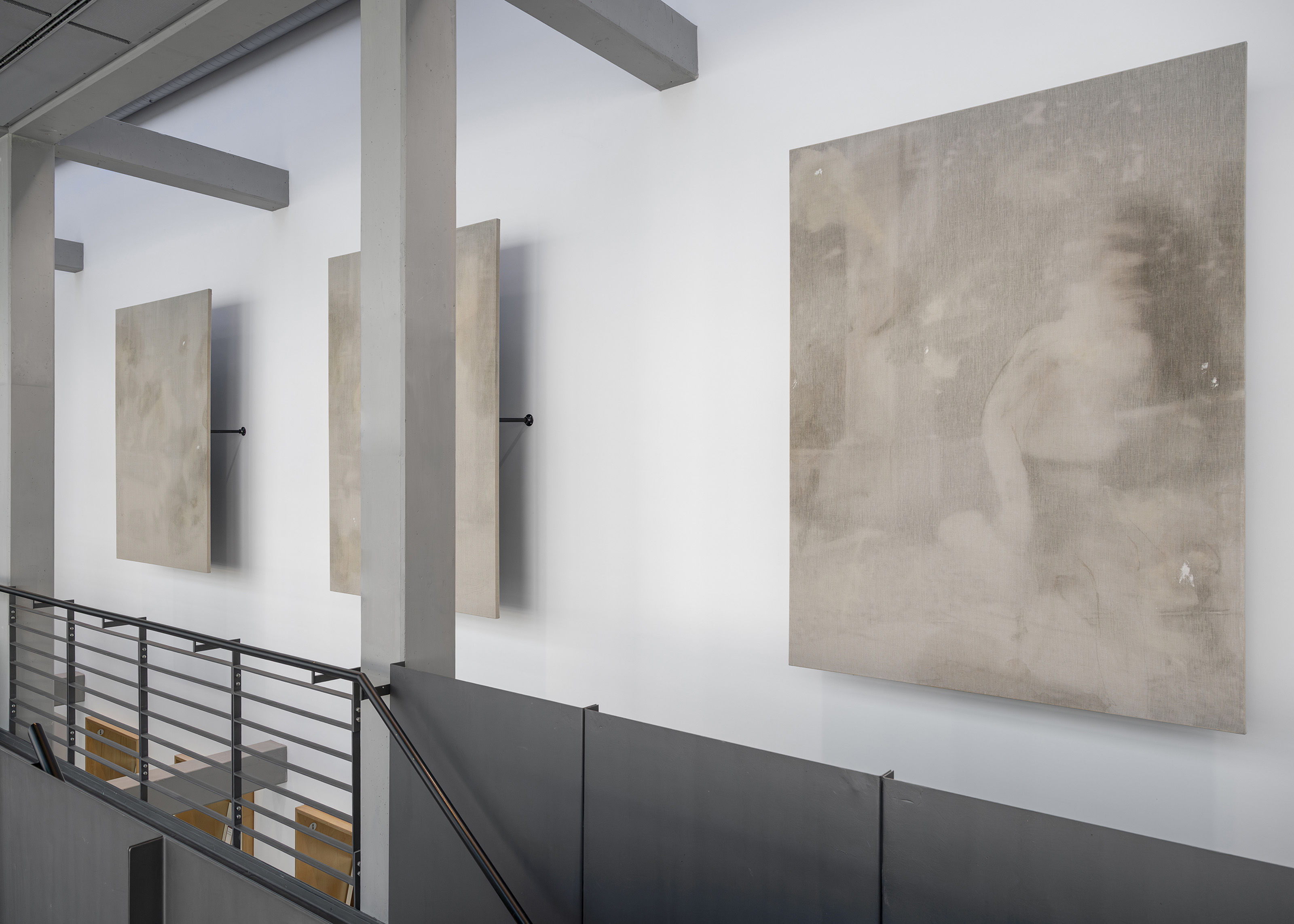
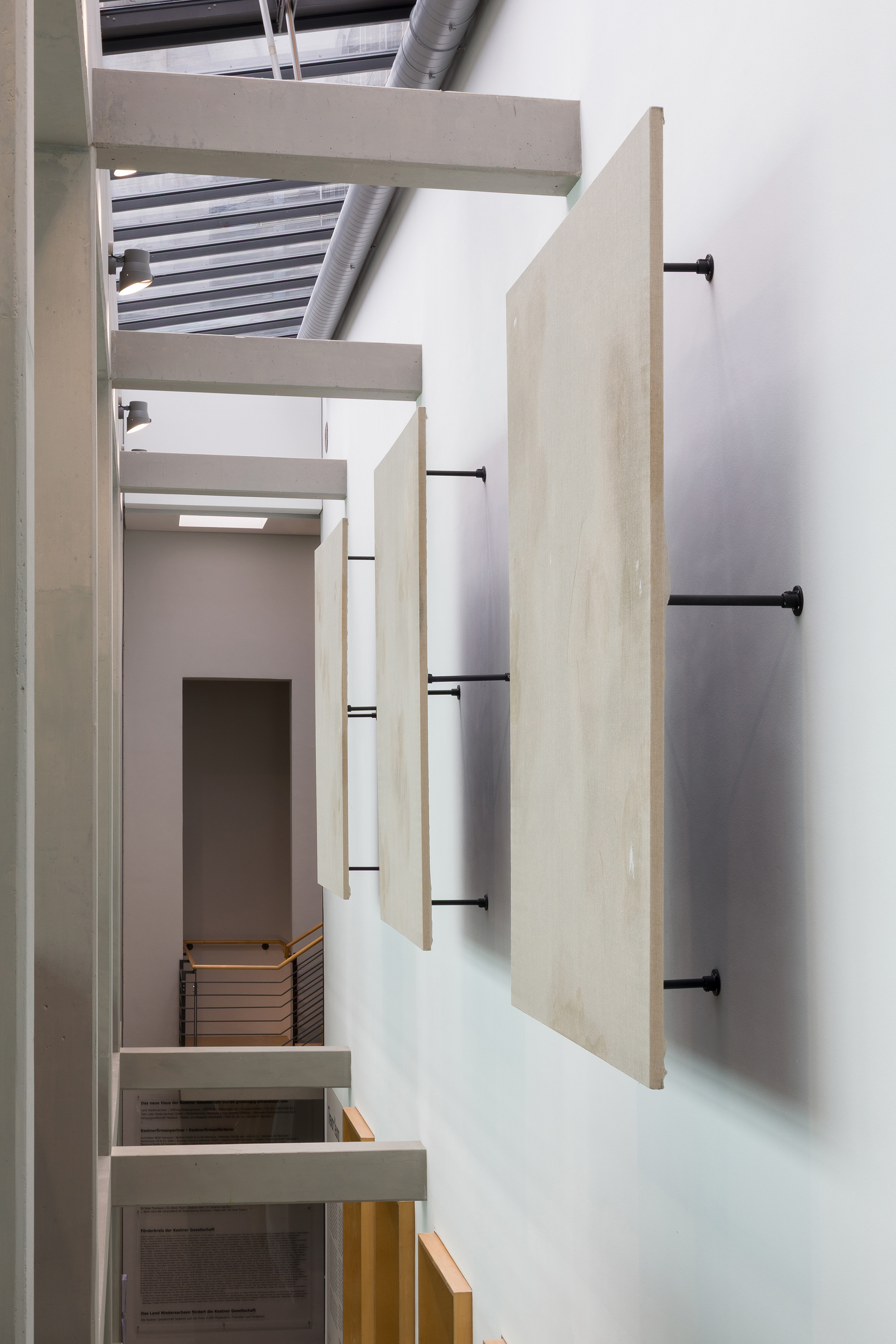
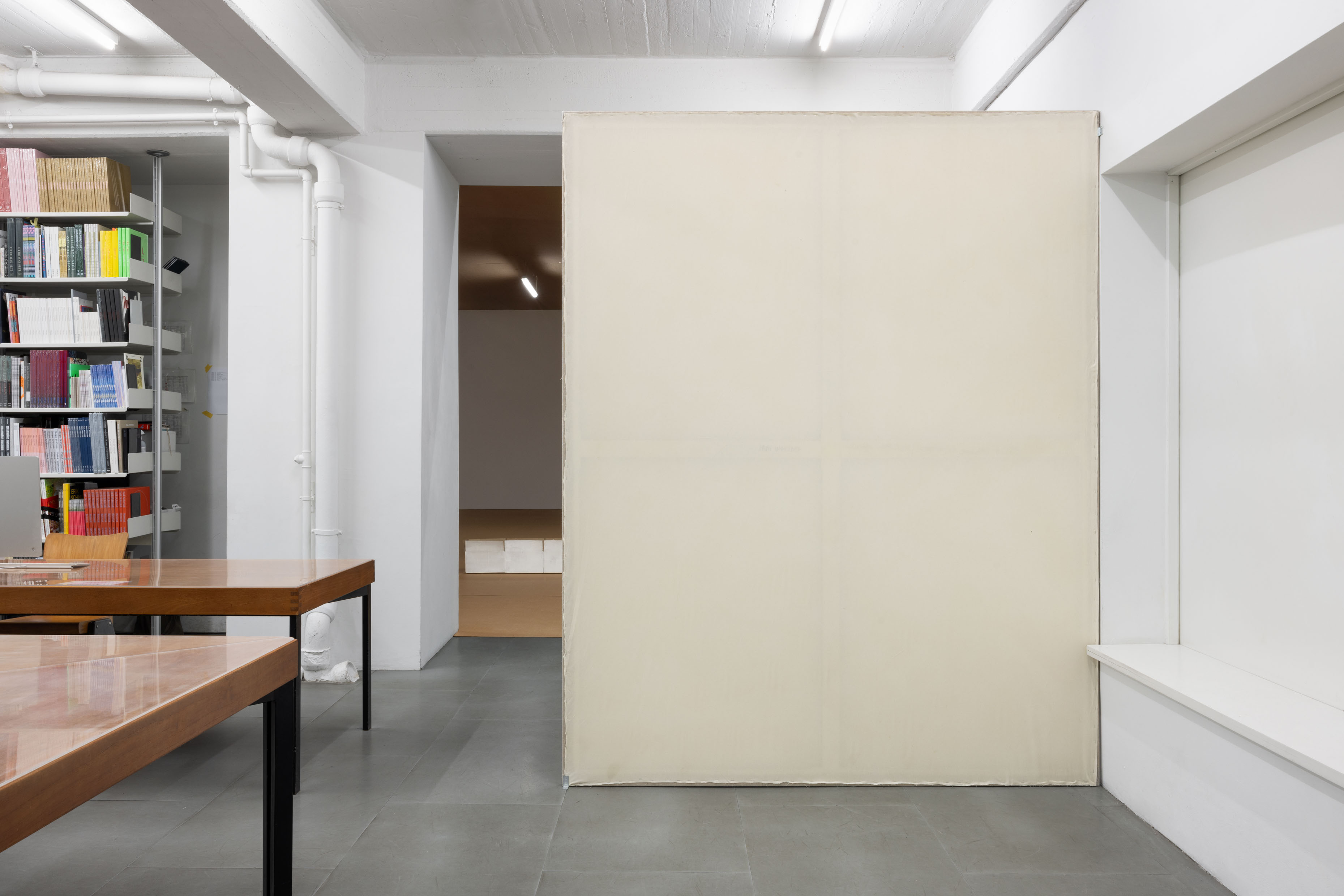
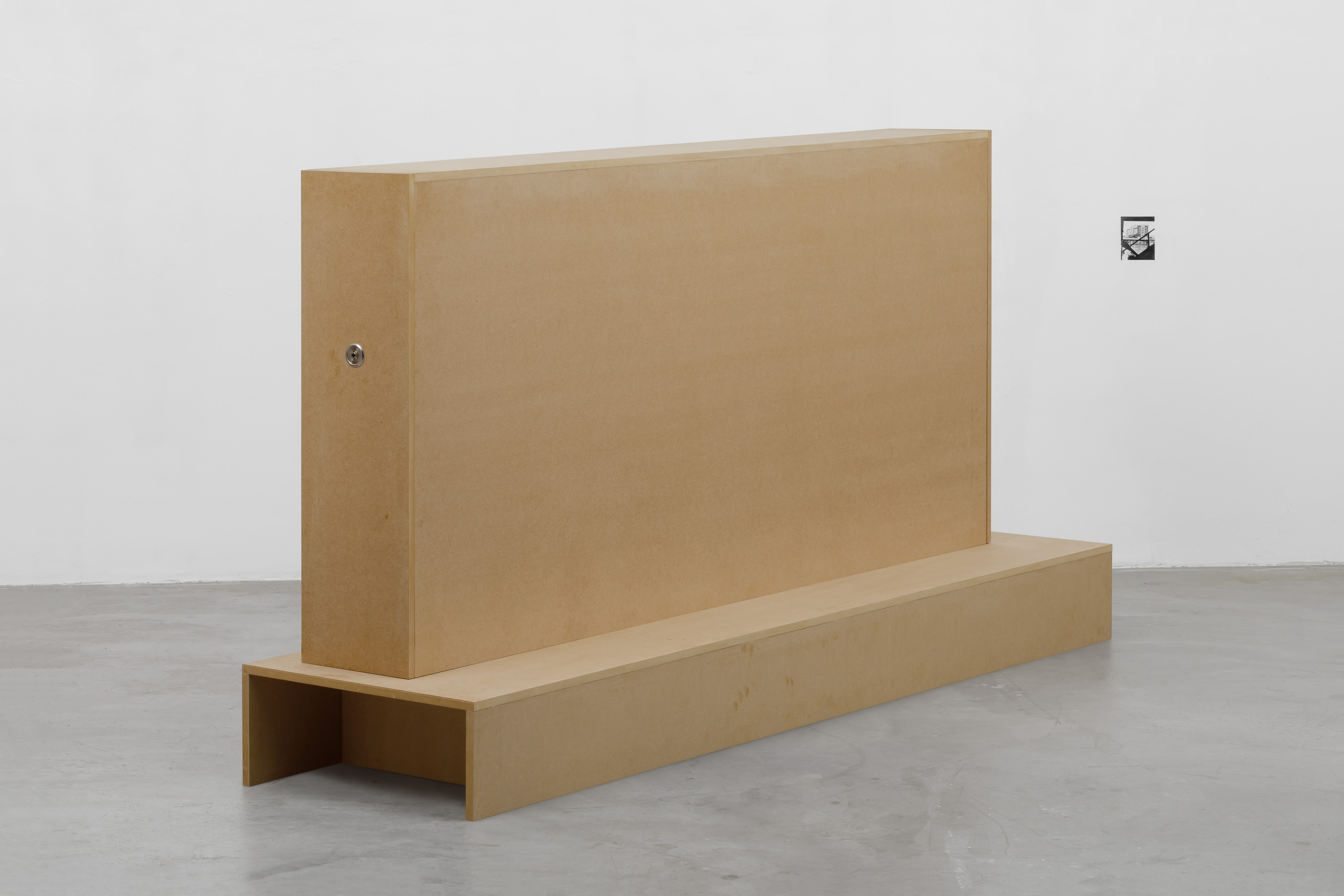
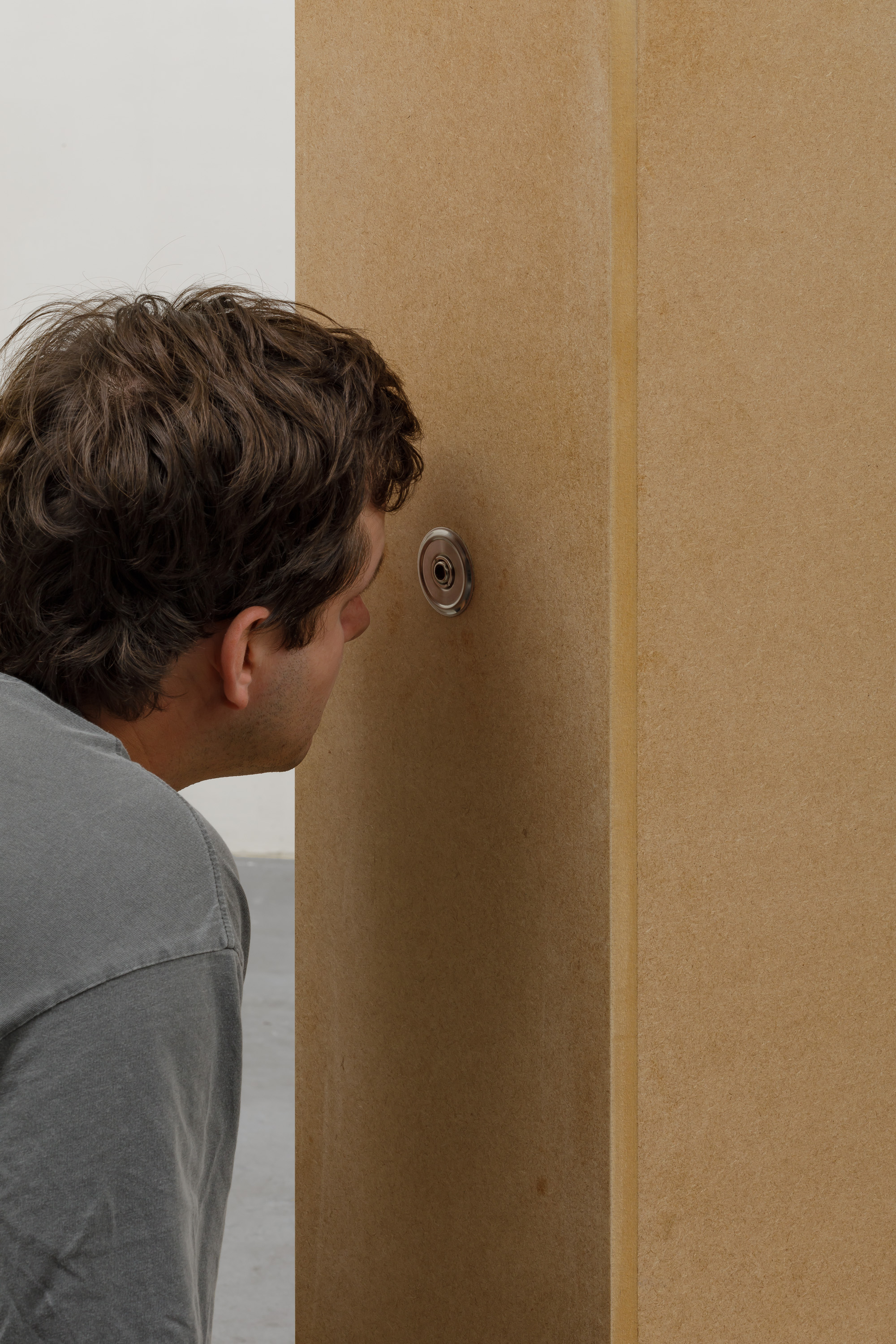
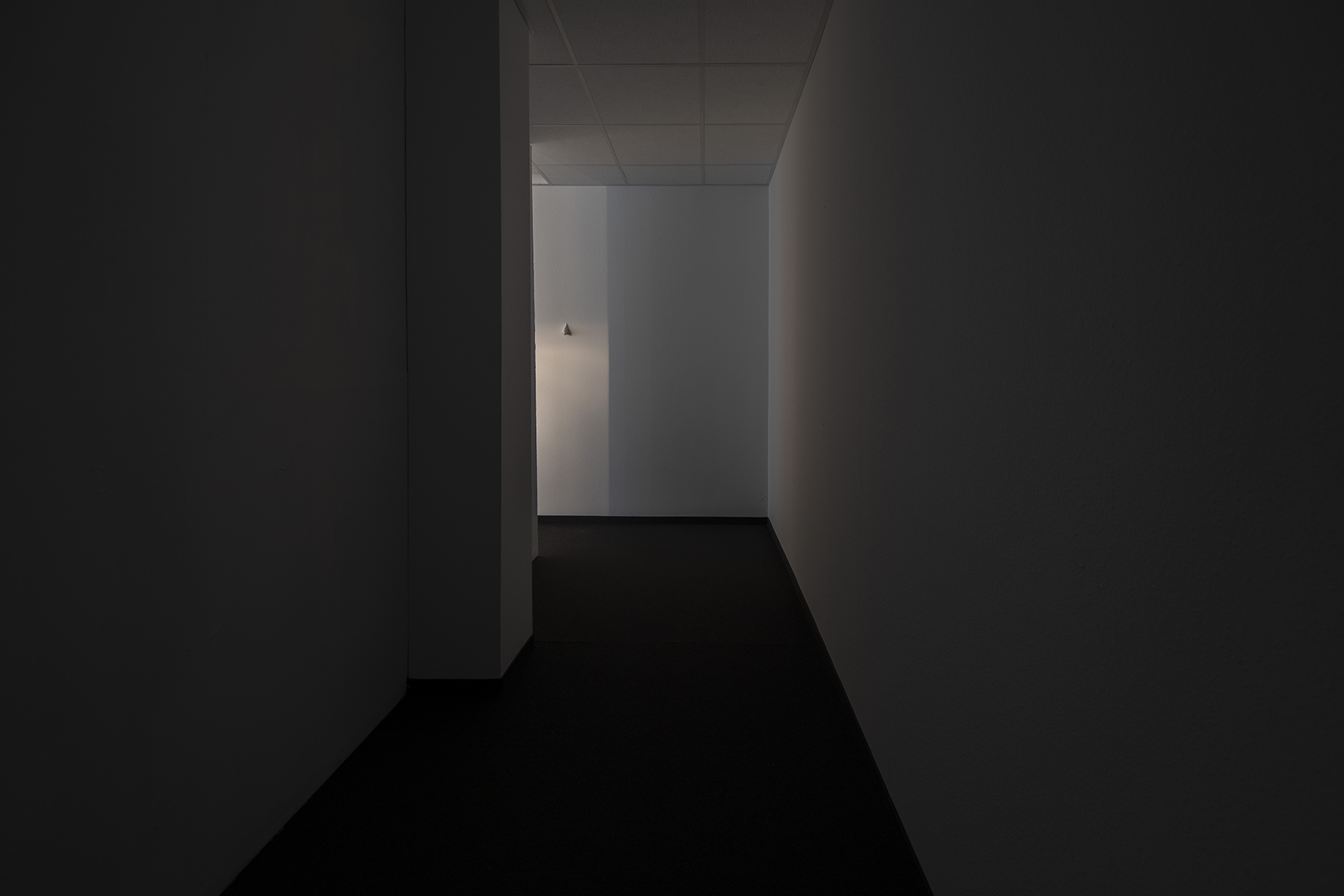
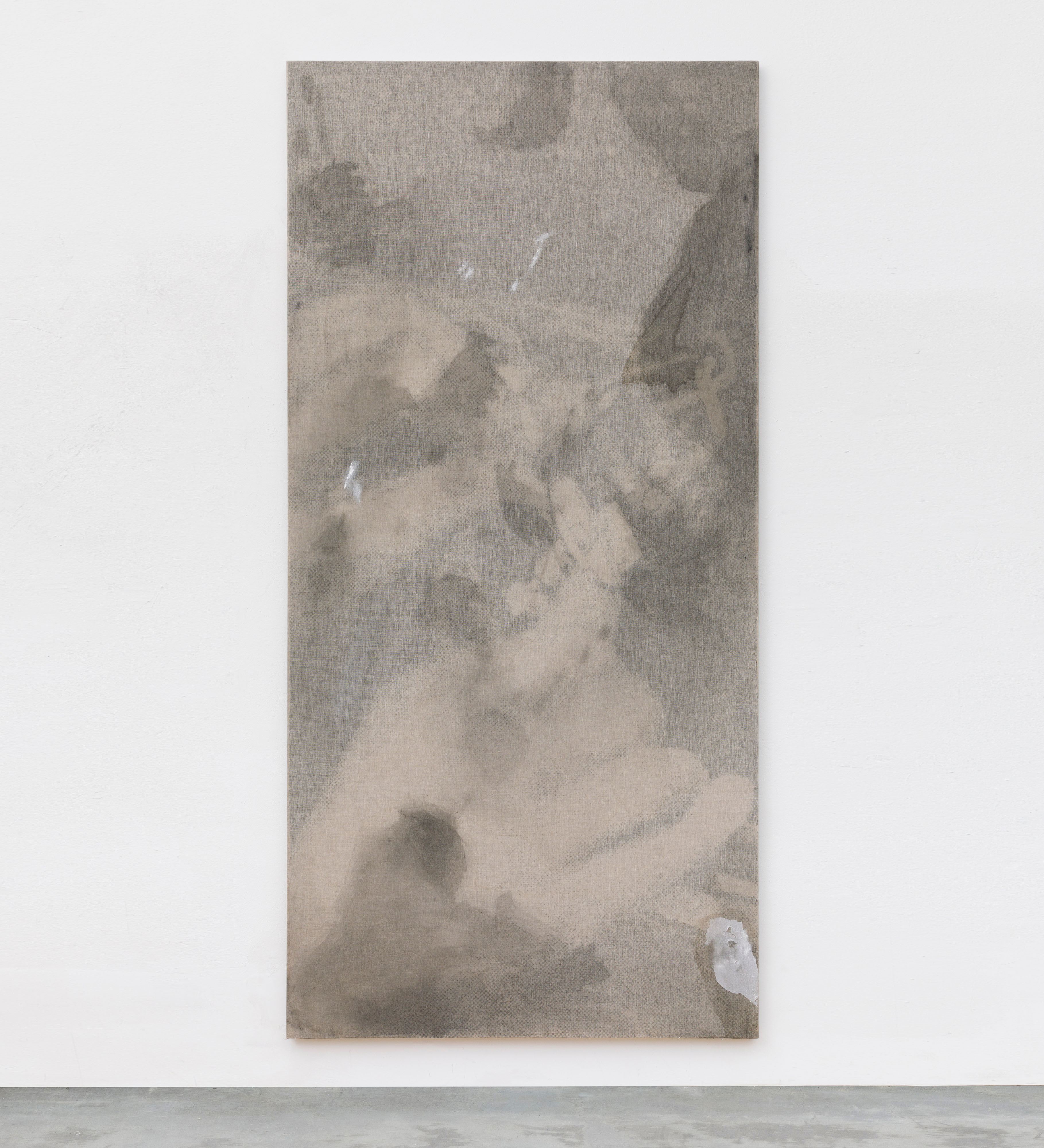
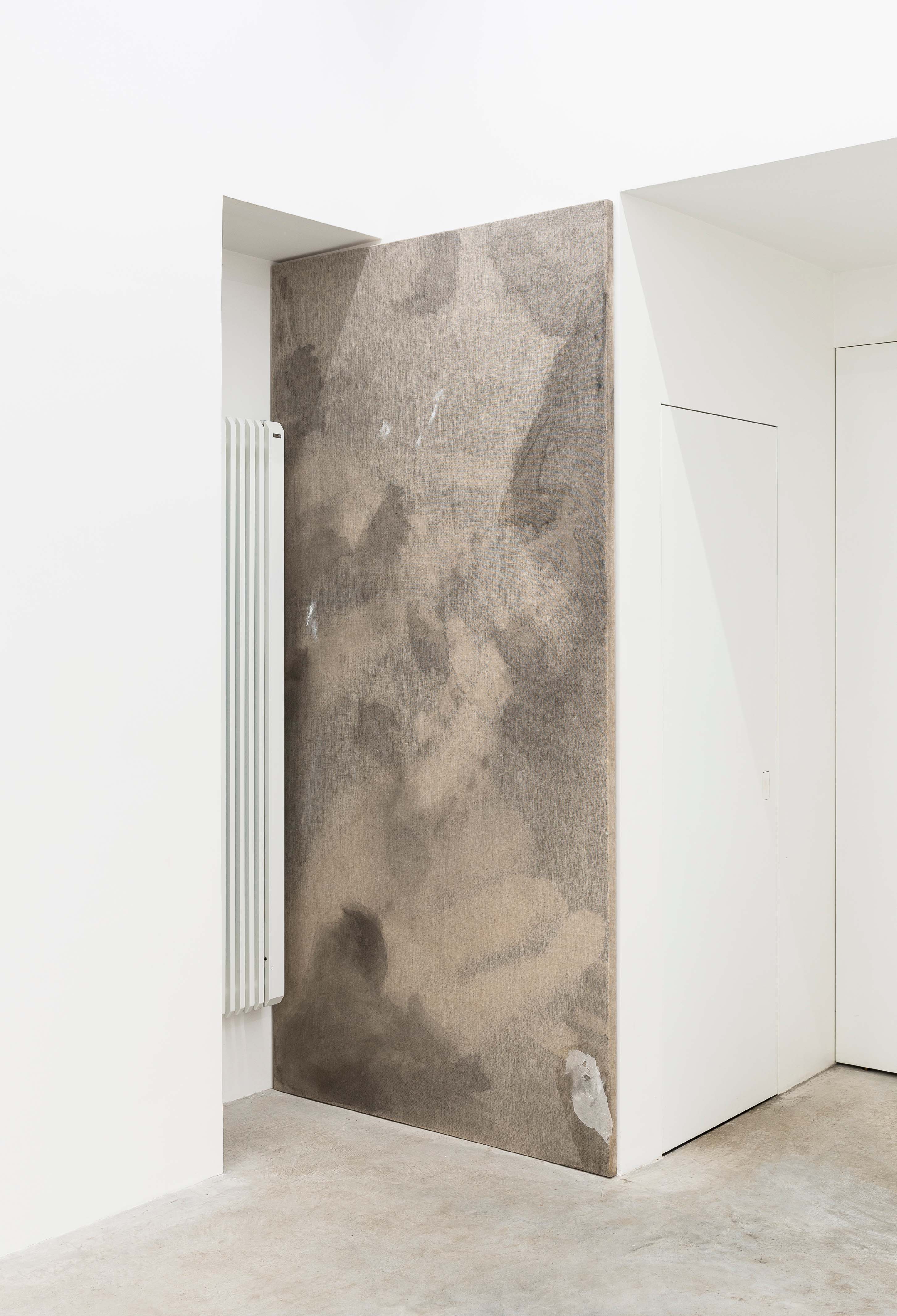
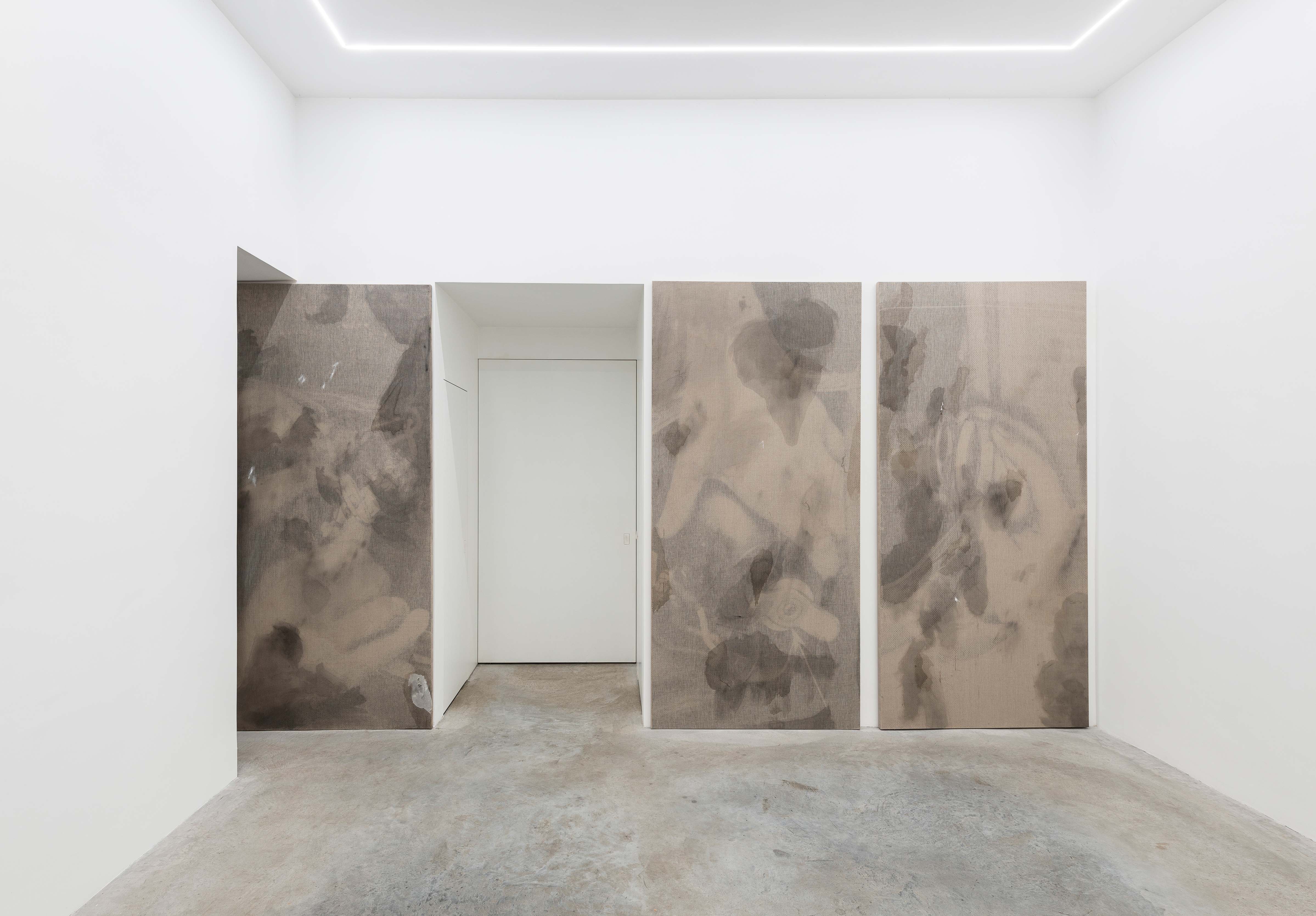
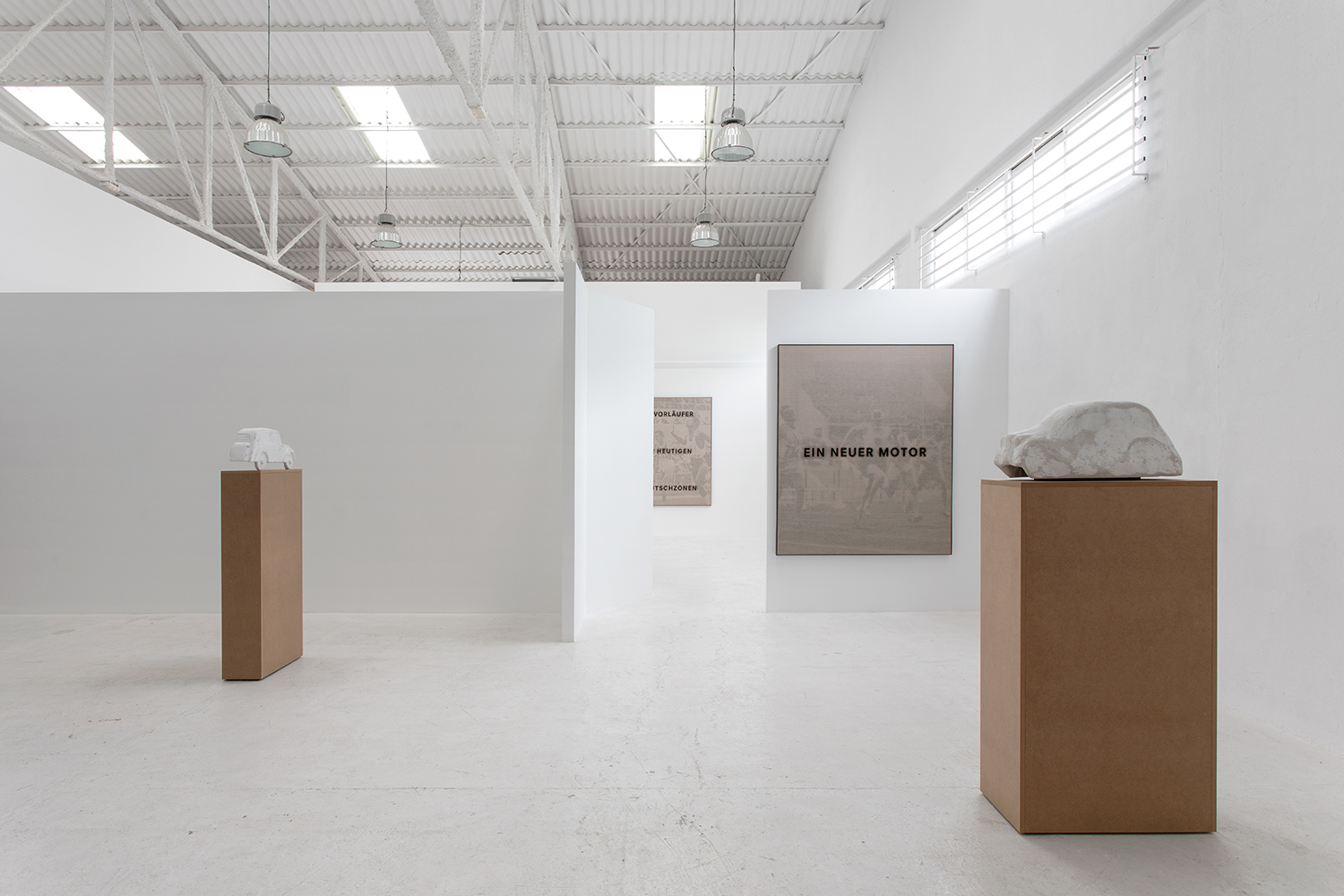
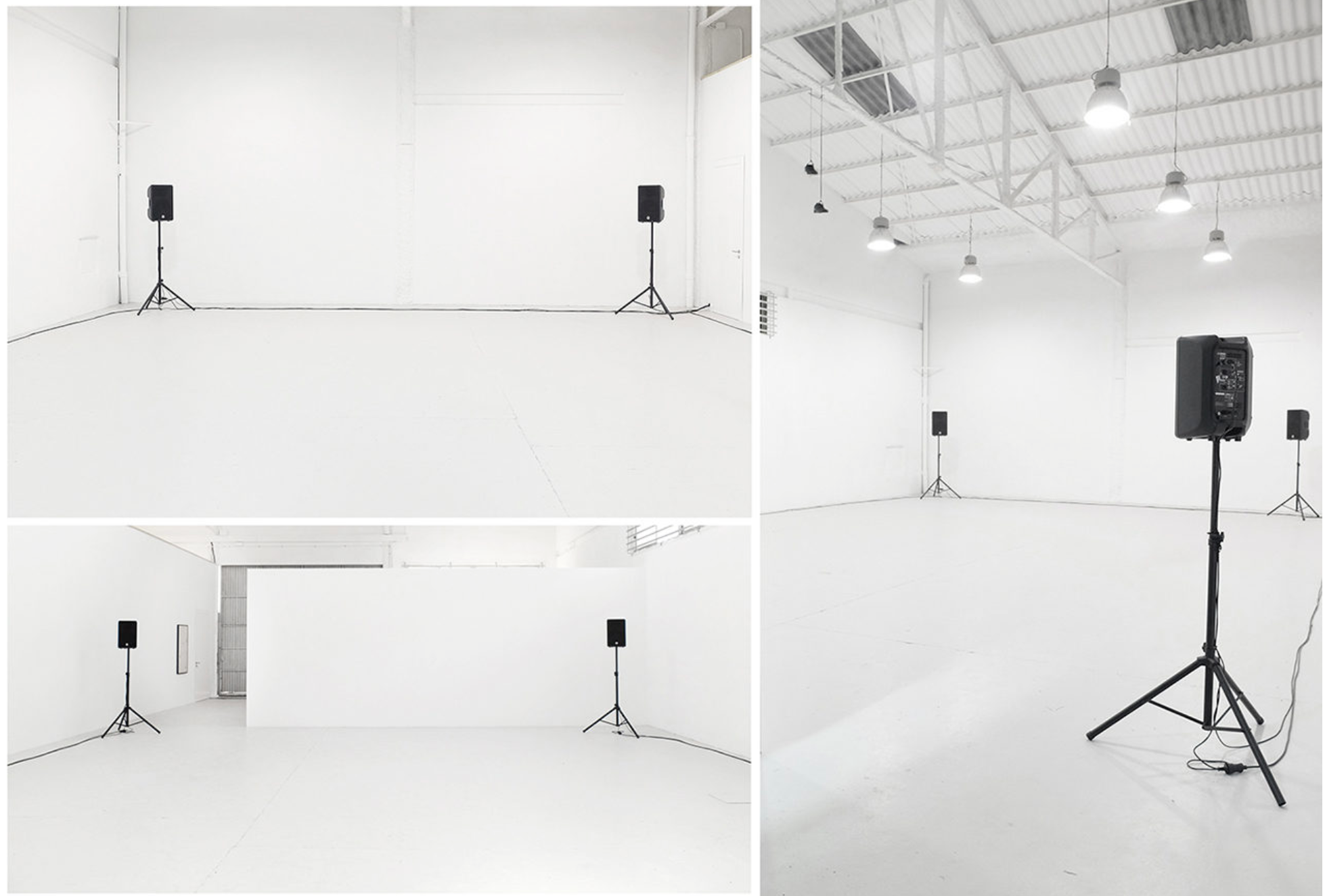
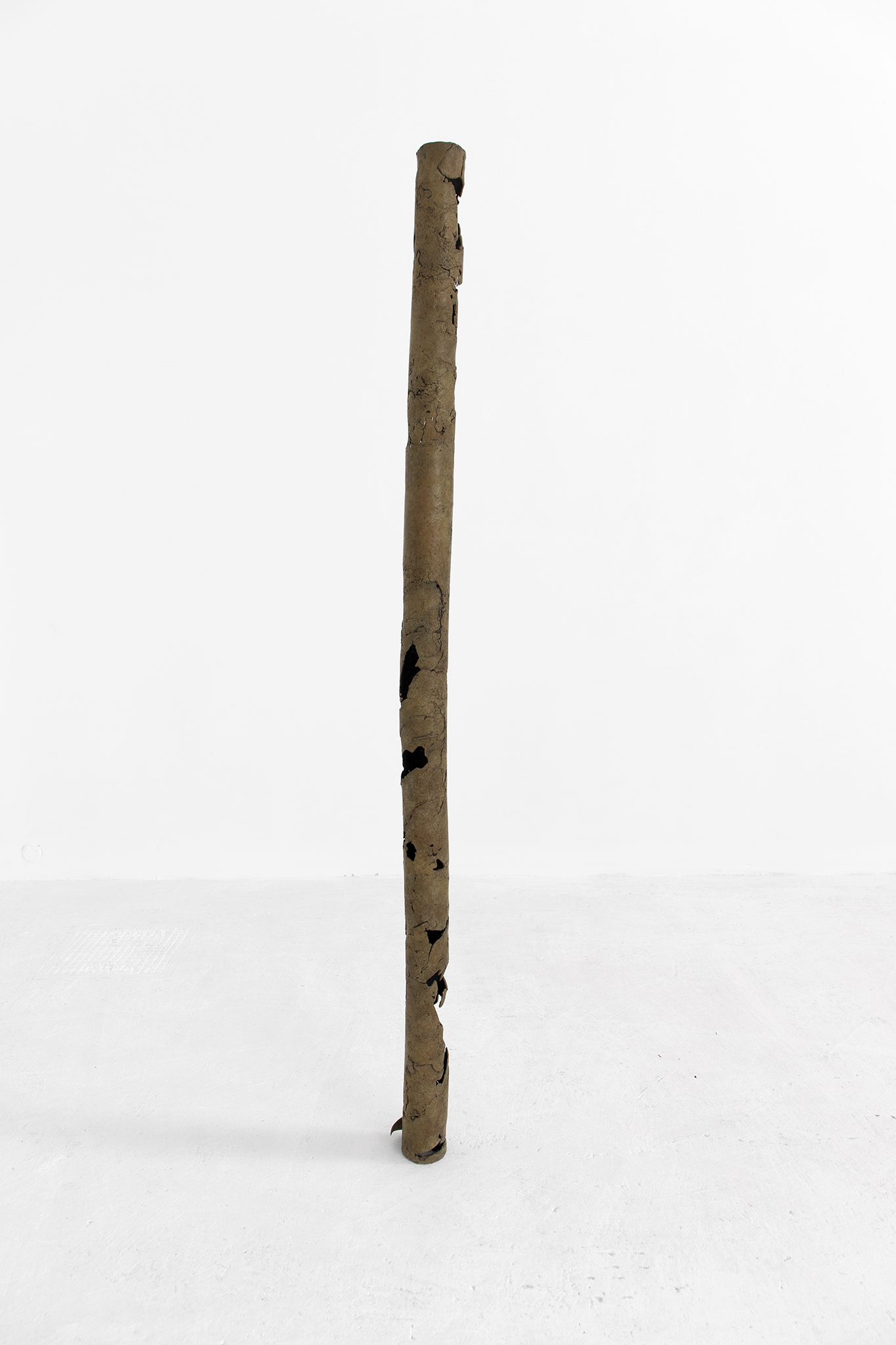
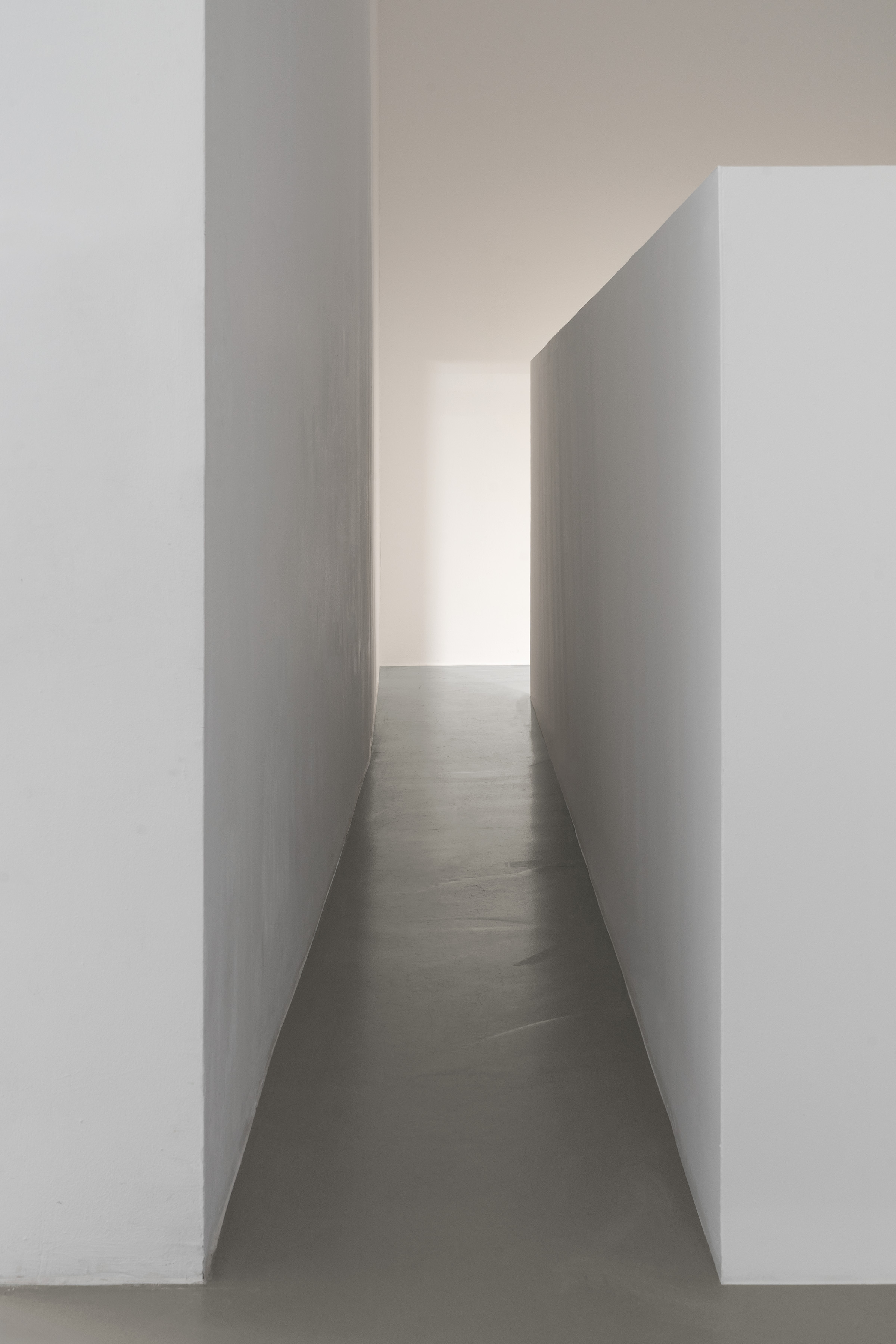
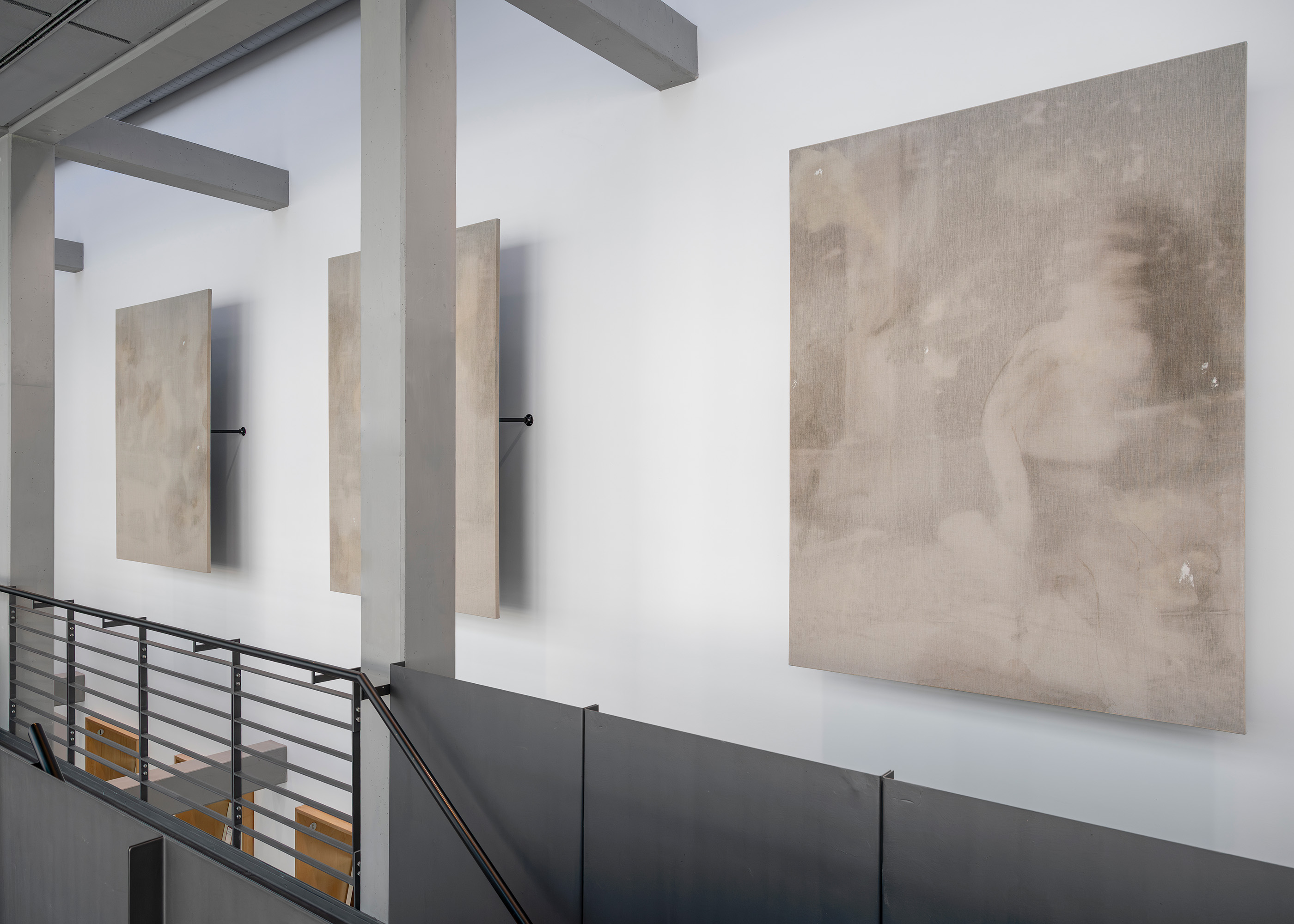
Conceived as a site-responsive environment, this presentation is centered on three large-scale works first encountered from behind. Together, they form a dividing wall and makeshift corridor bisecting the space, a passage that acts much like an insert in a book, a separate, partial layer interrupting the whole.
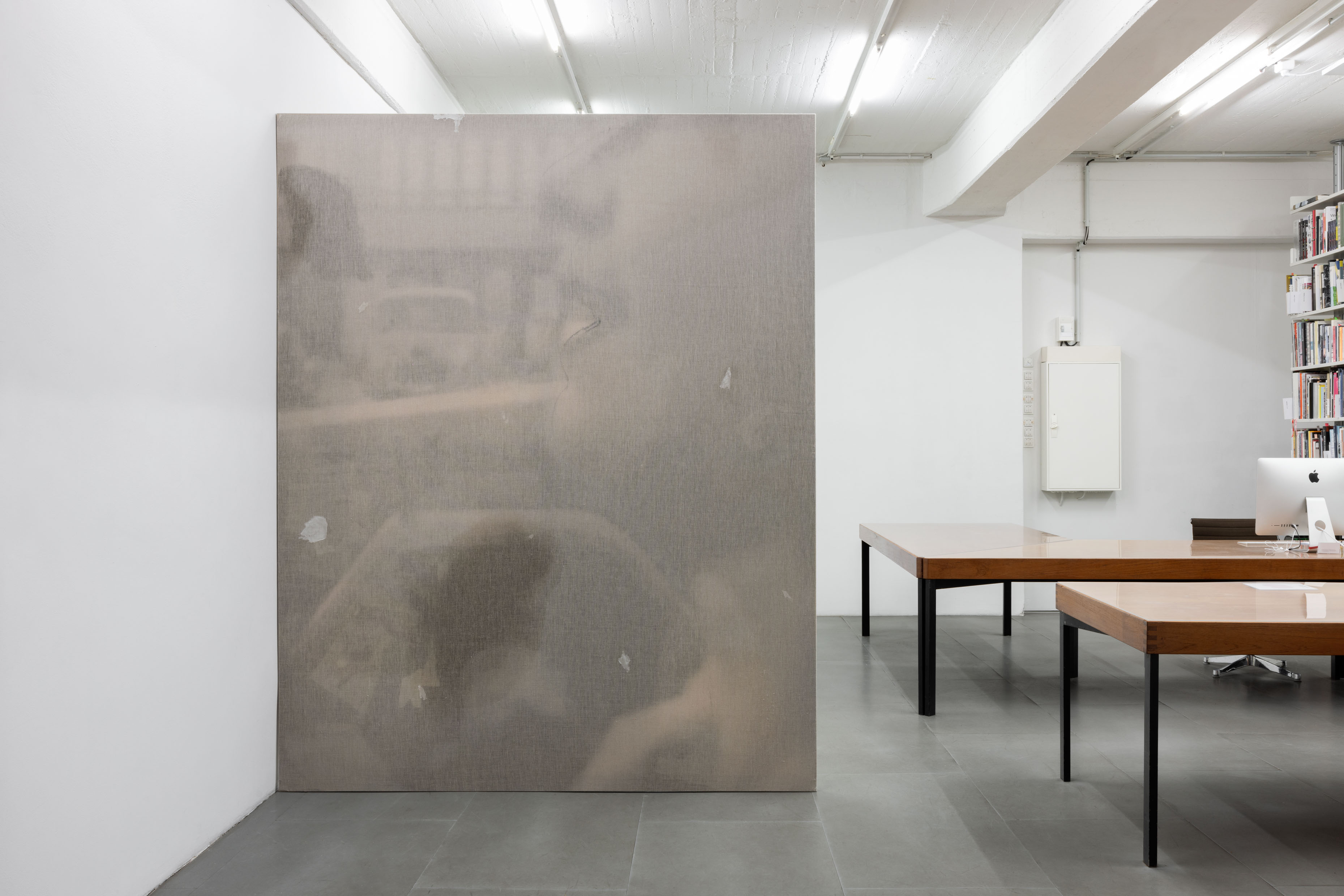
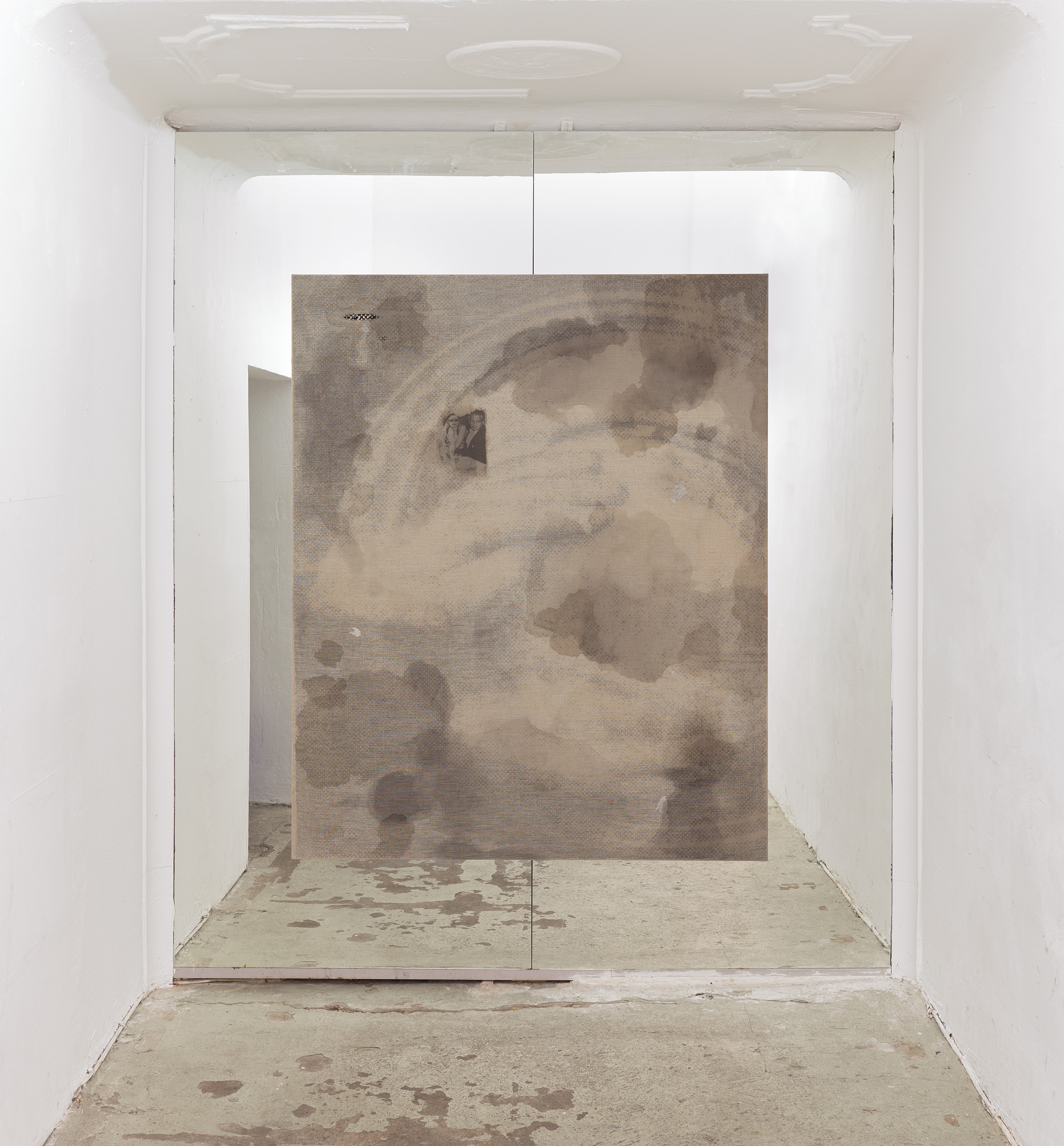
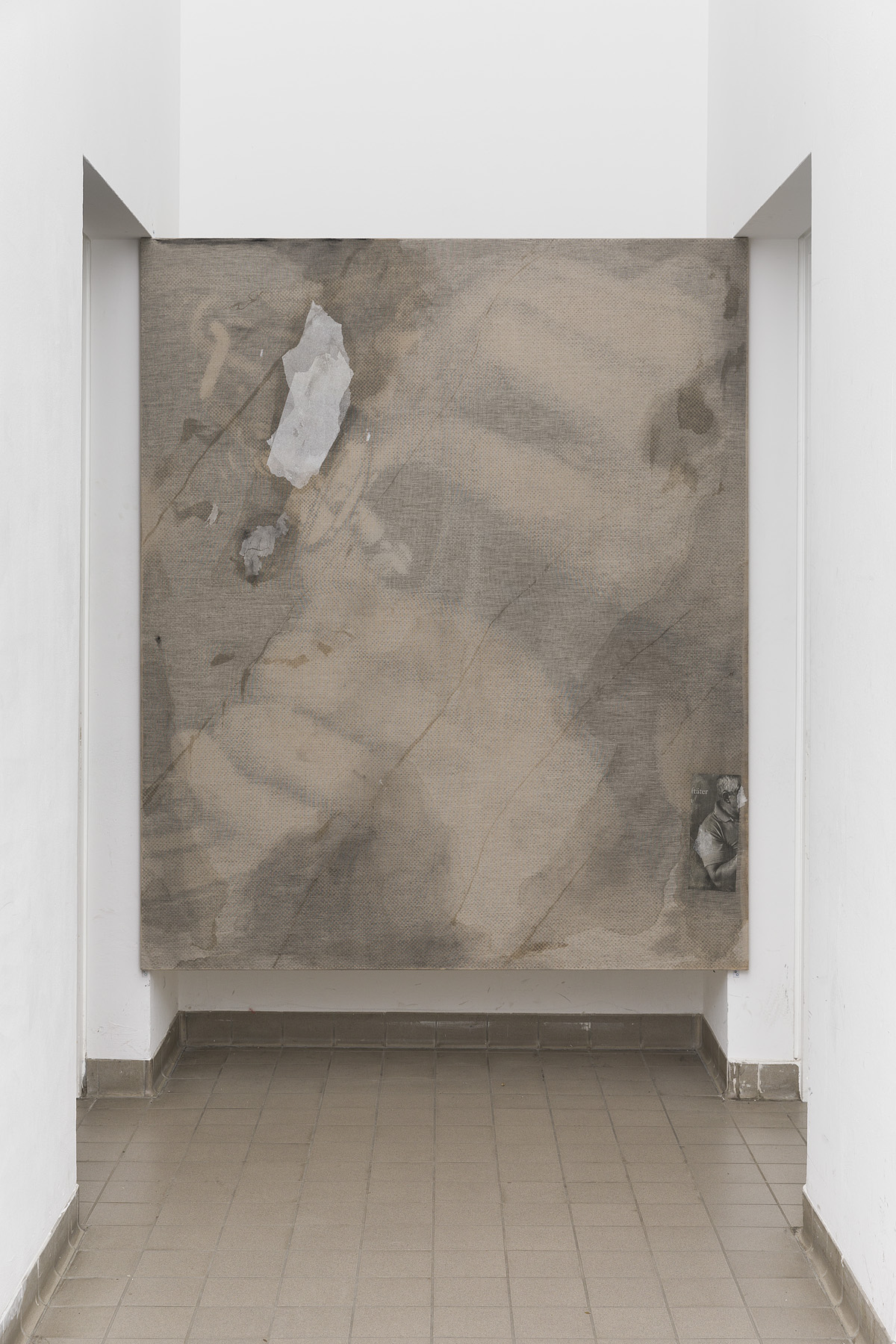
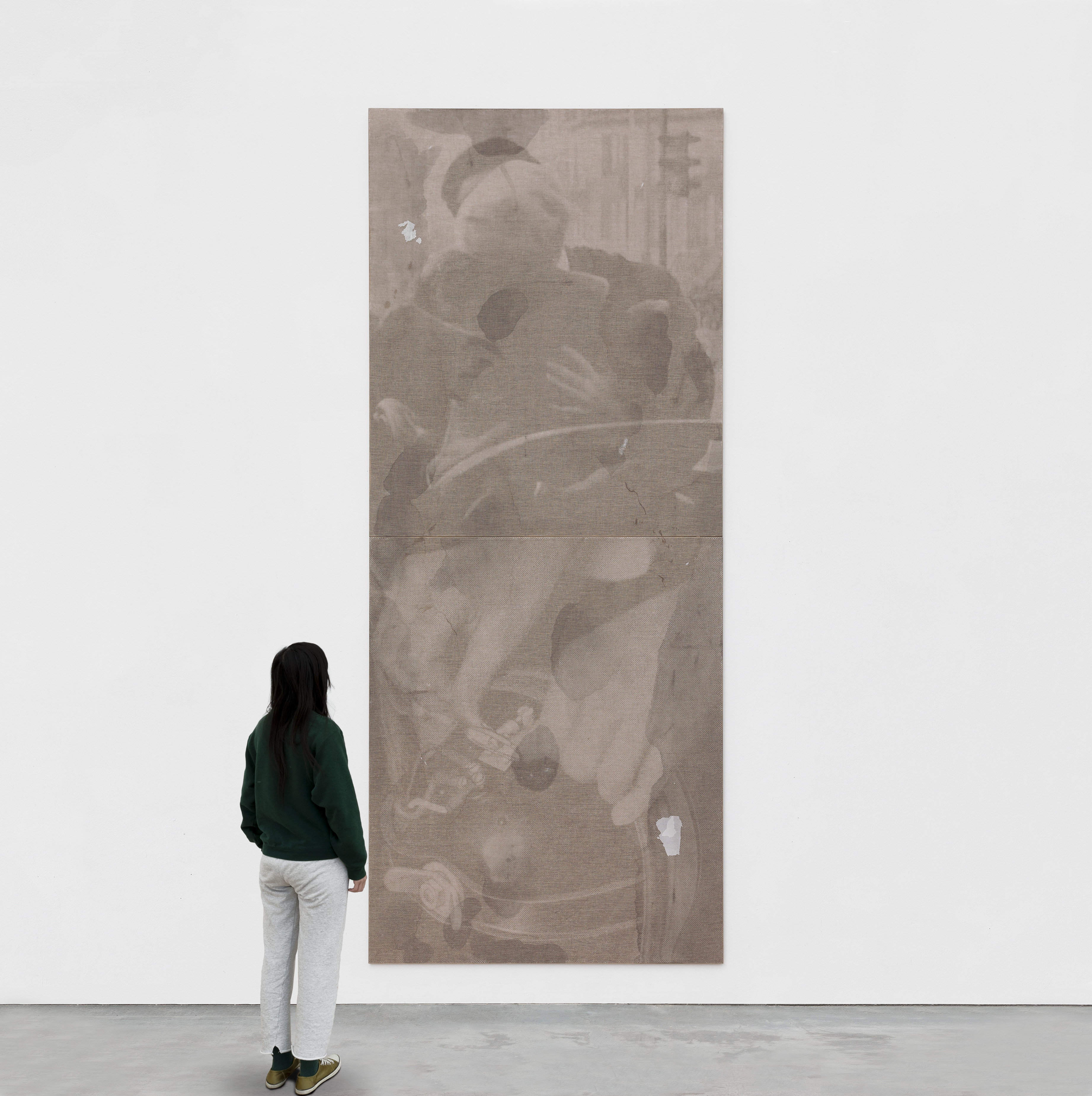
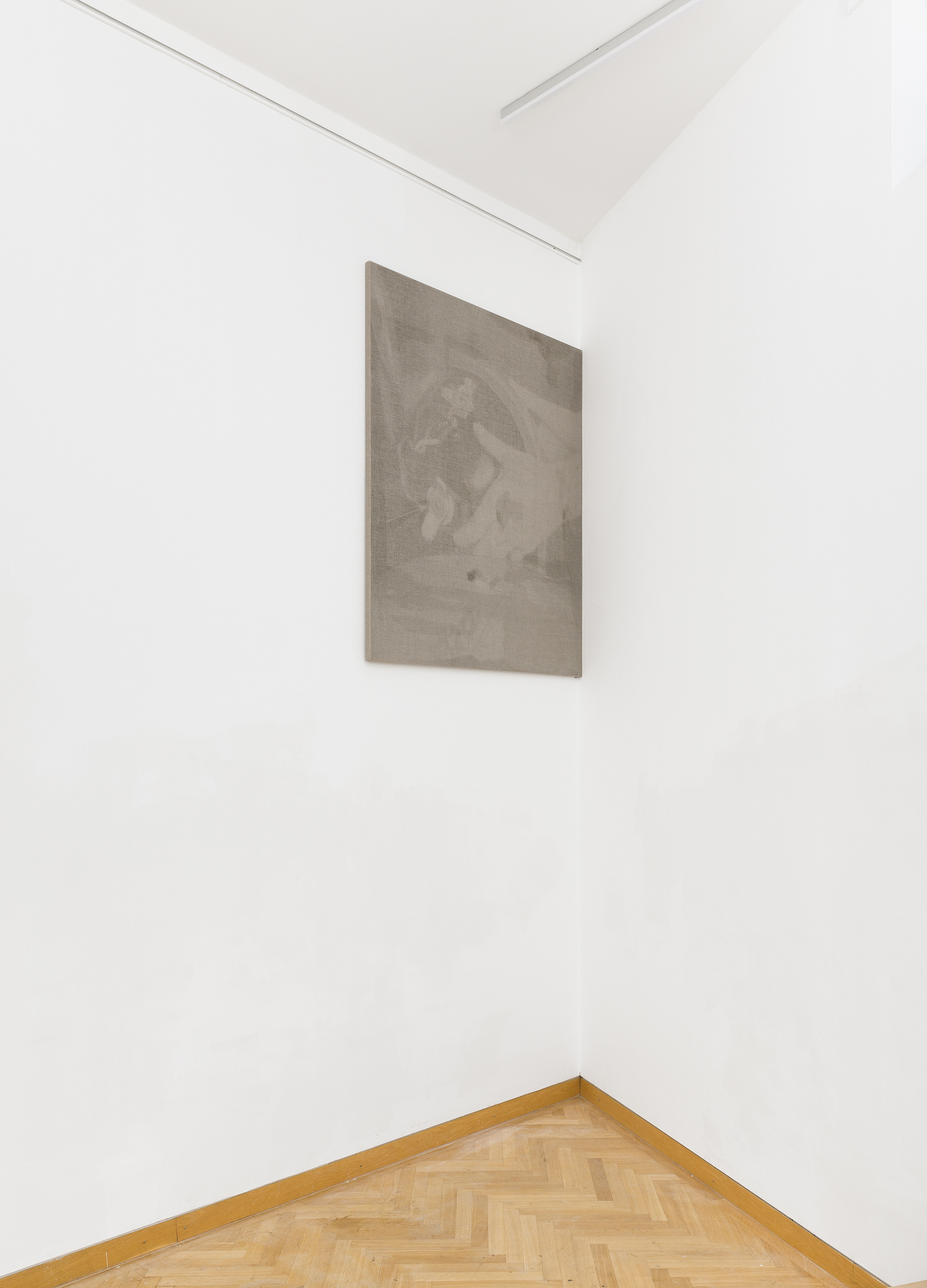
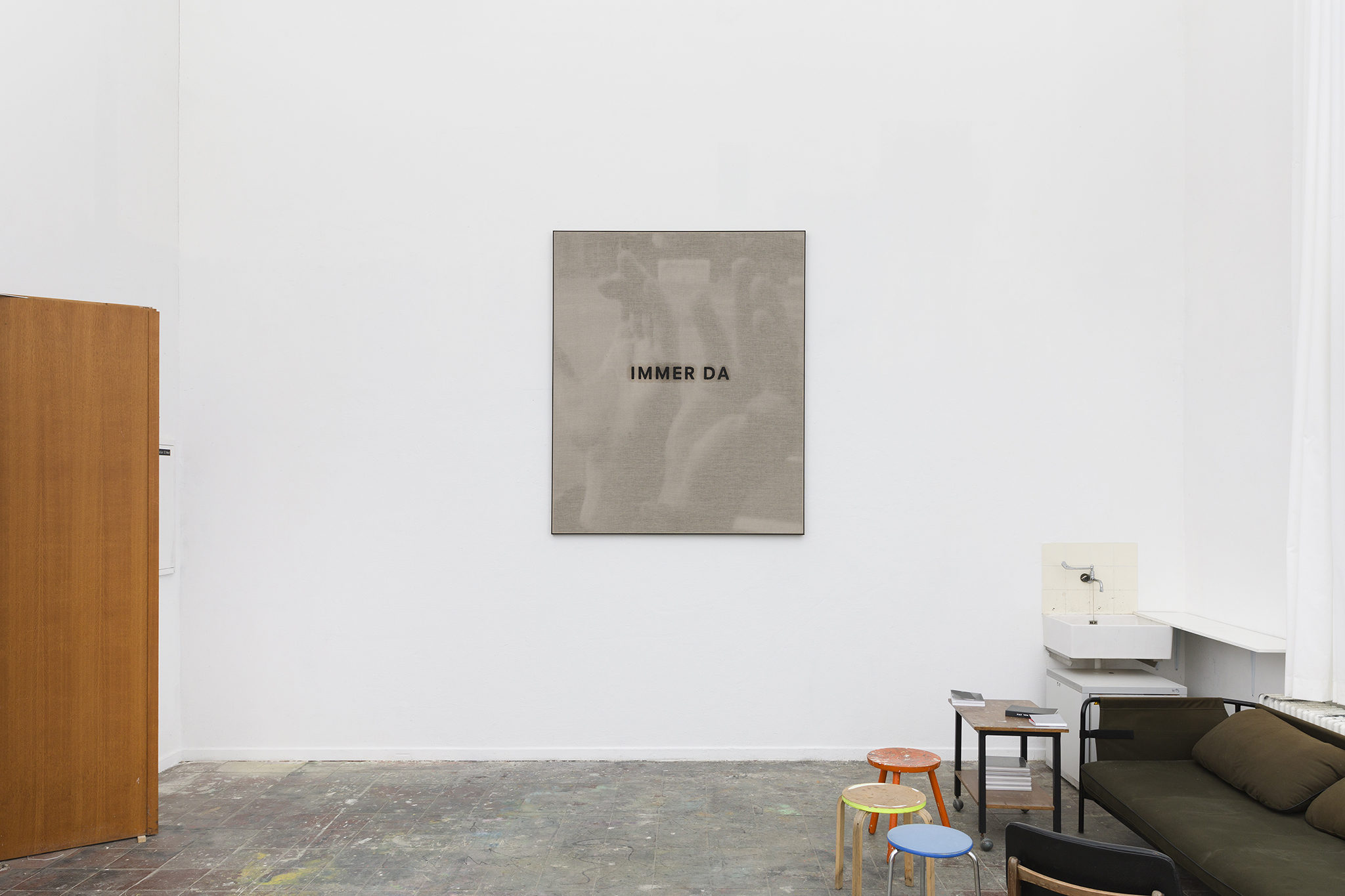
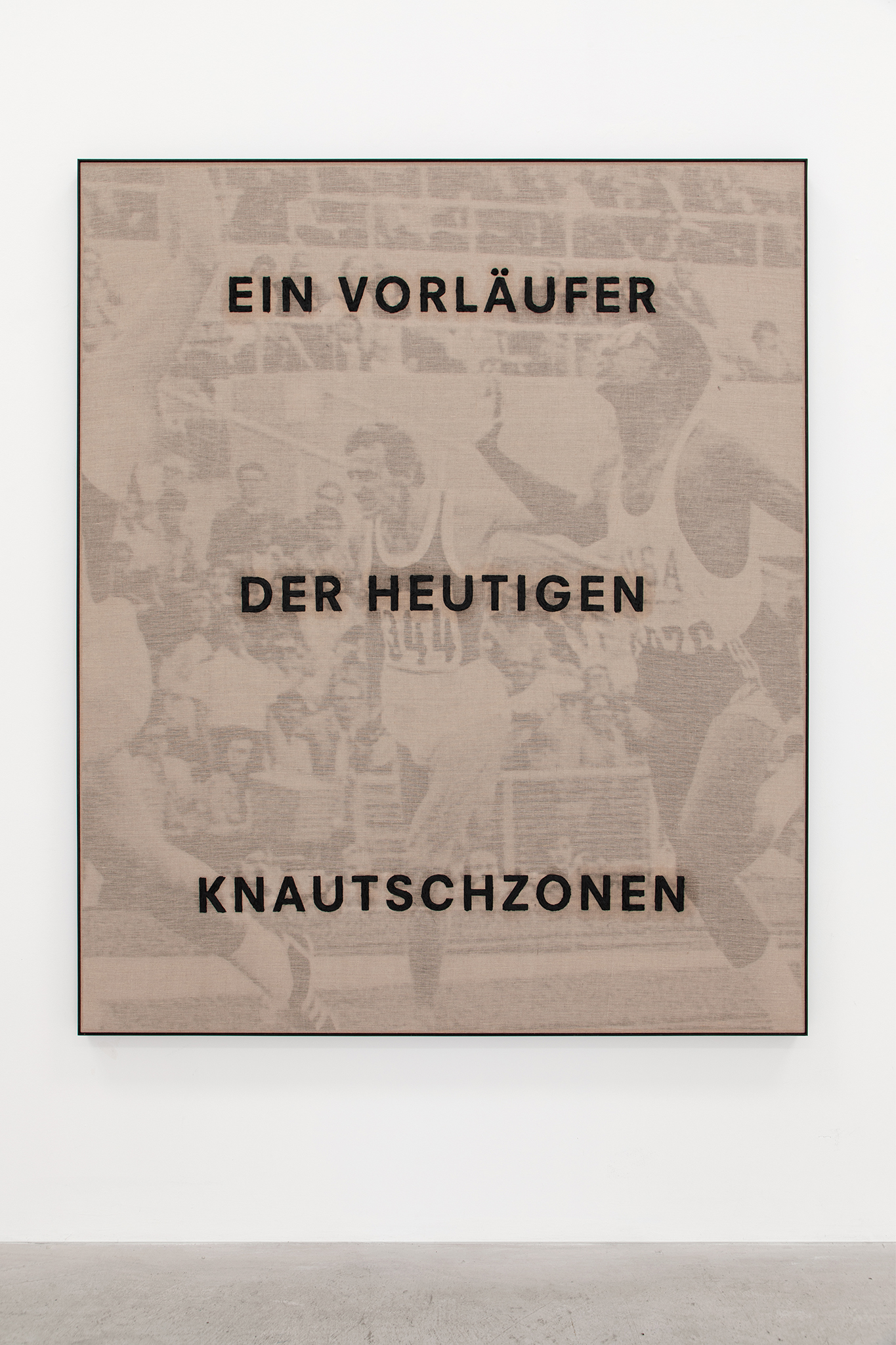
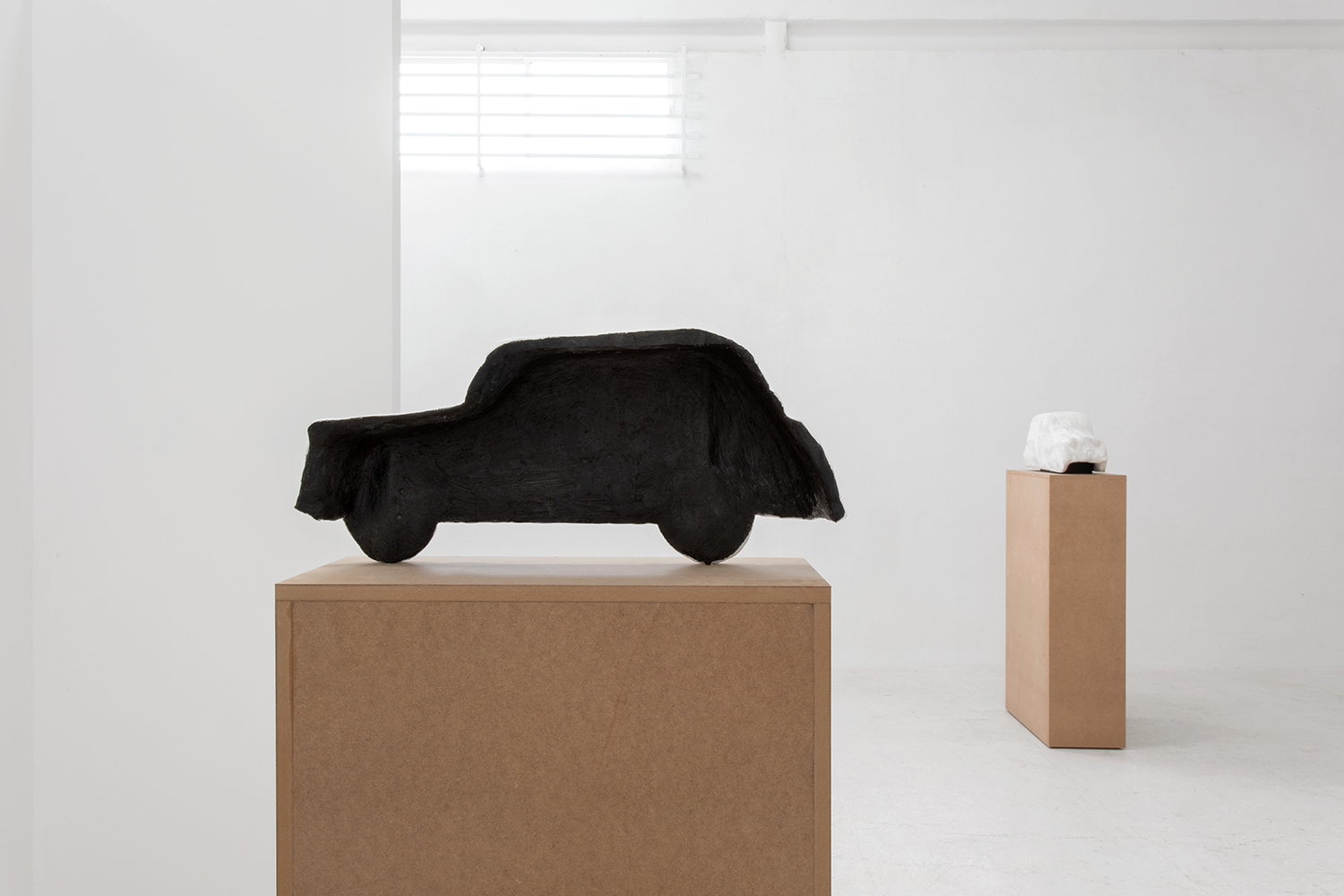
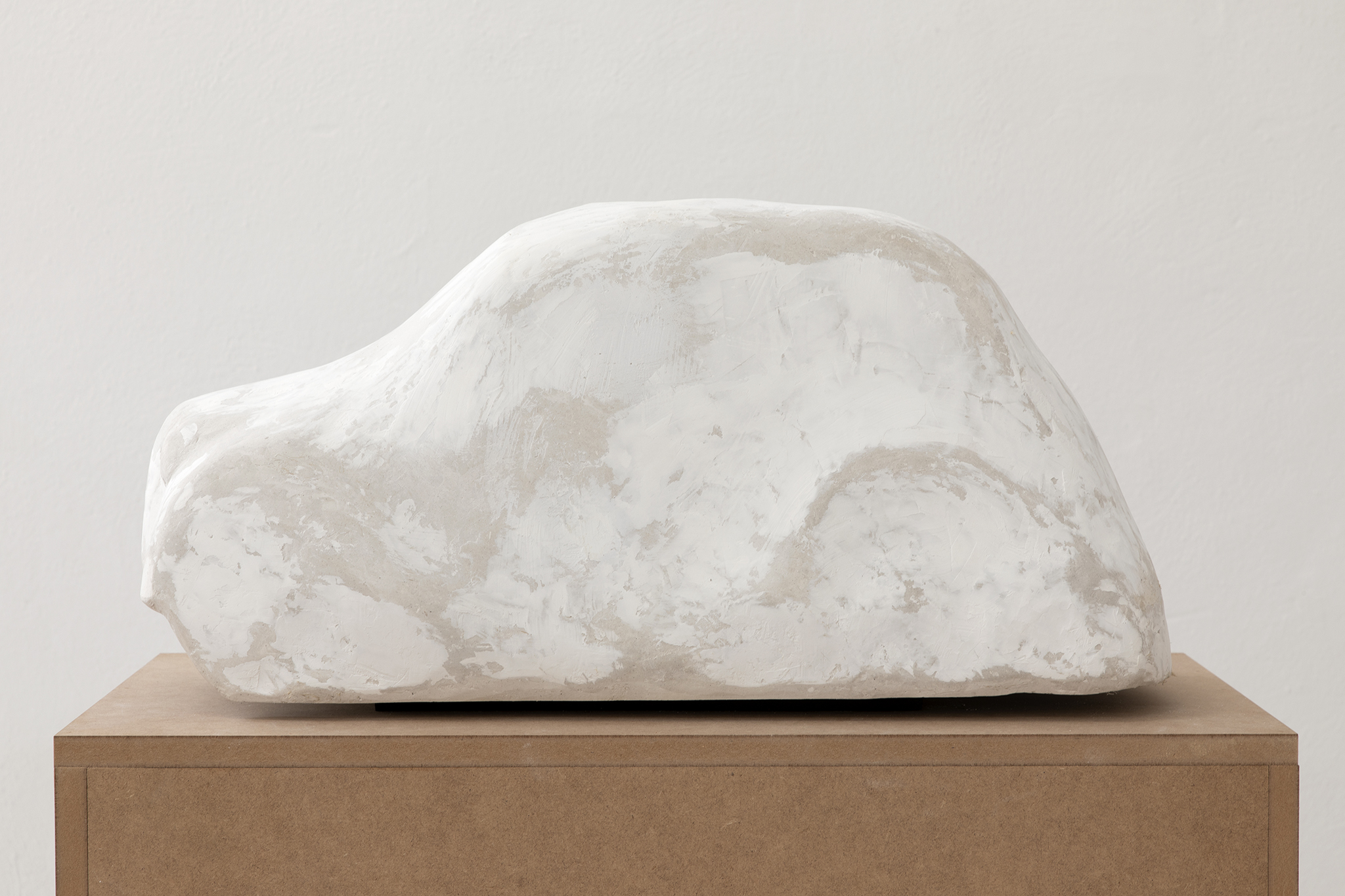
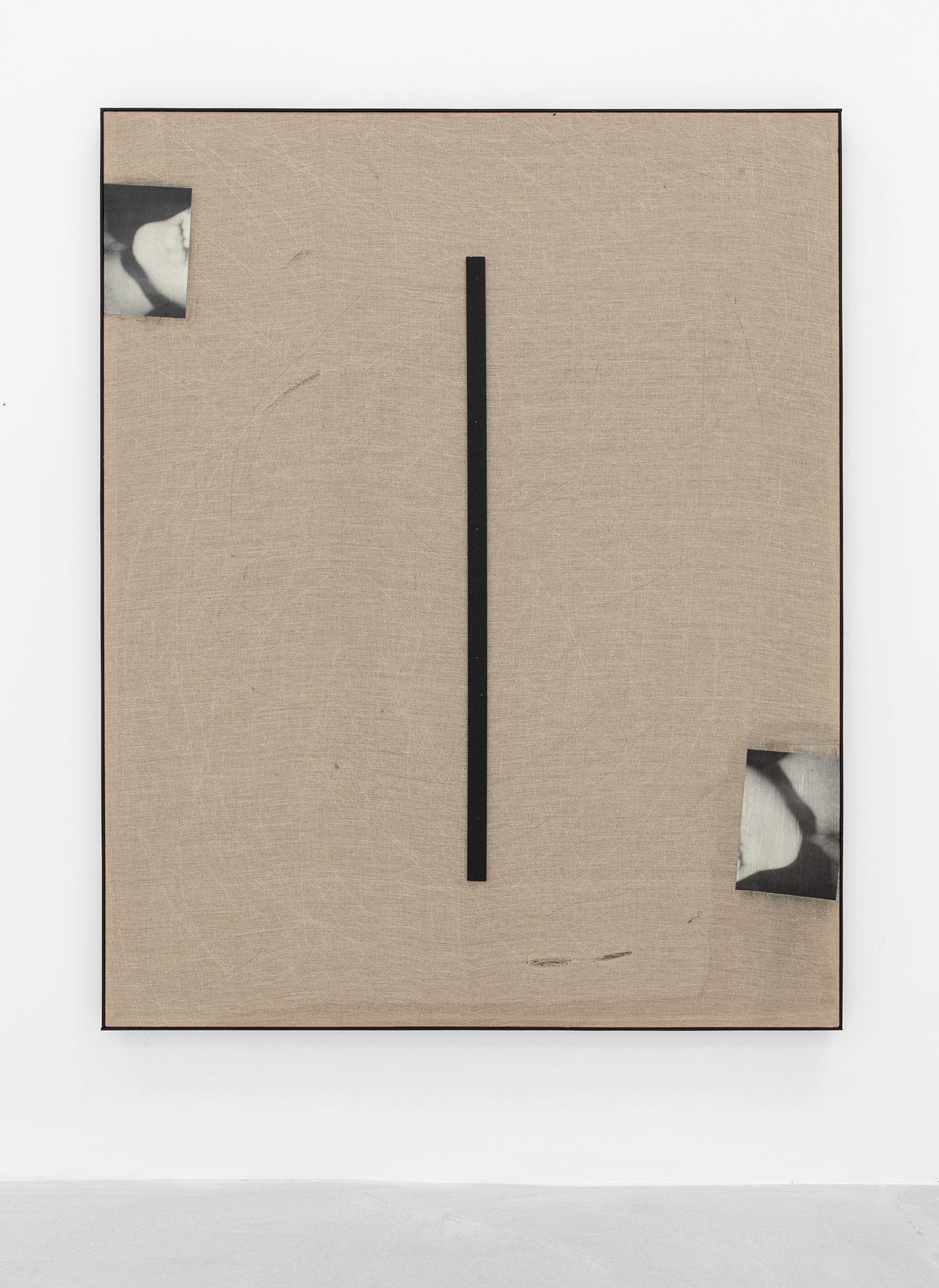
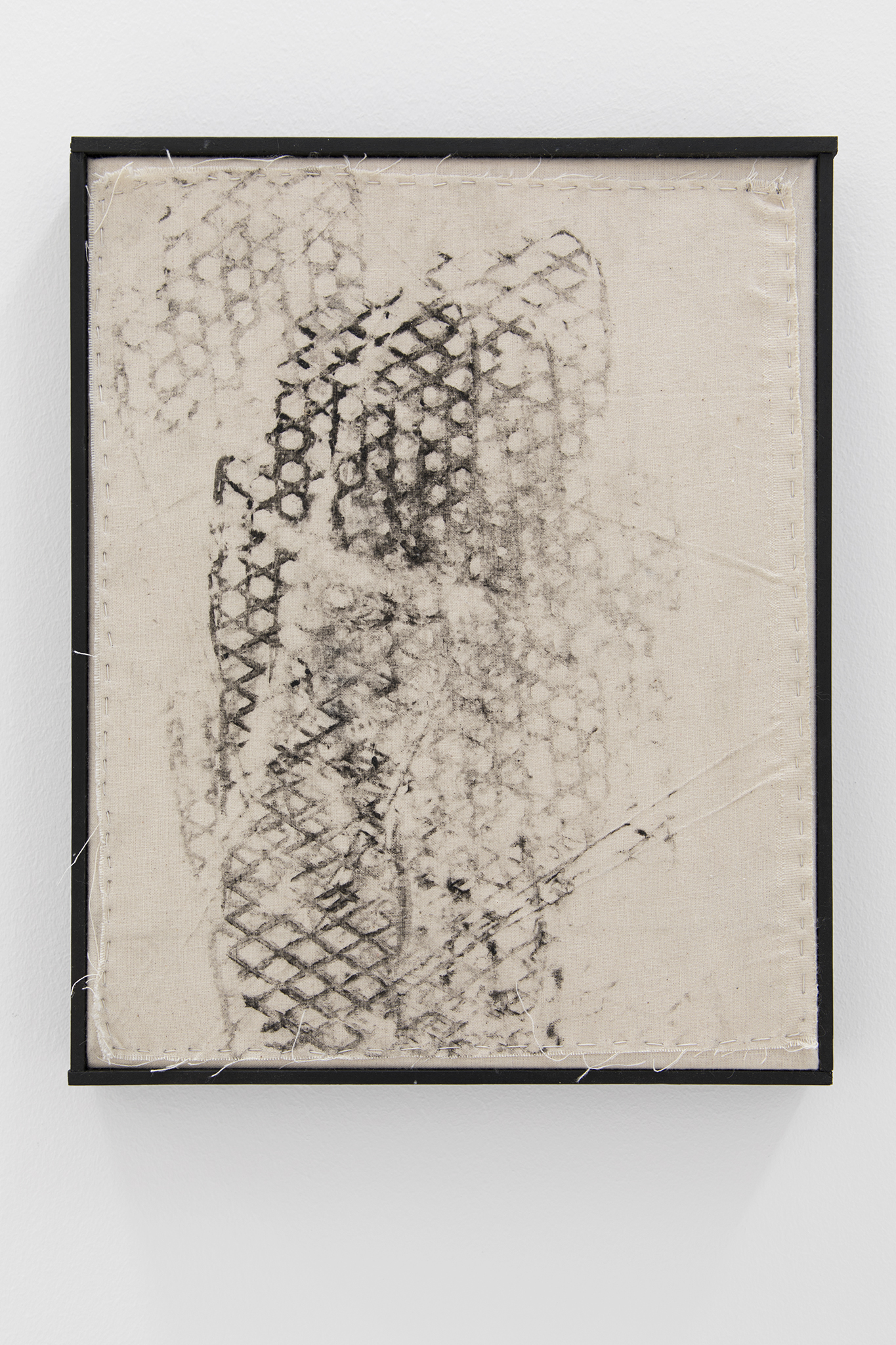
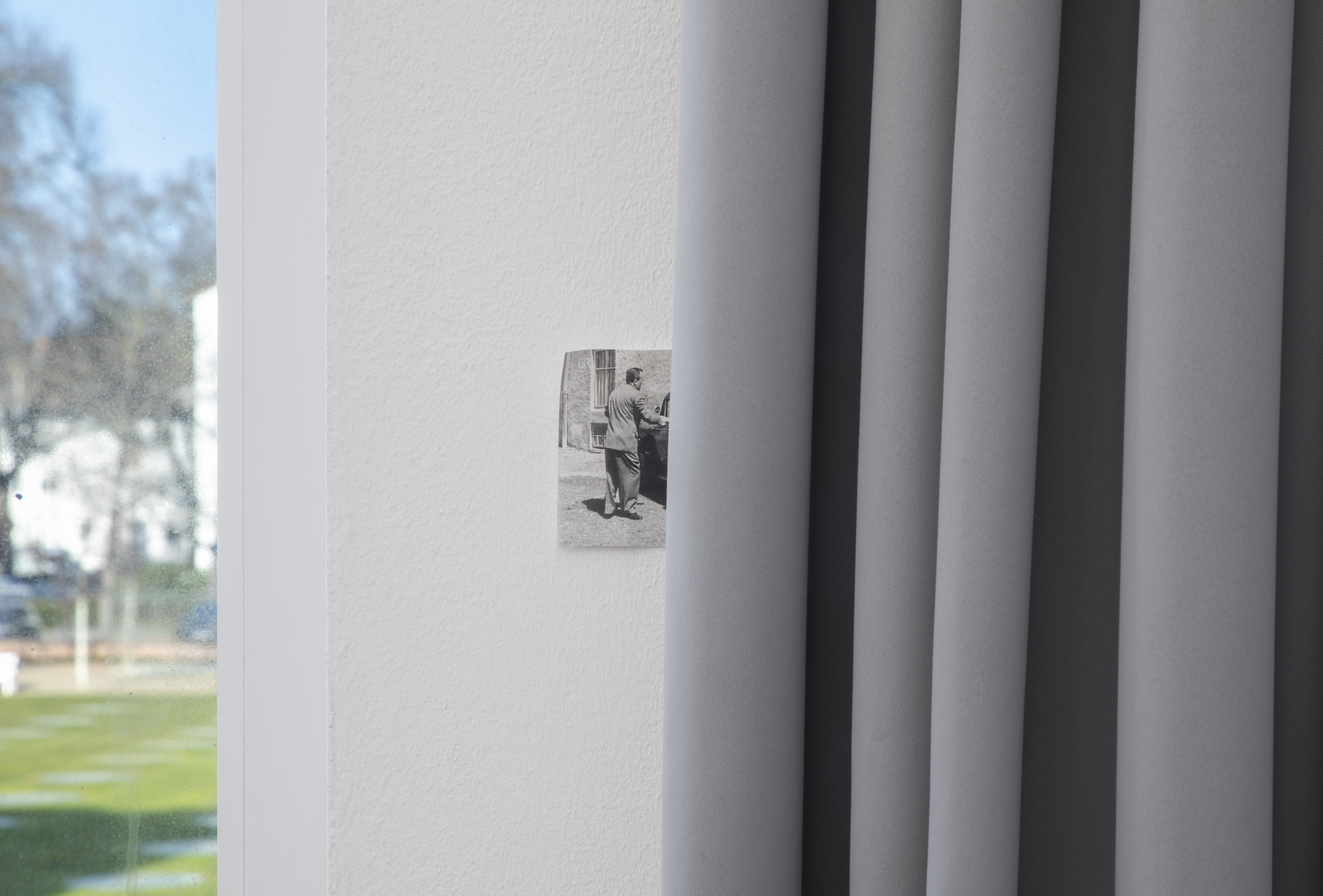
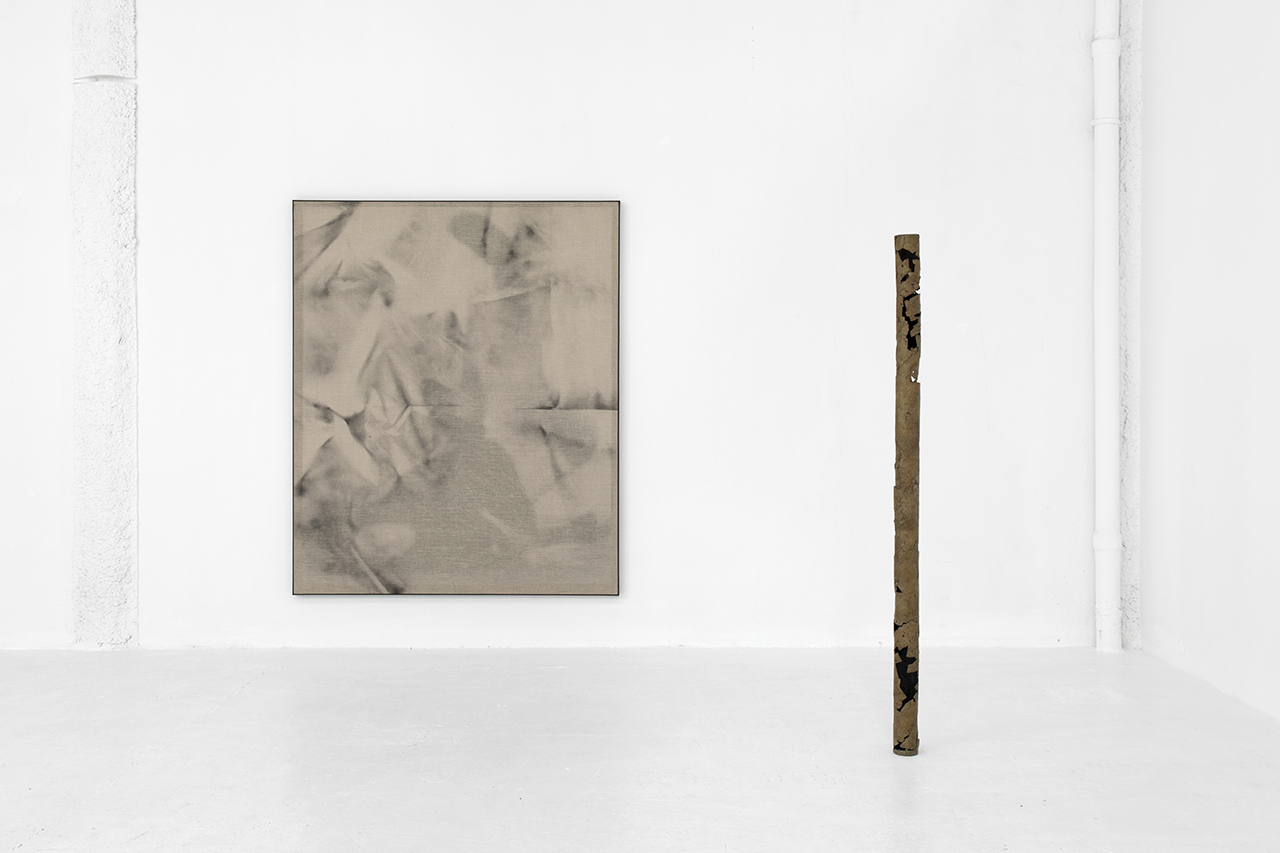
This ongoing series of paintings acts as a veil for a constantly expanding archive of cinematic stills collected by the artist. By overlapping two layers of fabric, a play of perception, depth and scale comes to the forefront, the stain blurring into the figures beneath, constantly changing depending on the position of the viewer. Each canvas in this set returns to the recurring appearance and absence of a particular car model, one his grandfather owned in Stuttgart, before being forced to sell it to escape the country in 1939. With each revisitation of this image, Waelder shifts the attention away from the vehicle towards peripheral figures, a gesture that mirrors the way memory can digress and [Read more]
This ongoing series of paintings acts as a veil for a constantly expanding archive of cinematic stills collected by the artist. By overlapping two layers of fabric, a play of perception, depth and scale comes to the forefront, the stain blurring into the figures beneath, constantly changing depending on the position of the viewer. Each canvas in this set returns to the recurring appearance and absence of a particular car model, one his grandfather owned in Stuttgart, before being forced to sell it to escape the country in 1939. With each revisitation of this image, Waelder shifts the attention away from the vehicle towards peripheral figures, a gesture that mirrors the way memory can digress and [Read more]
016.
Solo exhibition at Gesellschaft für Aktuelle Kunst – GAK Bremen
Bremen, Germany
Full documentation and info
“Zungen”
2026Solo exhibition at Gesellschaft für Aktuelle Kunst – GAK Bremen
Bremen, Germany
Full documentation and info
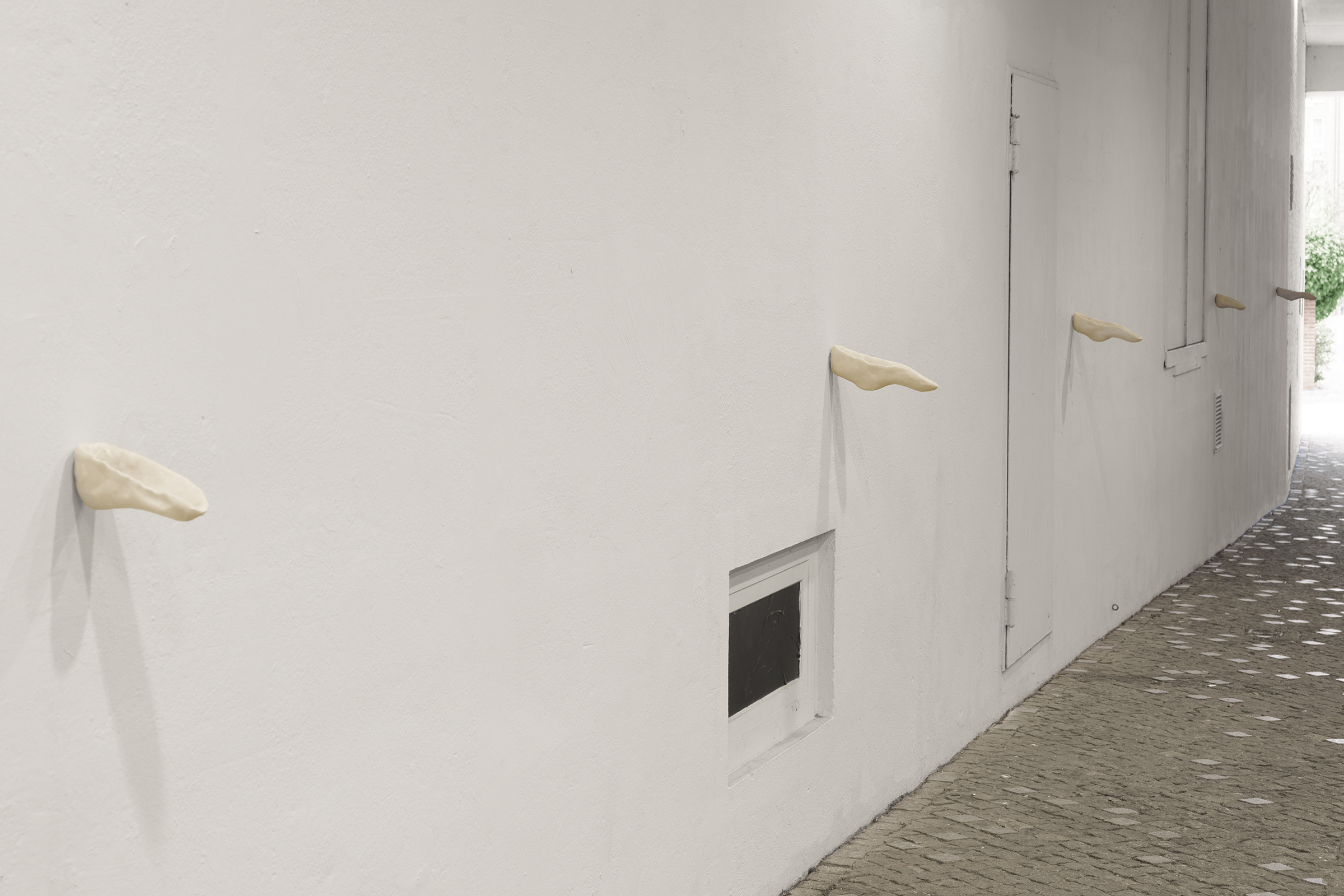
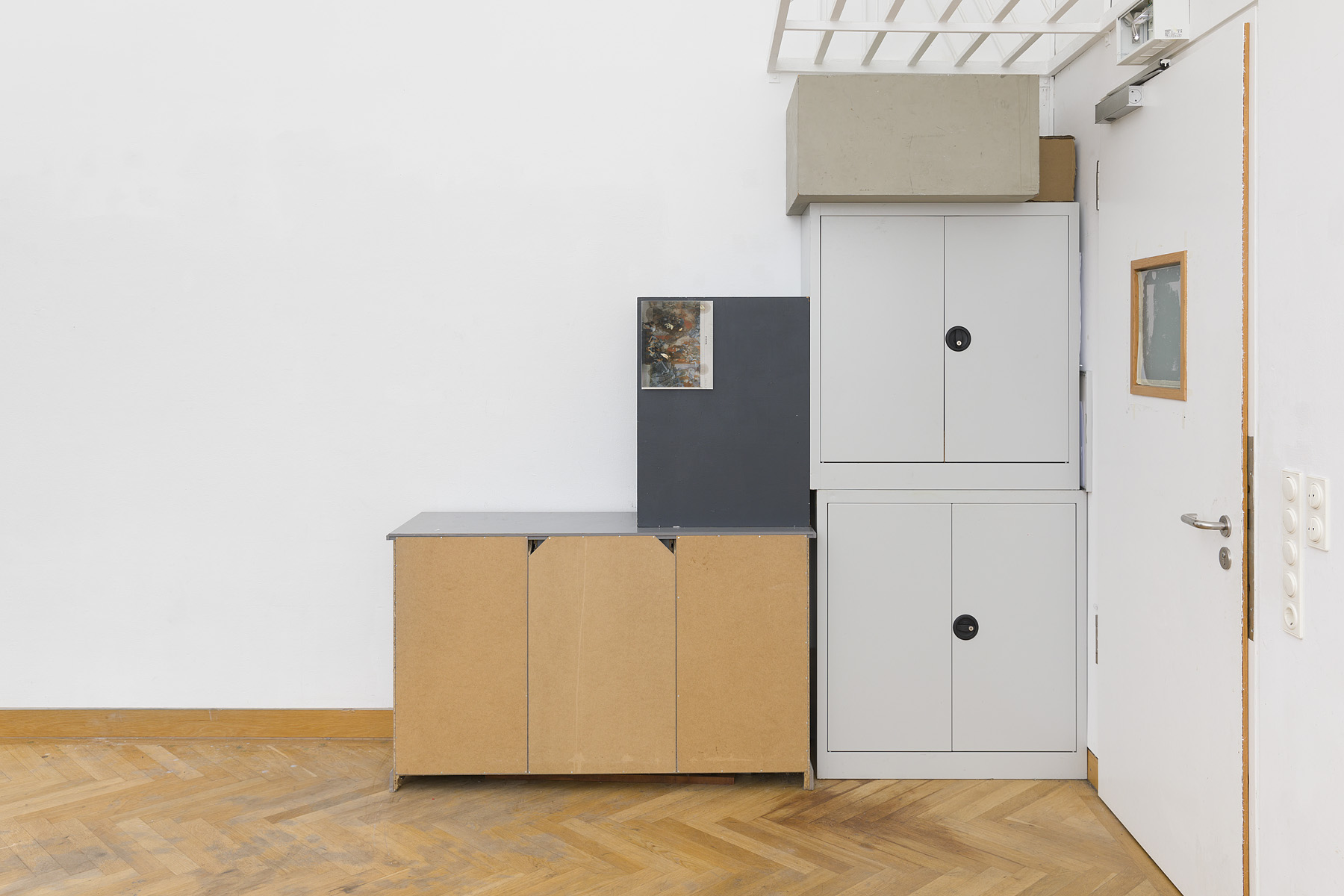
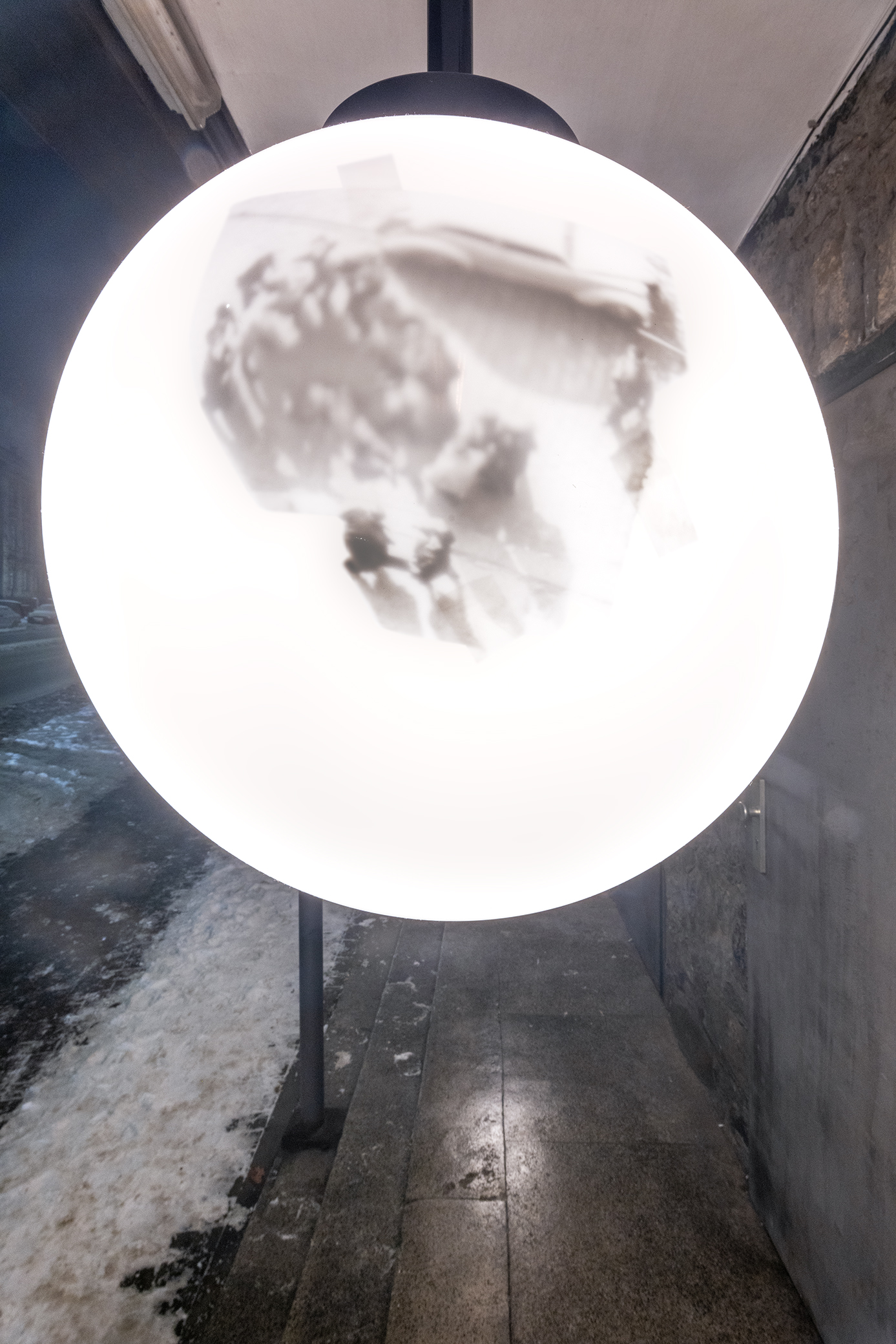
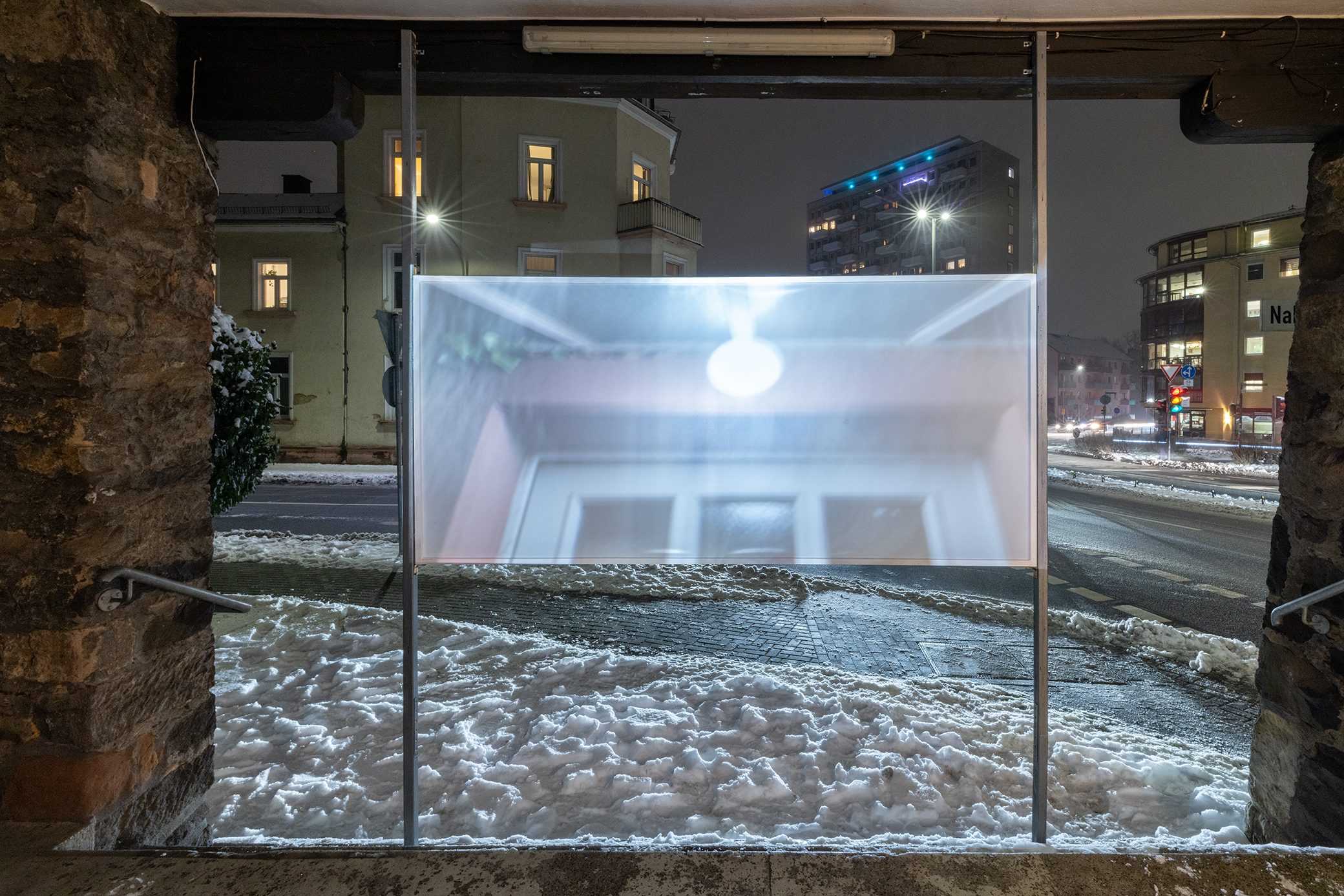
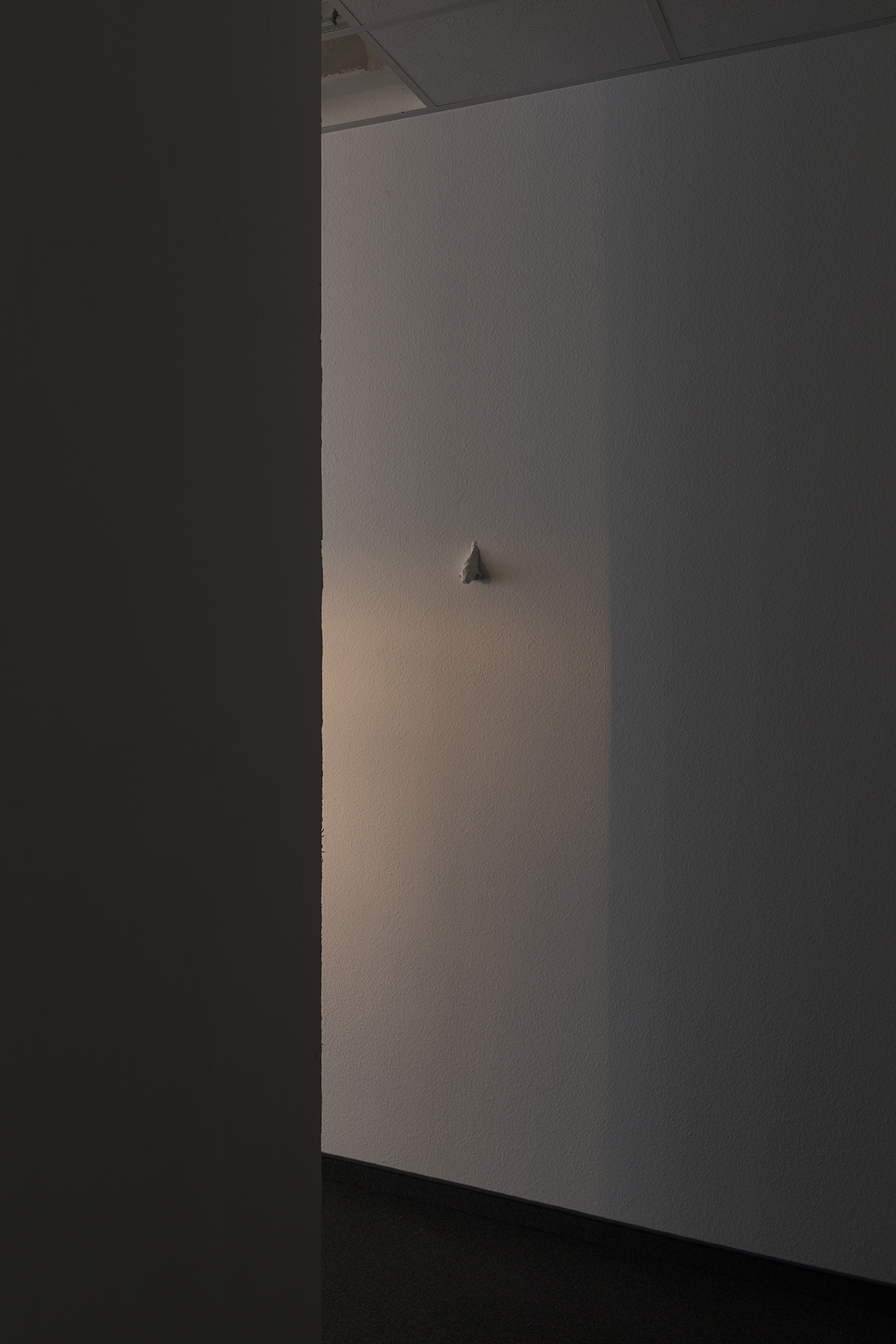
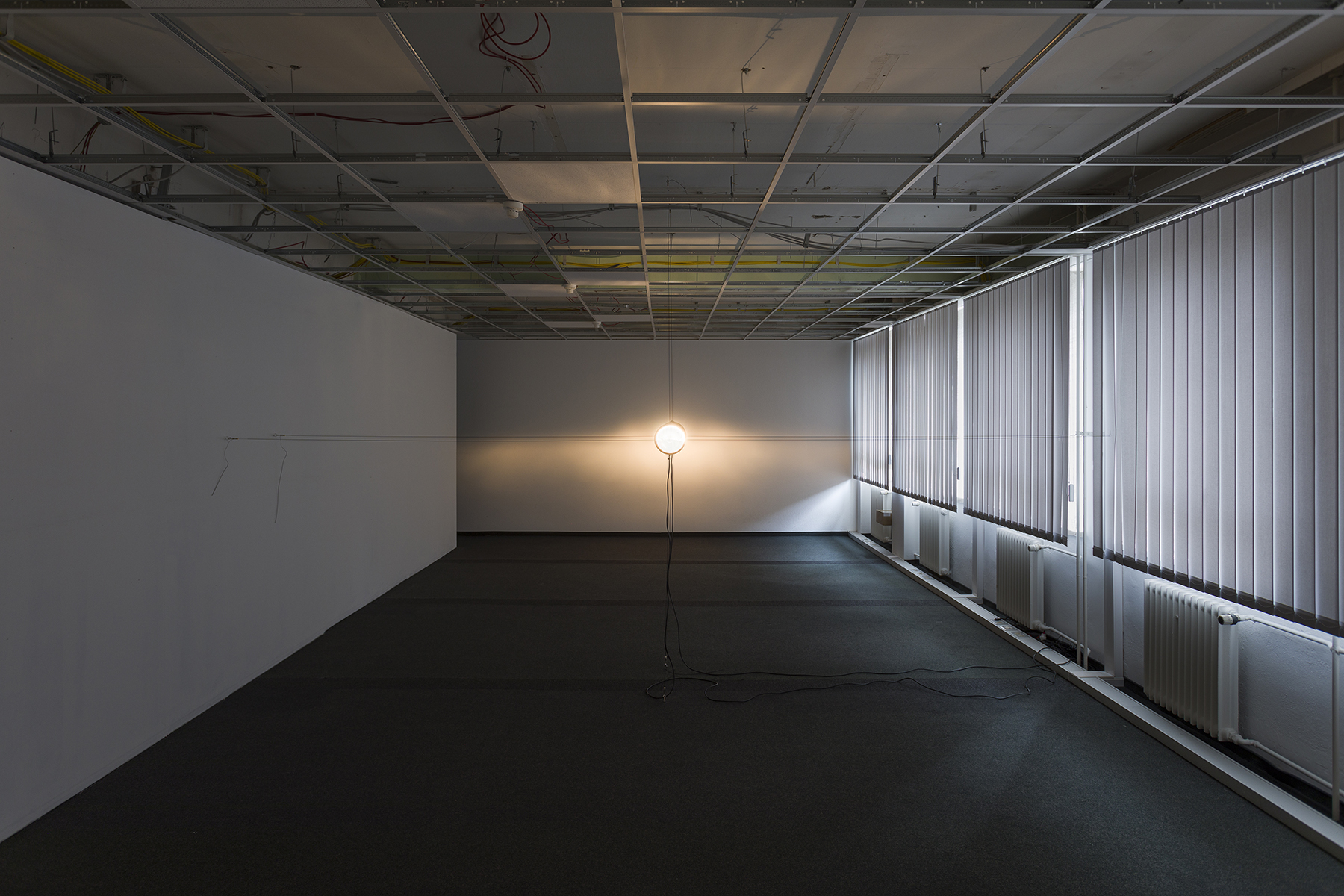
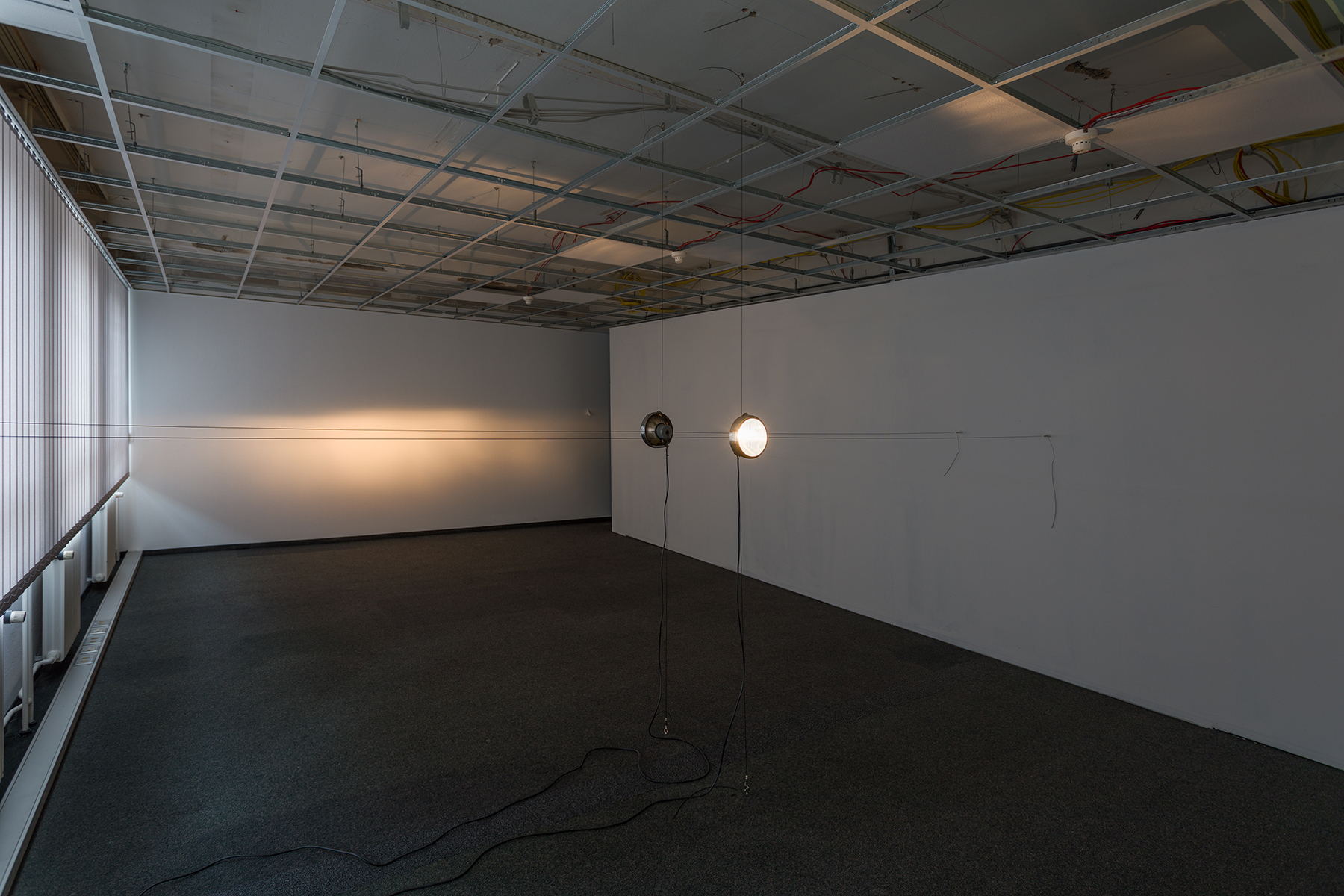
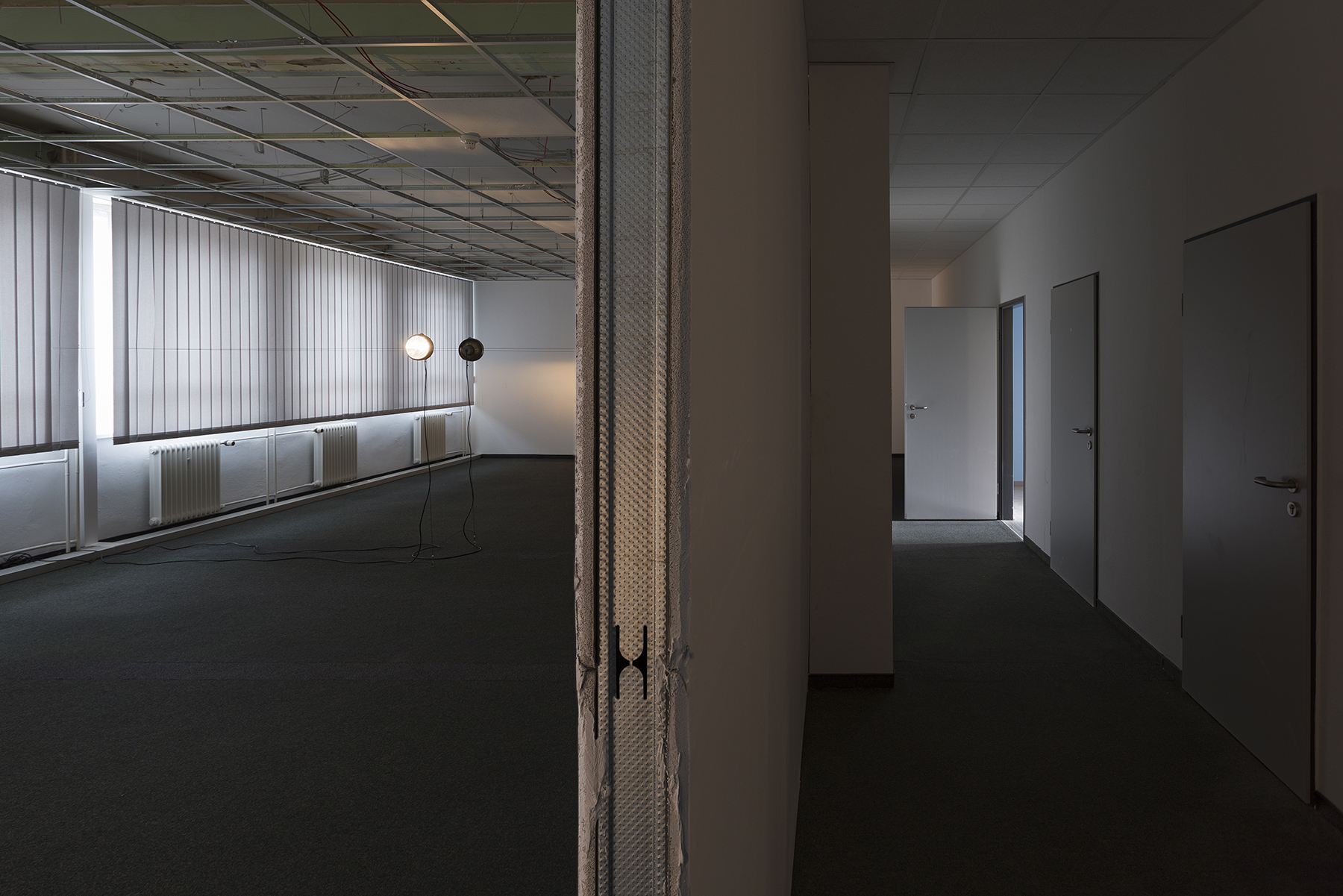
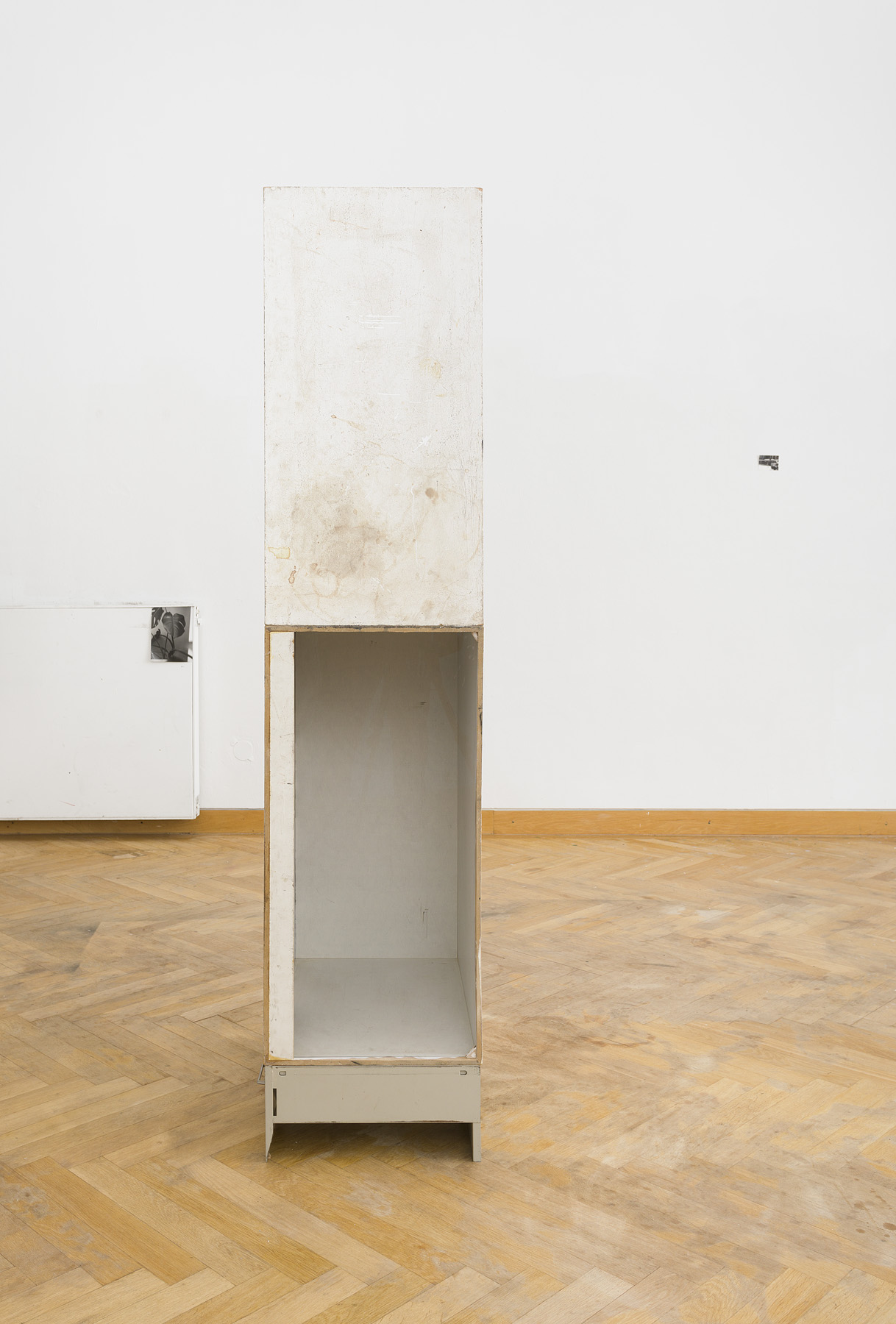
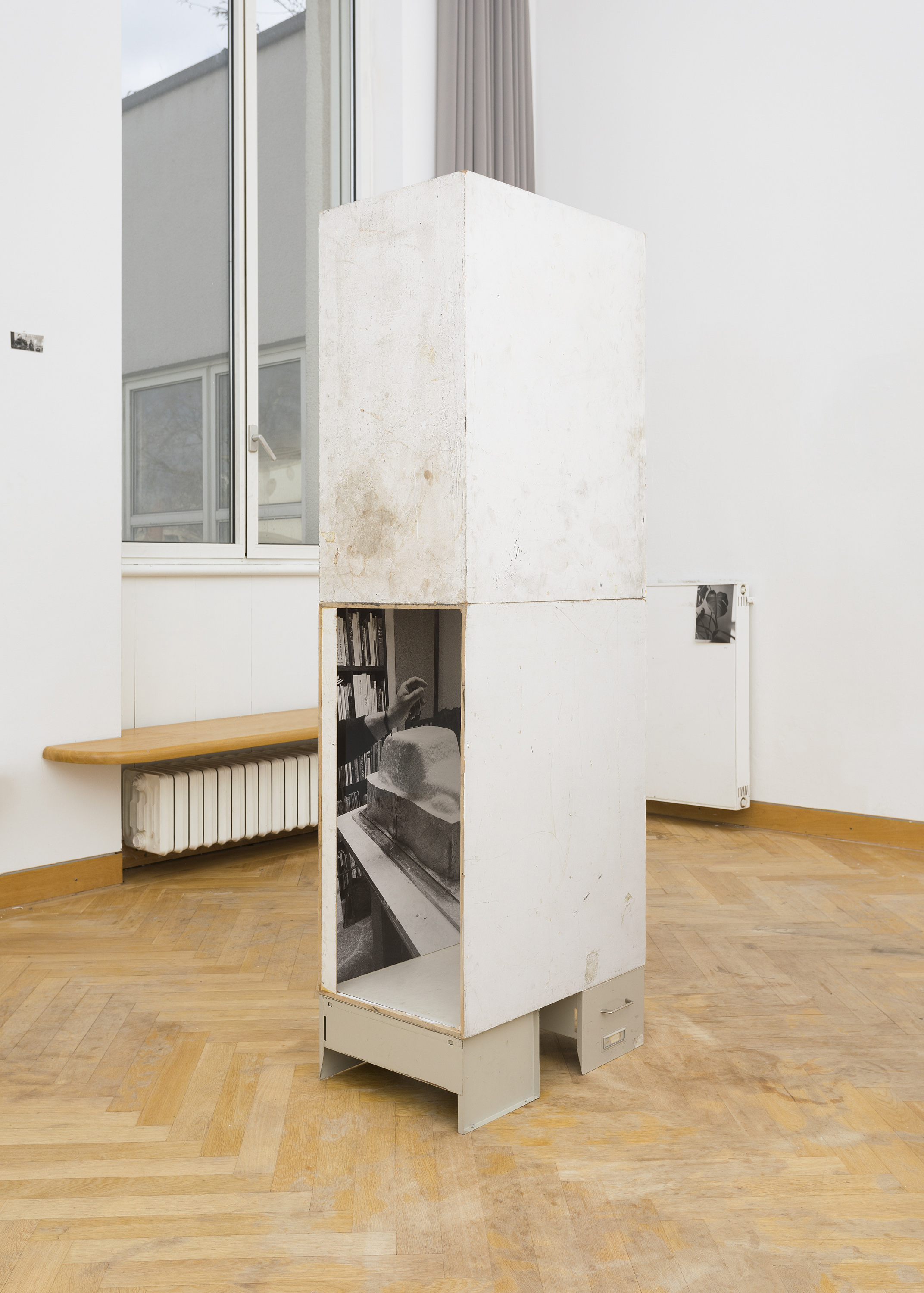
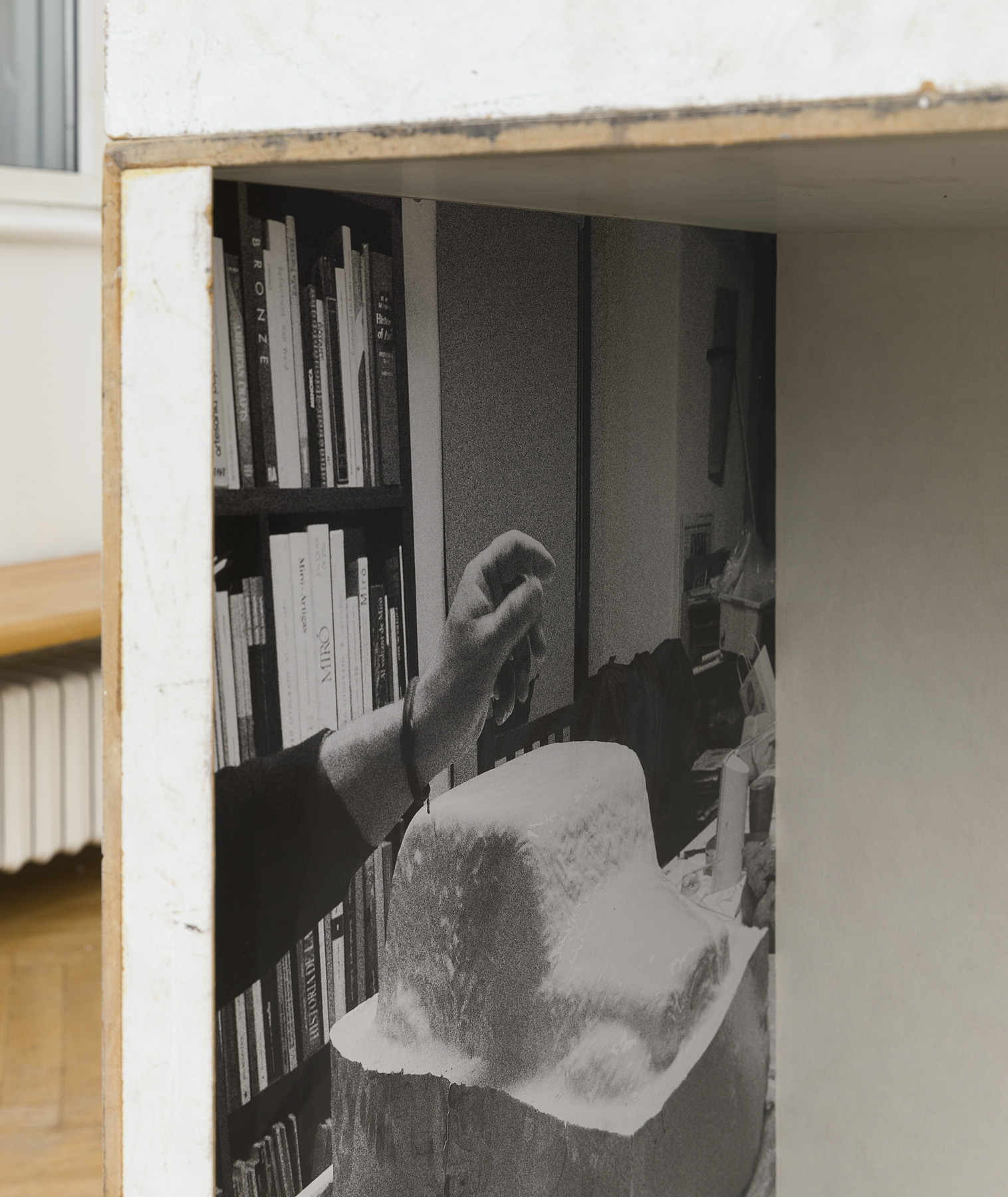
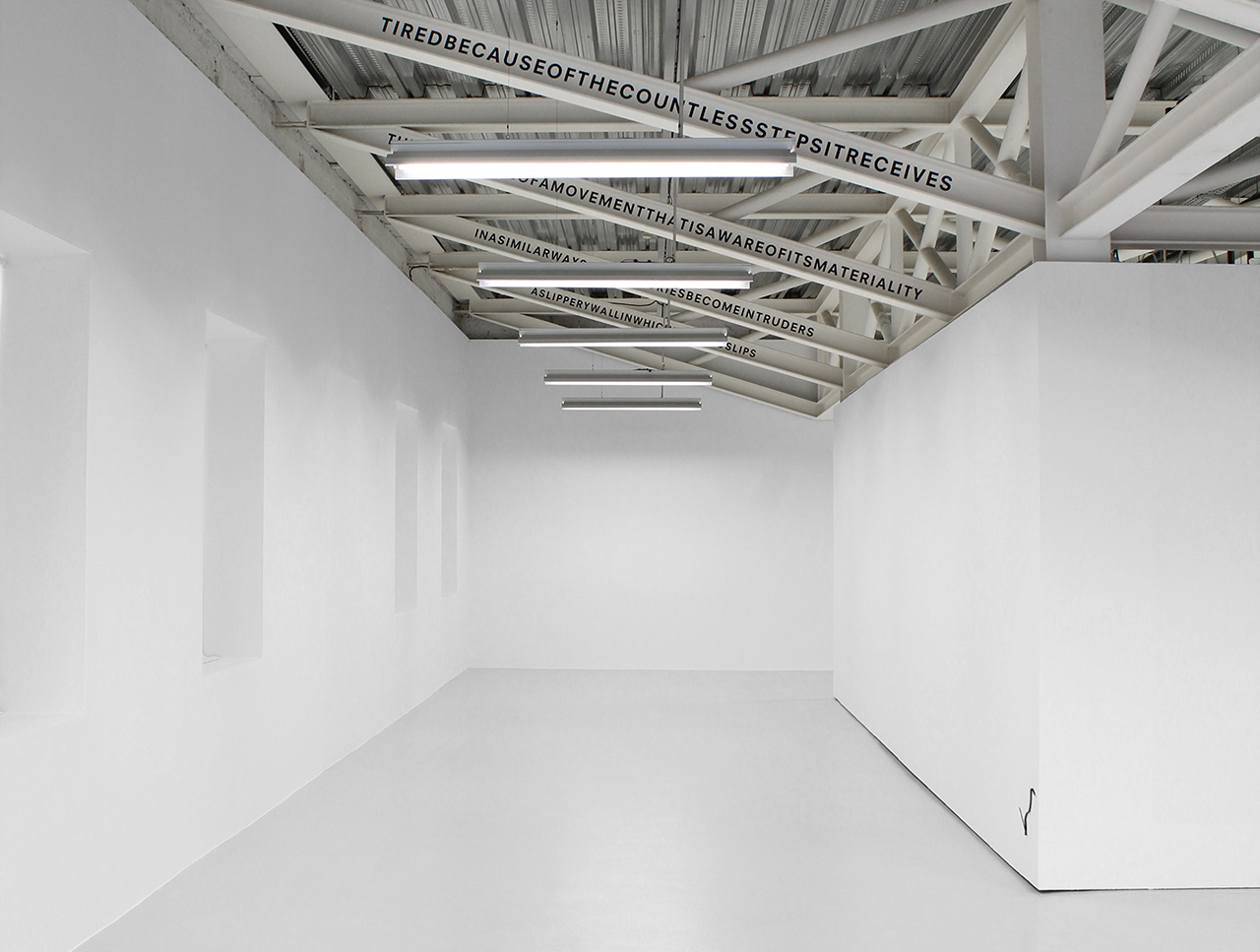
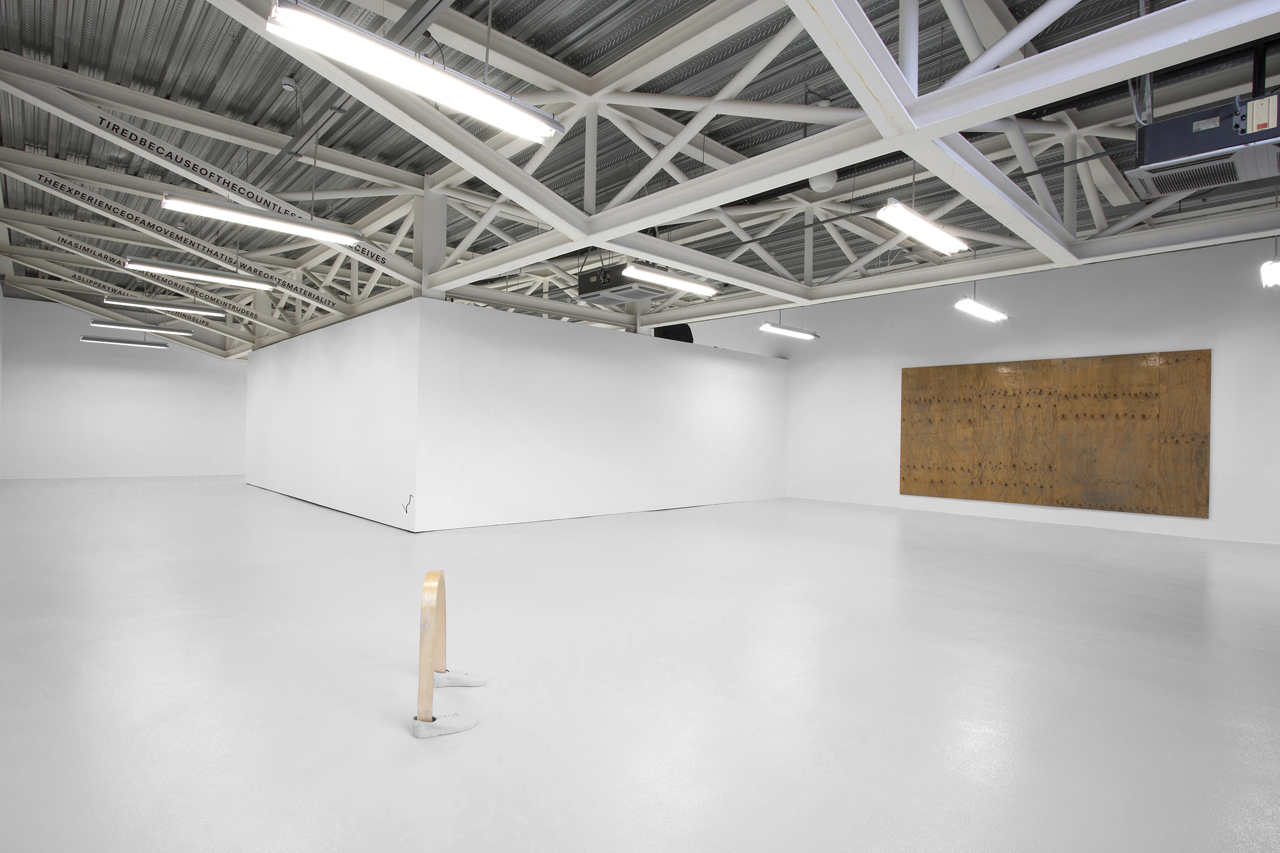
The exhibition Zungen by Ian Waelder is the third in the series for fear of continuity problems, which explores the notion of memory in parts of GAK’s indoor space and in the poster frames outside.
The conversation around Waelder’s exhibition started with the image of a child standing before a family bookshelf. Still very small, the child could only reach the books on the lower shelves, but over the years and as they became taller, more shelves and different books could be accessed. This access, reaching up or bending down is something one regularly performs in front of books. Accordingly, knowledge and memory are also connected to reach. Just as the body and language are intertwined.
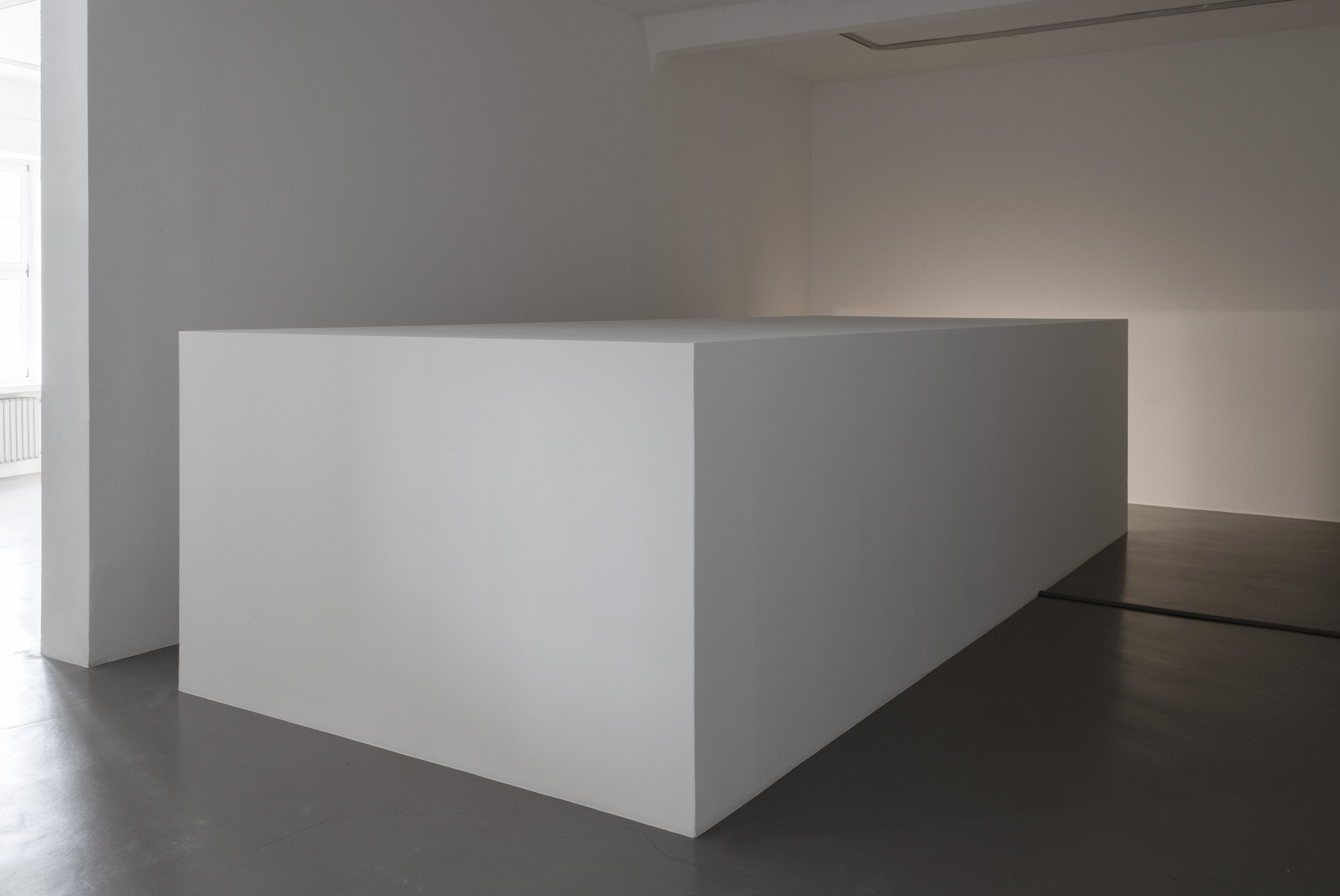
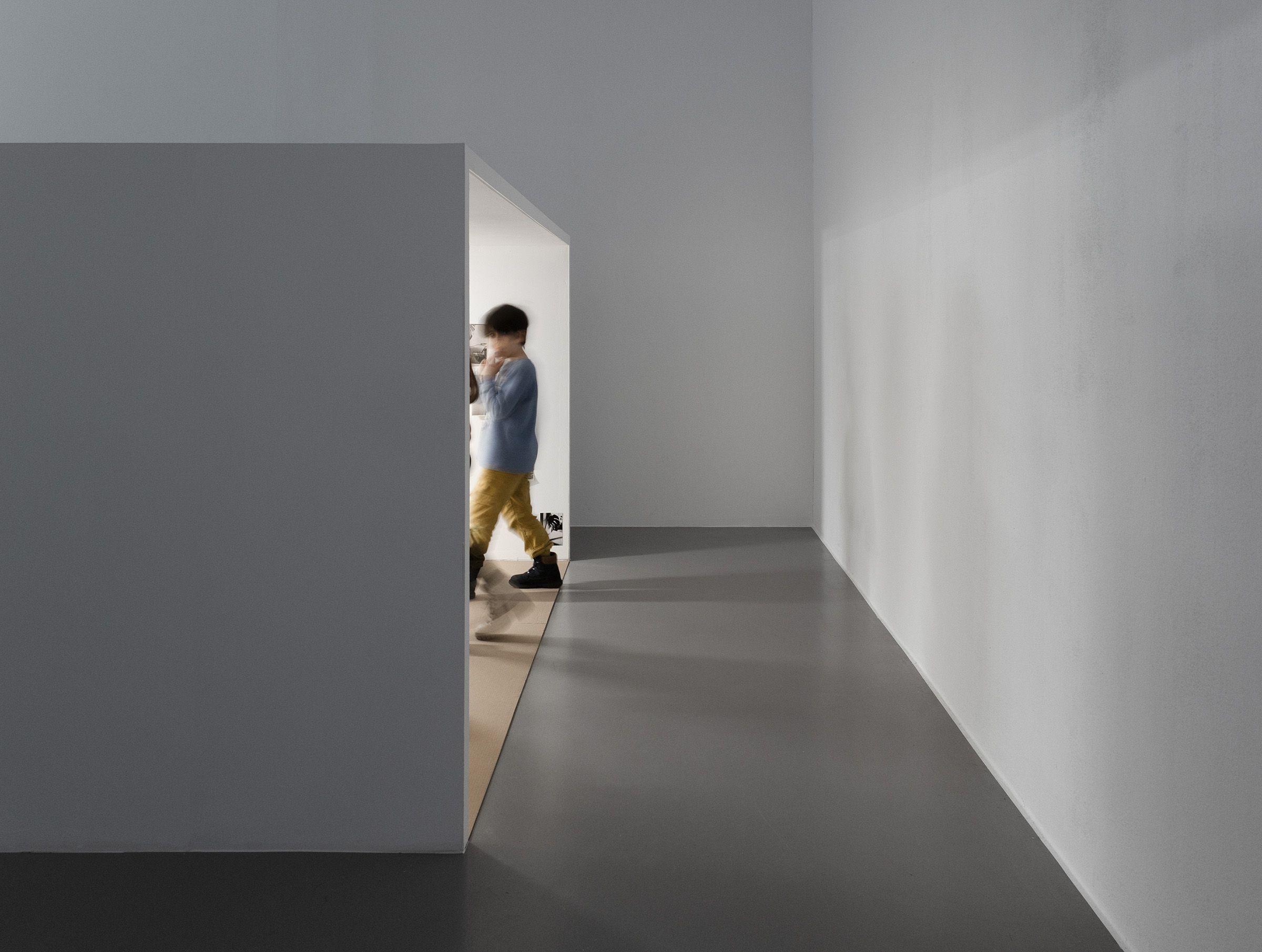
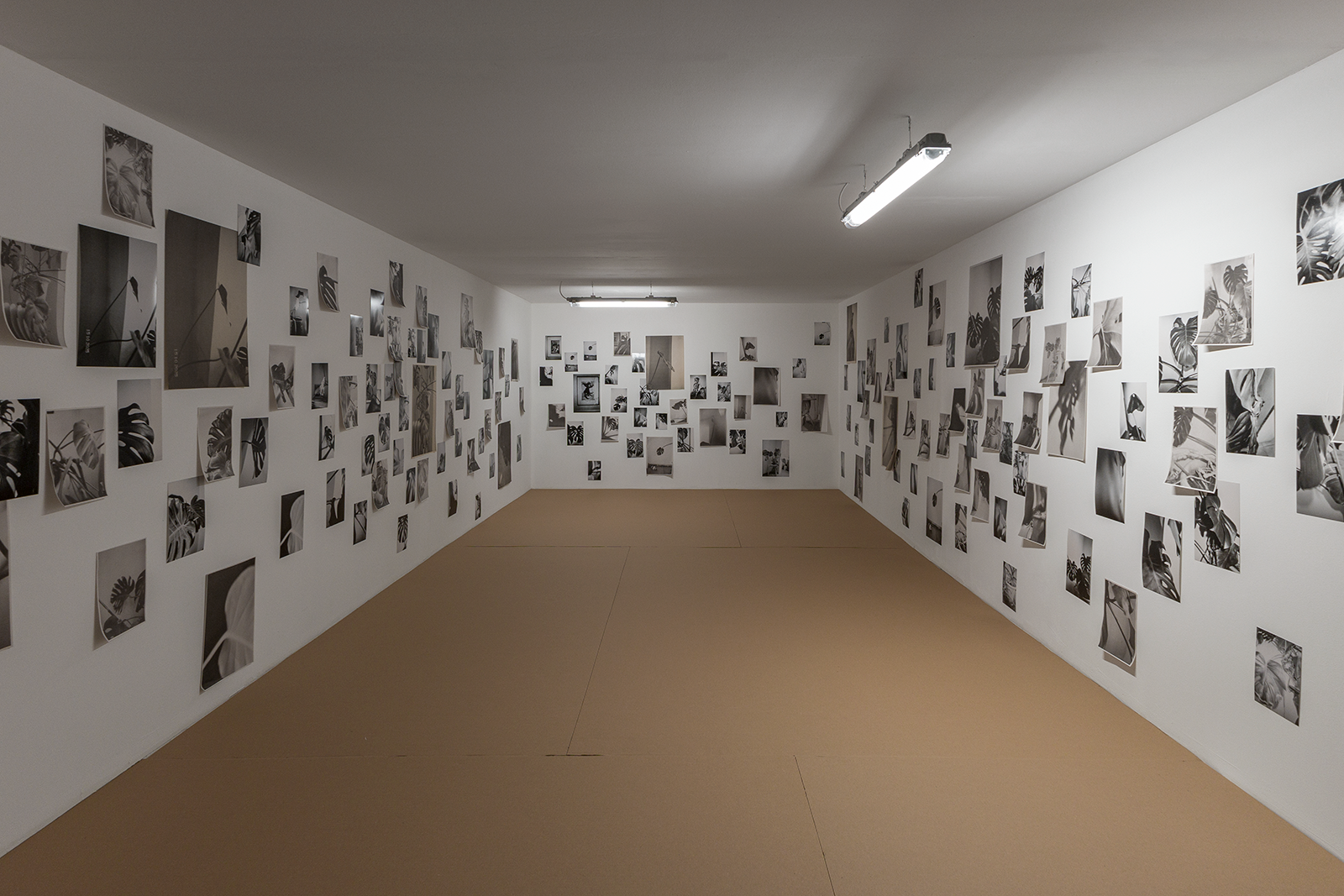
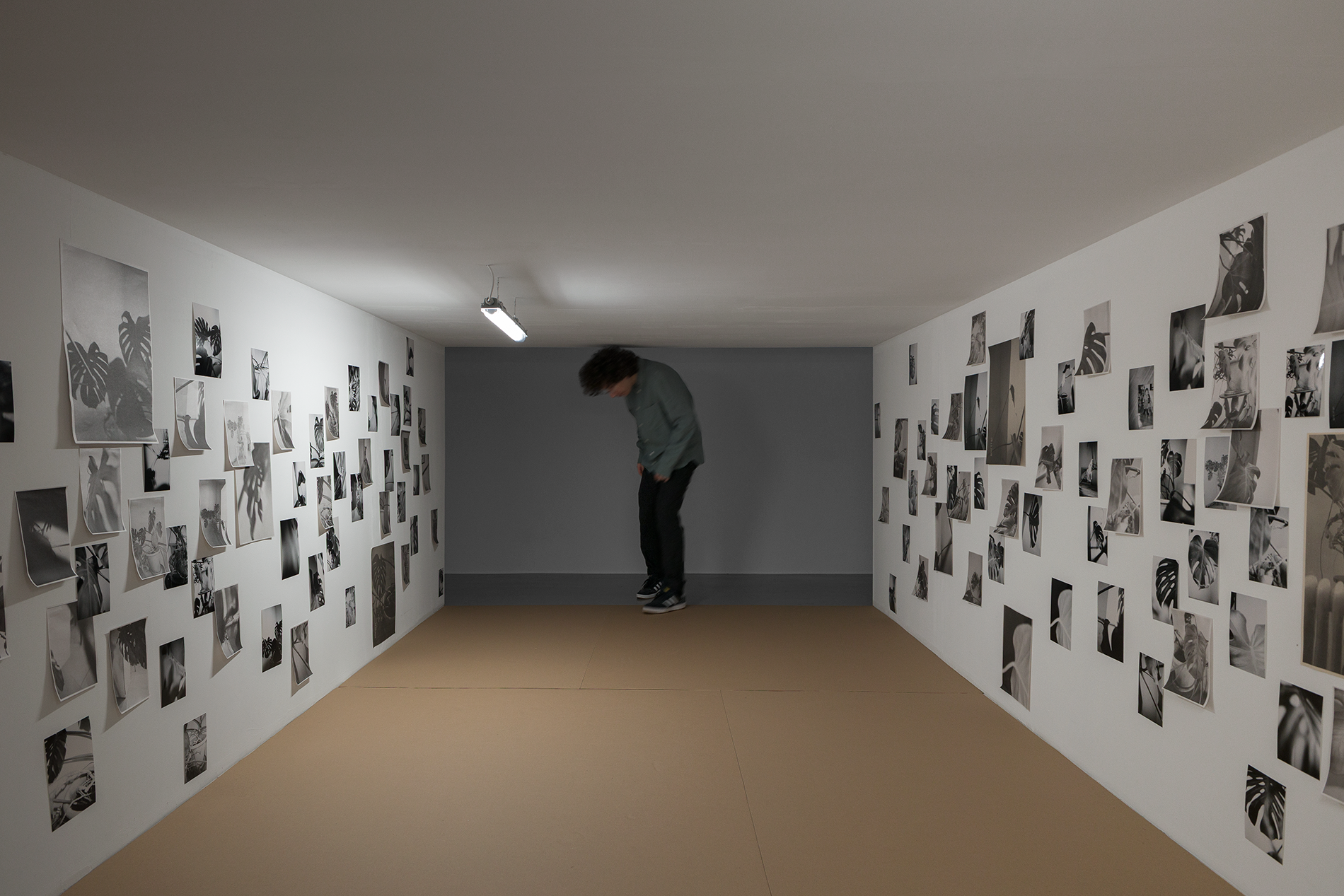
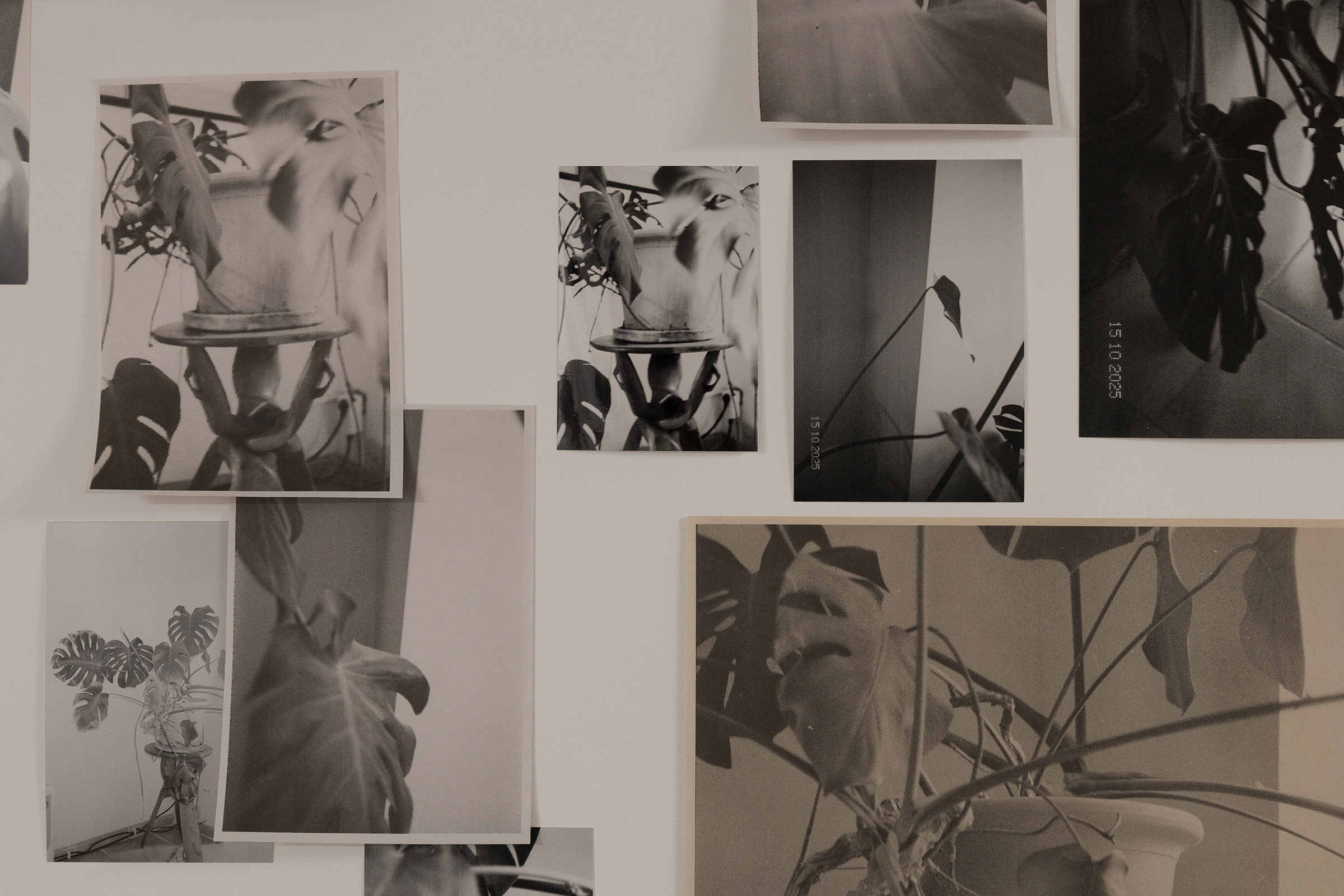
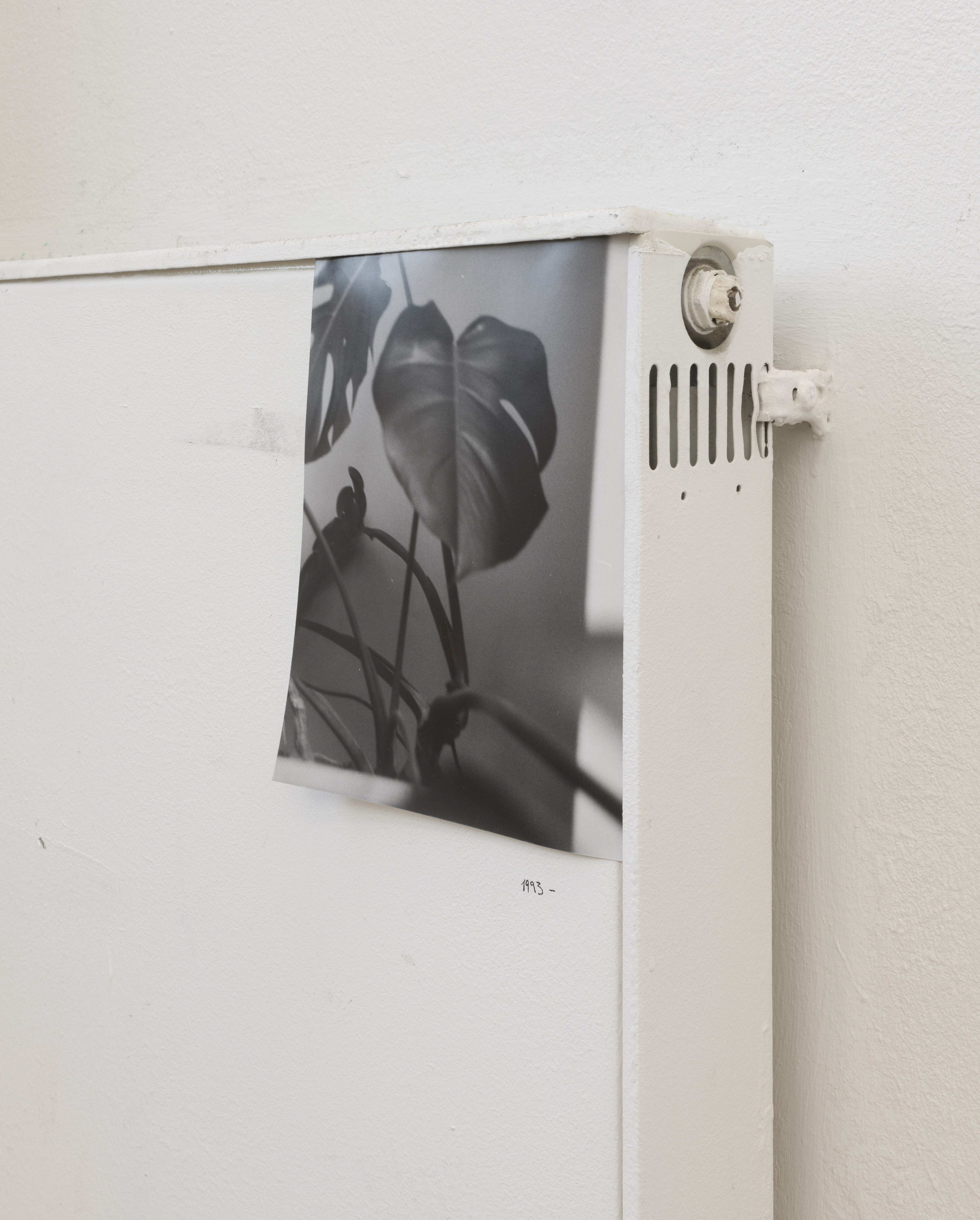
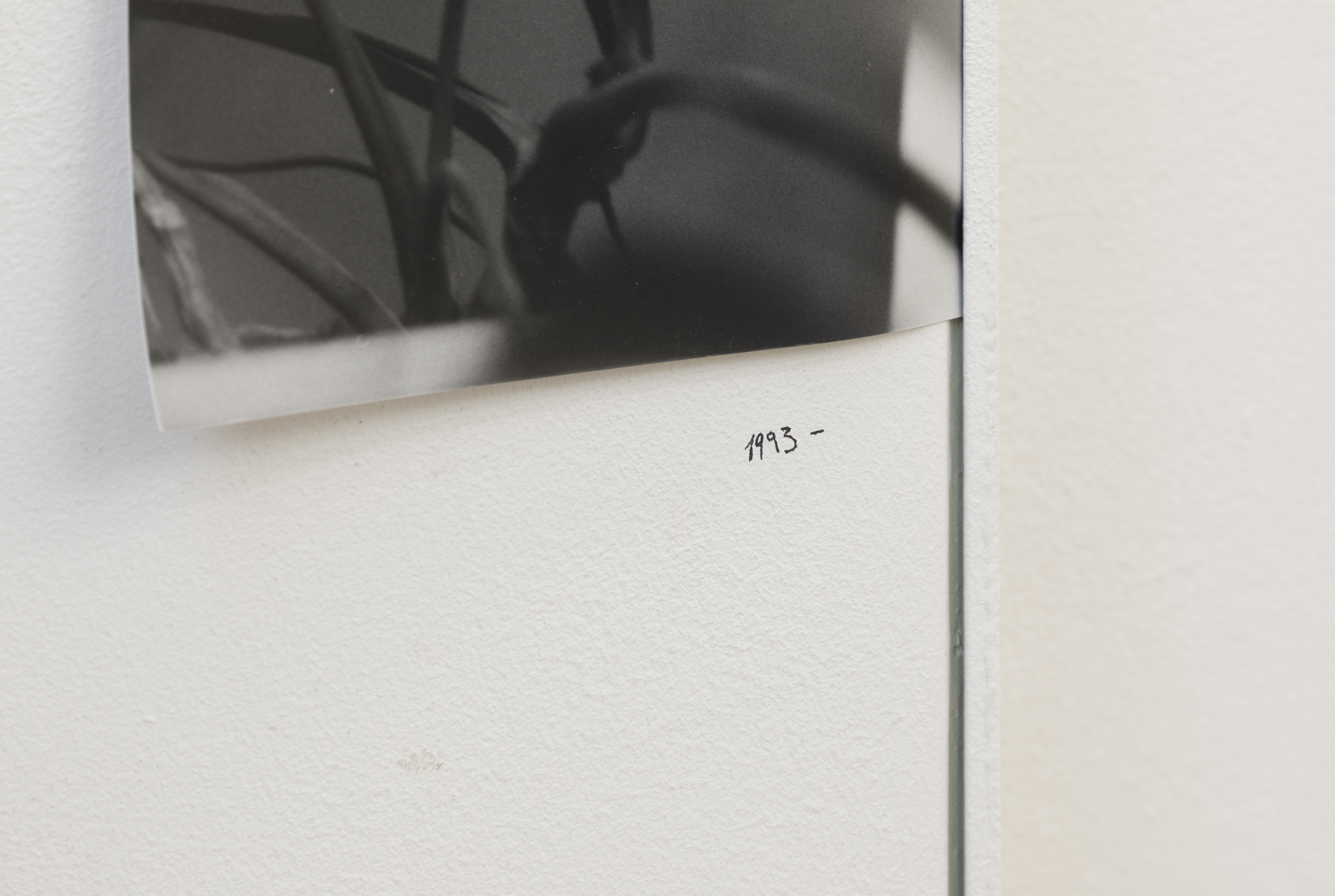
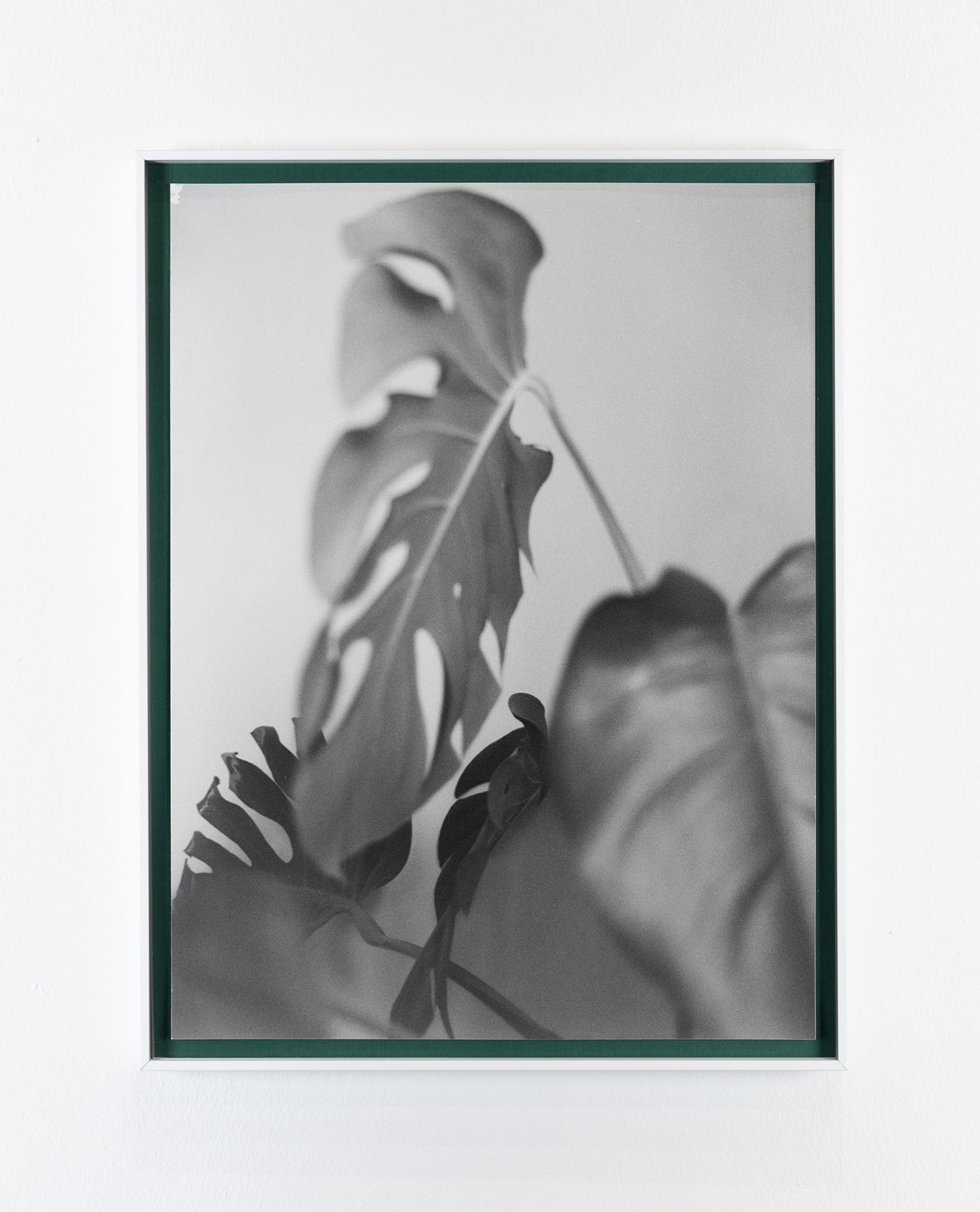
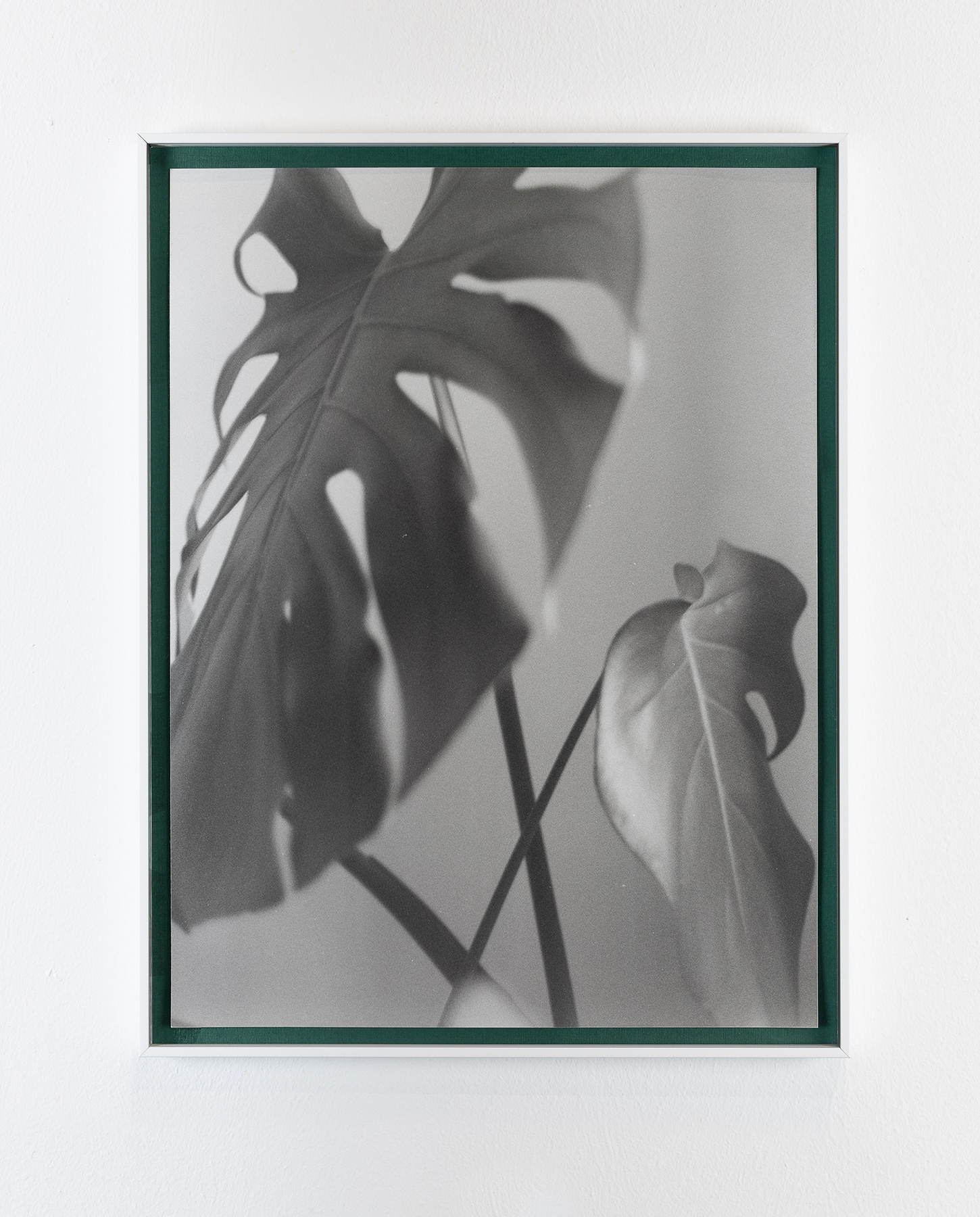
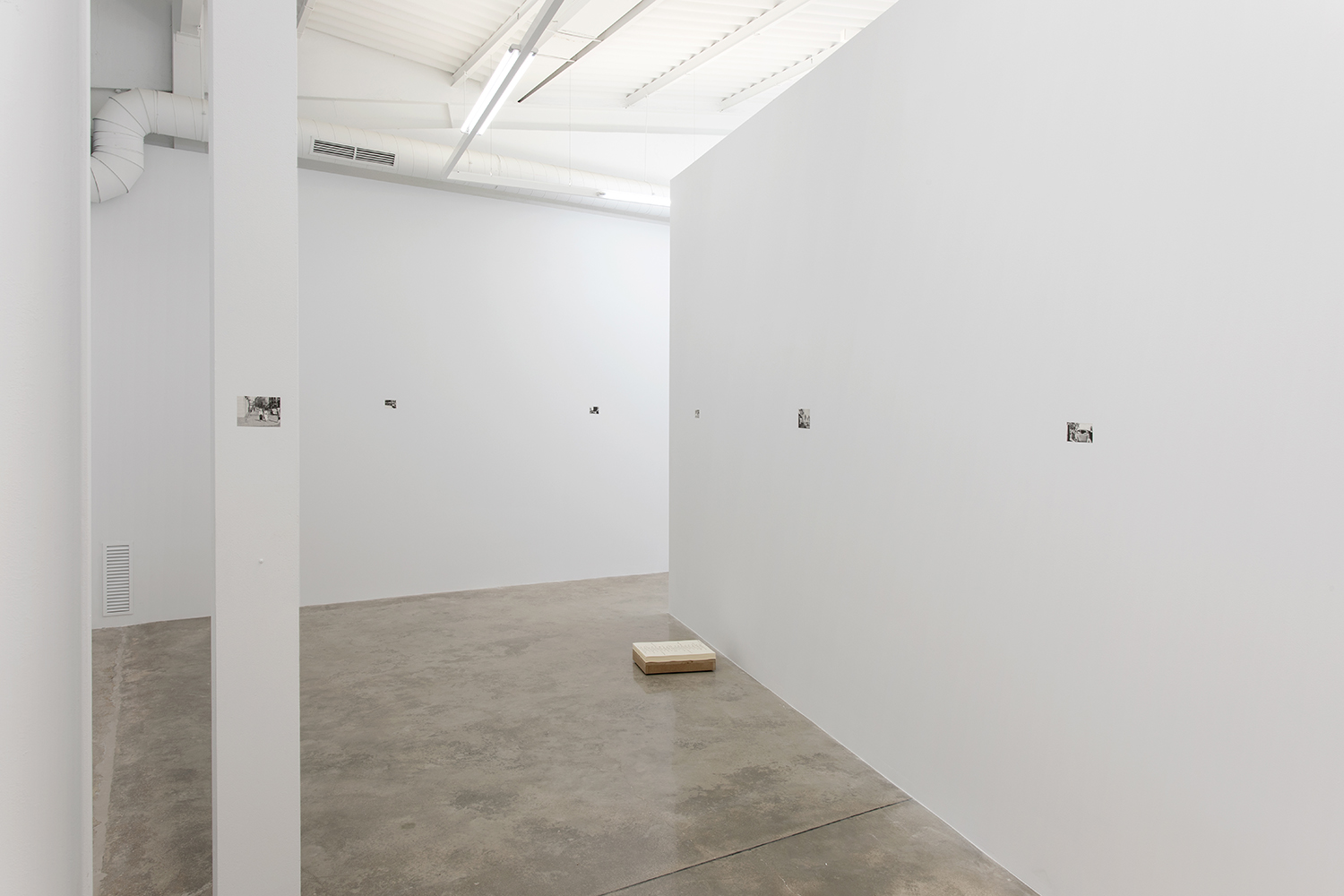
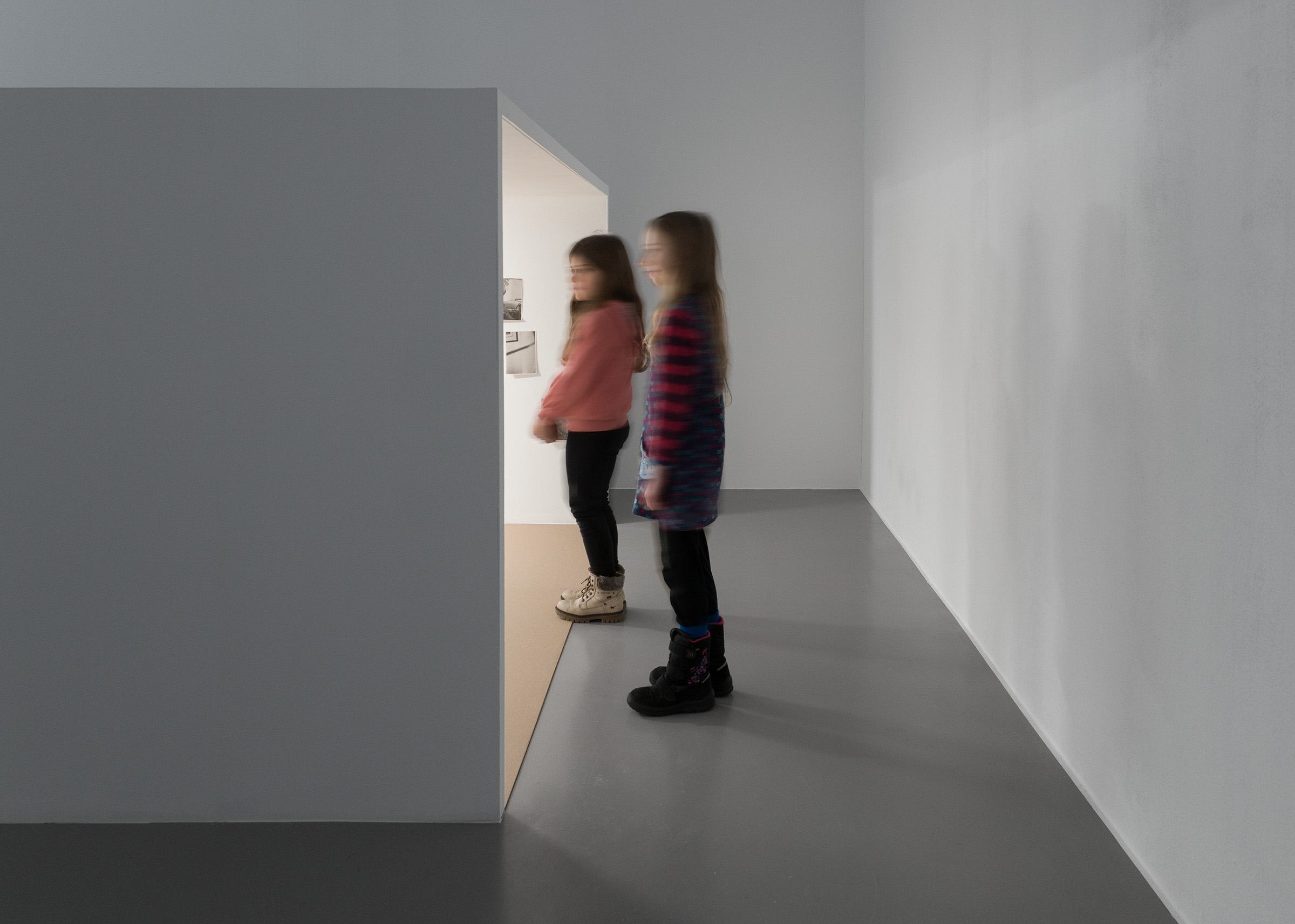
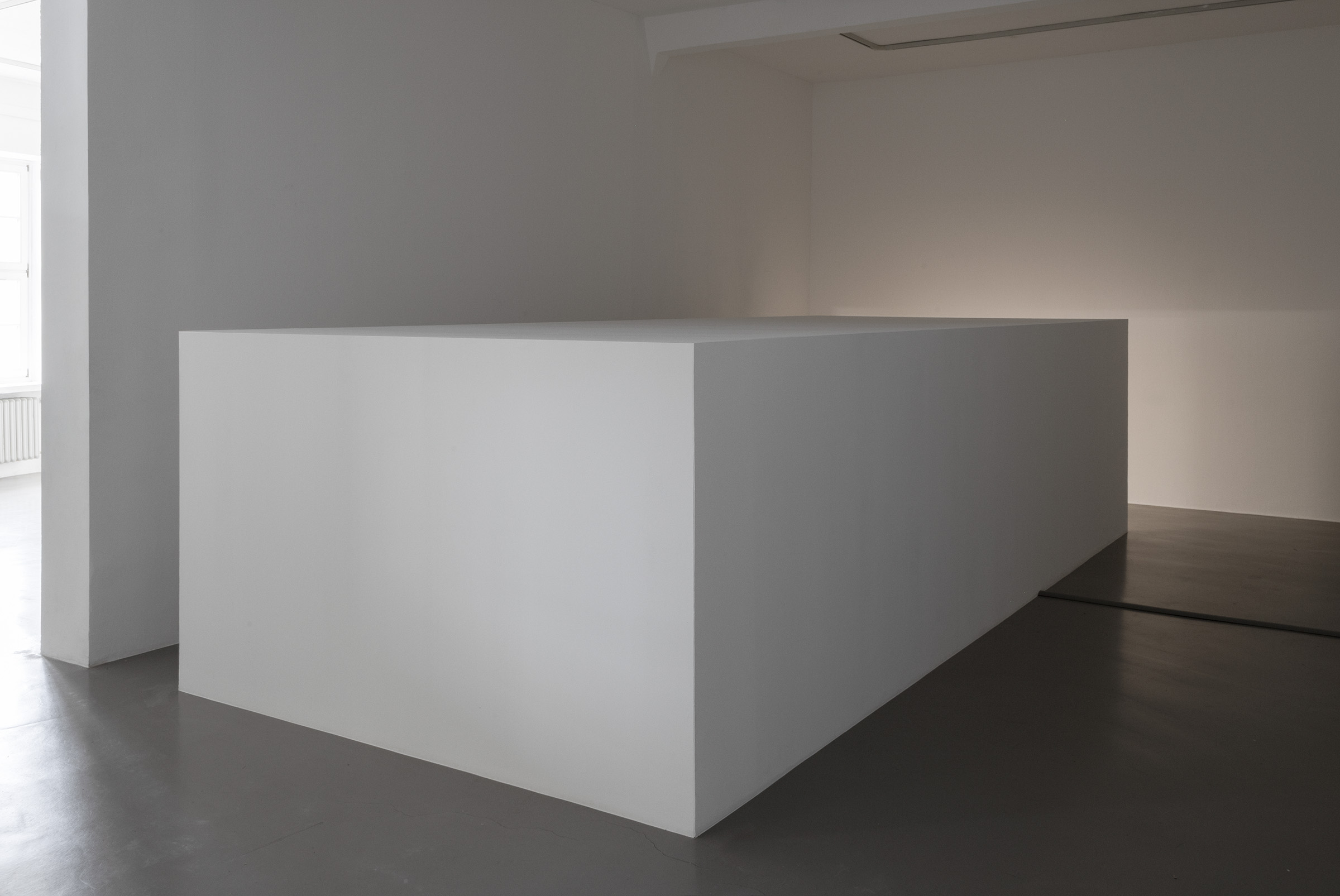
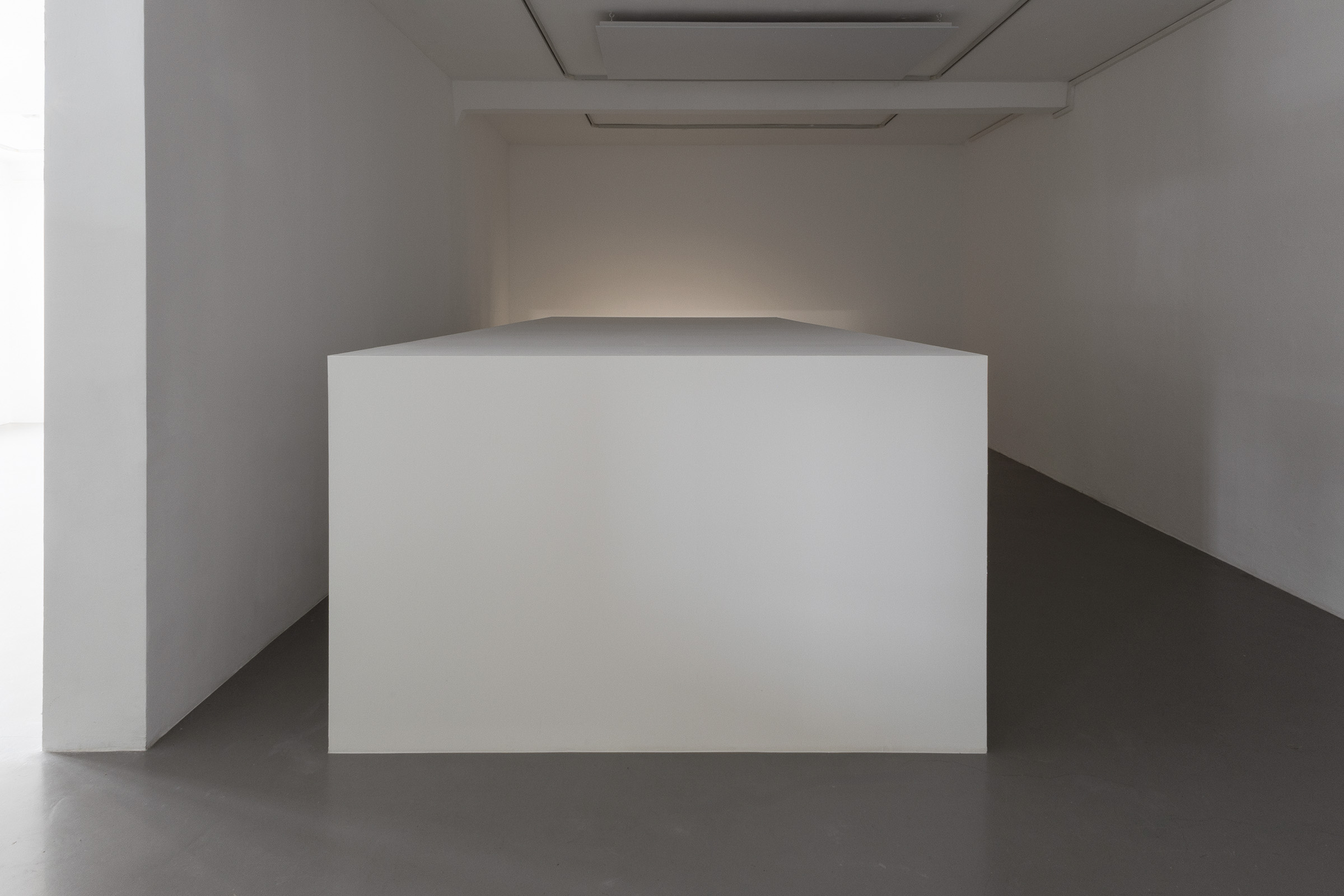
Within the exhibition at GAK sits a space with a low ceiling, a sort of box, which you are invited to enter. If you are quite tall, you will have to crouch down inside. There you will find a series of photographs documenting a plant and its growth over the years. The photographs capture time as being intimately connected to the artist himself — the plant was given to Waelder’s mother on the day of his birth and since then grows alongside him.
[Read more]
The conversation around Waelder’s exhibition started with the image of a child standing before a family bookshelf. Still very small, the child could only reach the books on the lower shelves, but over the years and as they became taller, more shelves and different books could be accessed. This access, reaching up or bending down is something one regularly performs in front of books. Accordingly, knowledge and memory are also connected to reach. Just as the body and language are intertwined.
Within the exhibition at GAK sits a space with a low ceiling, a sort of box, which you are invited to enter. If you are quite tall, you will have to crouch down inside. There you will find a series of photographs documenting a plant and its growth over the years. The photographs capture time as being intimately connected to the artist himself — the plant was given to Waelder’s mother on the day of his birth and since then grows alongside him.
[Read more]
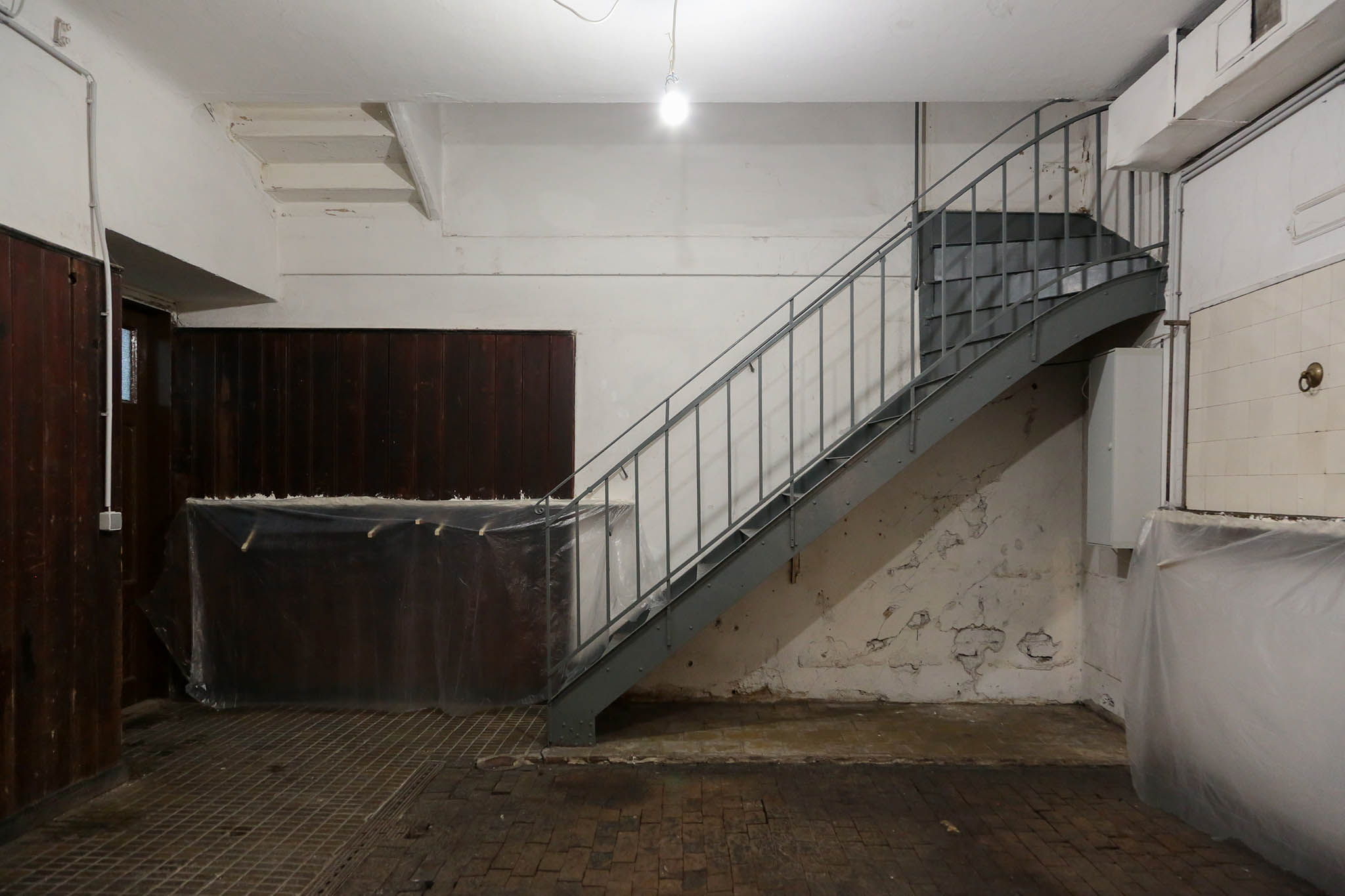

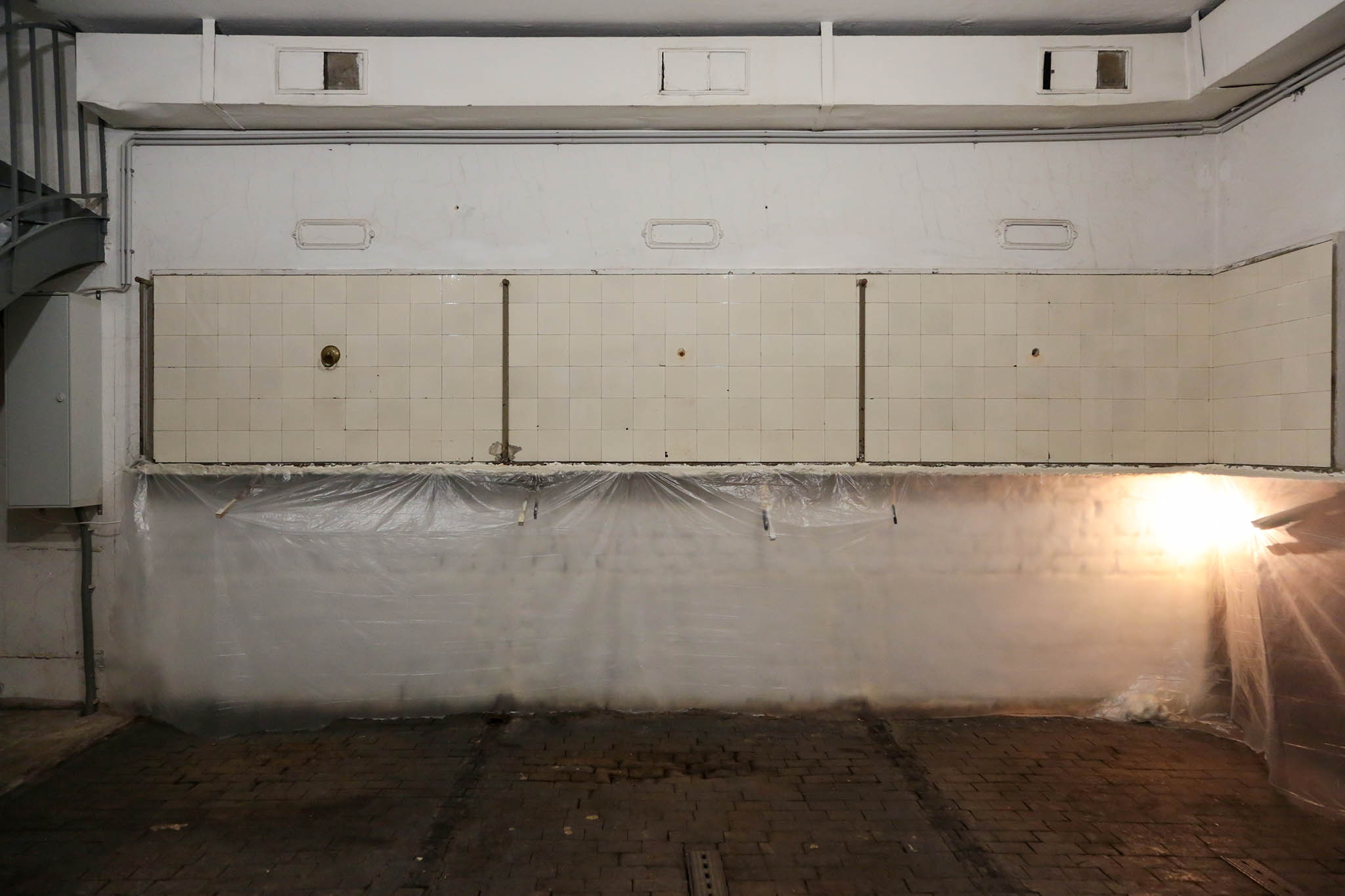
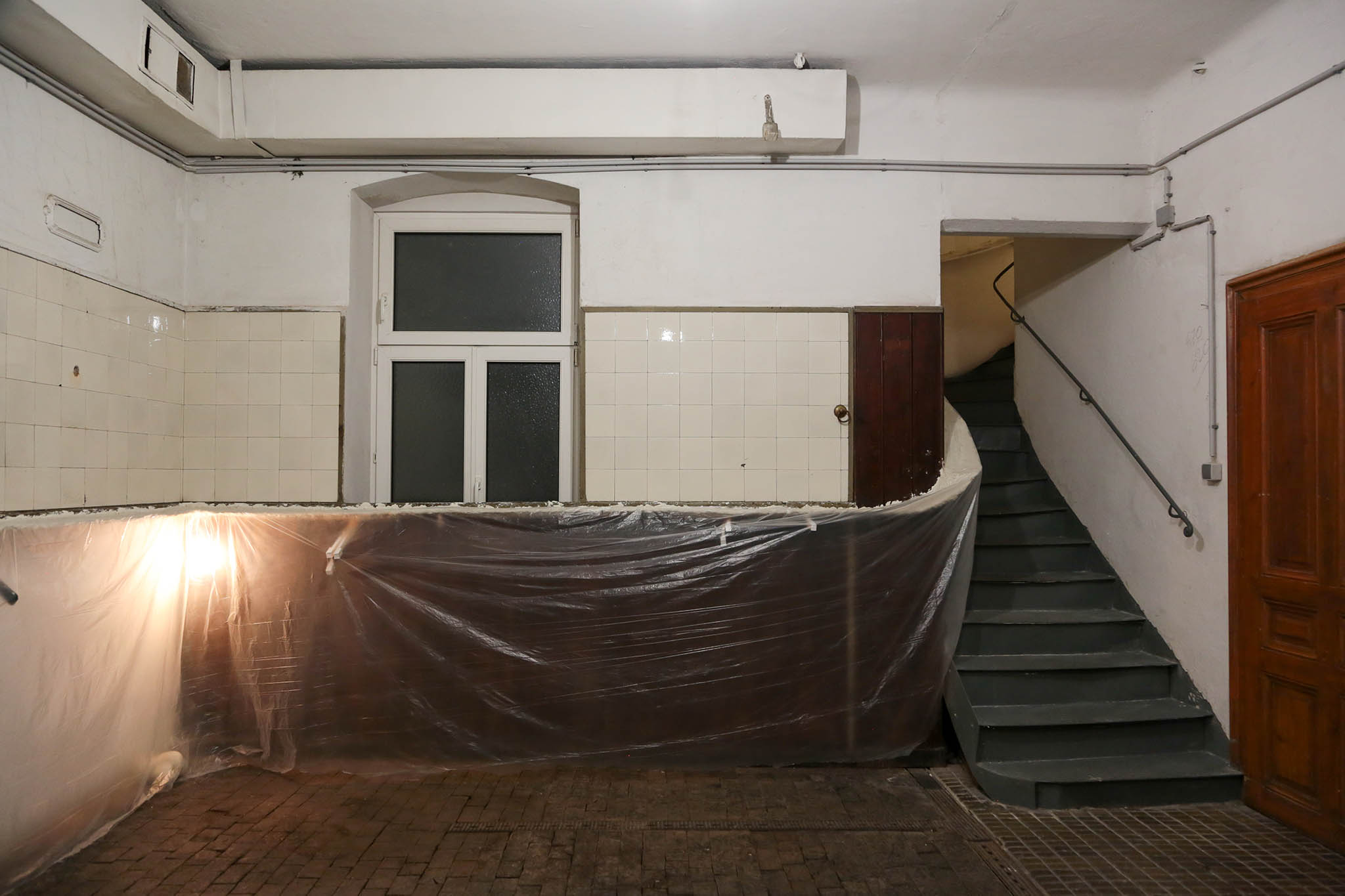
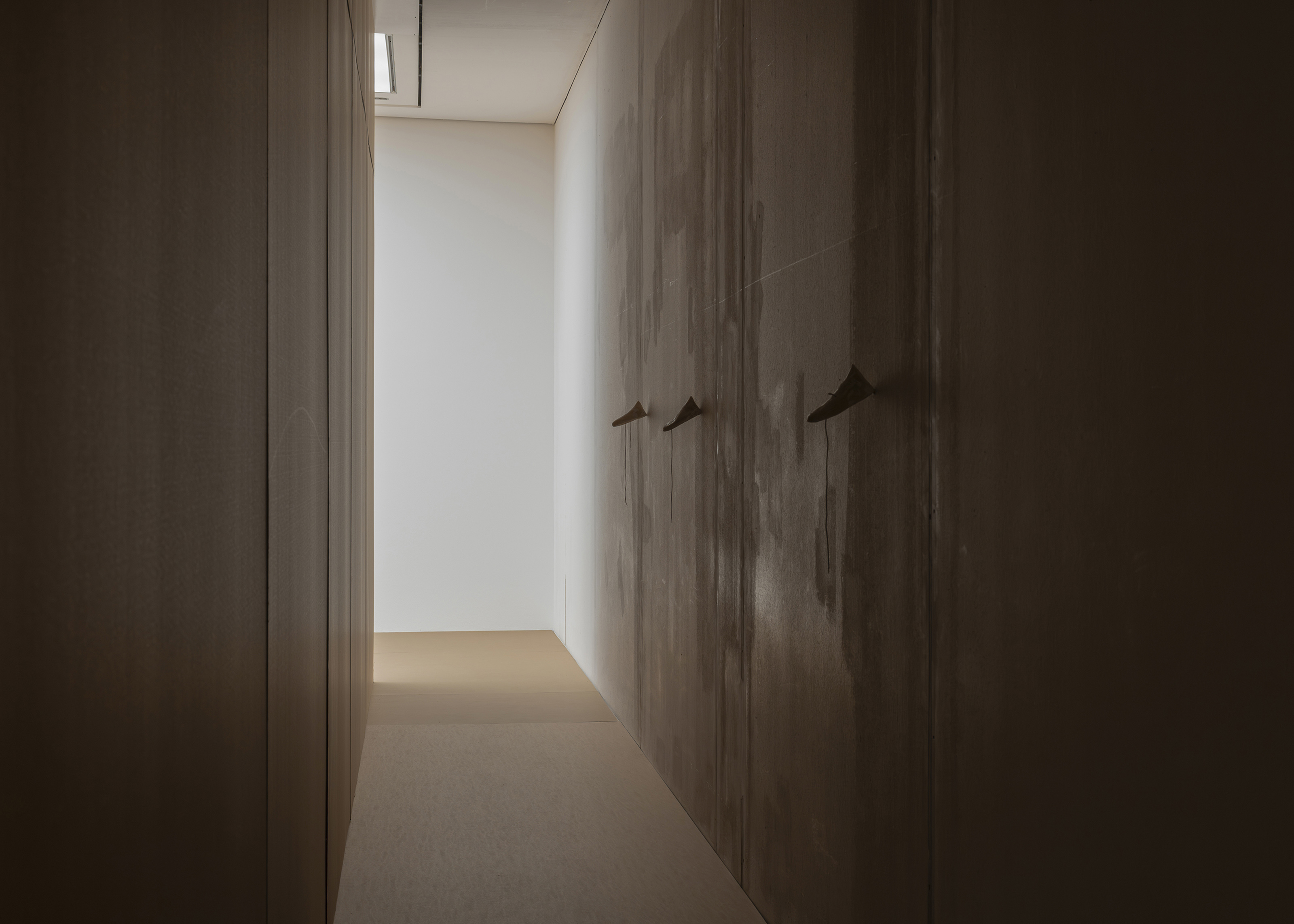
— what if you enter a space
— what if you exit
— and re-enter
— what if up and down fold into one surface
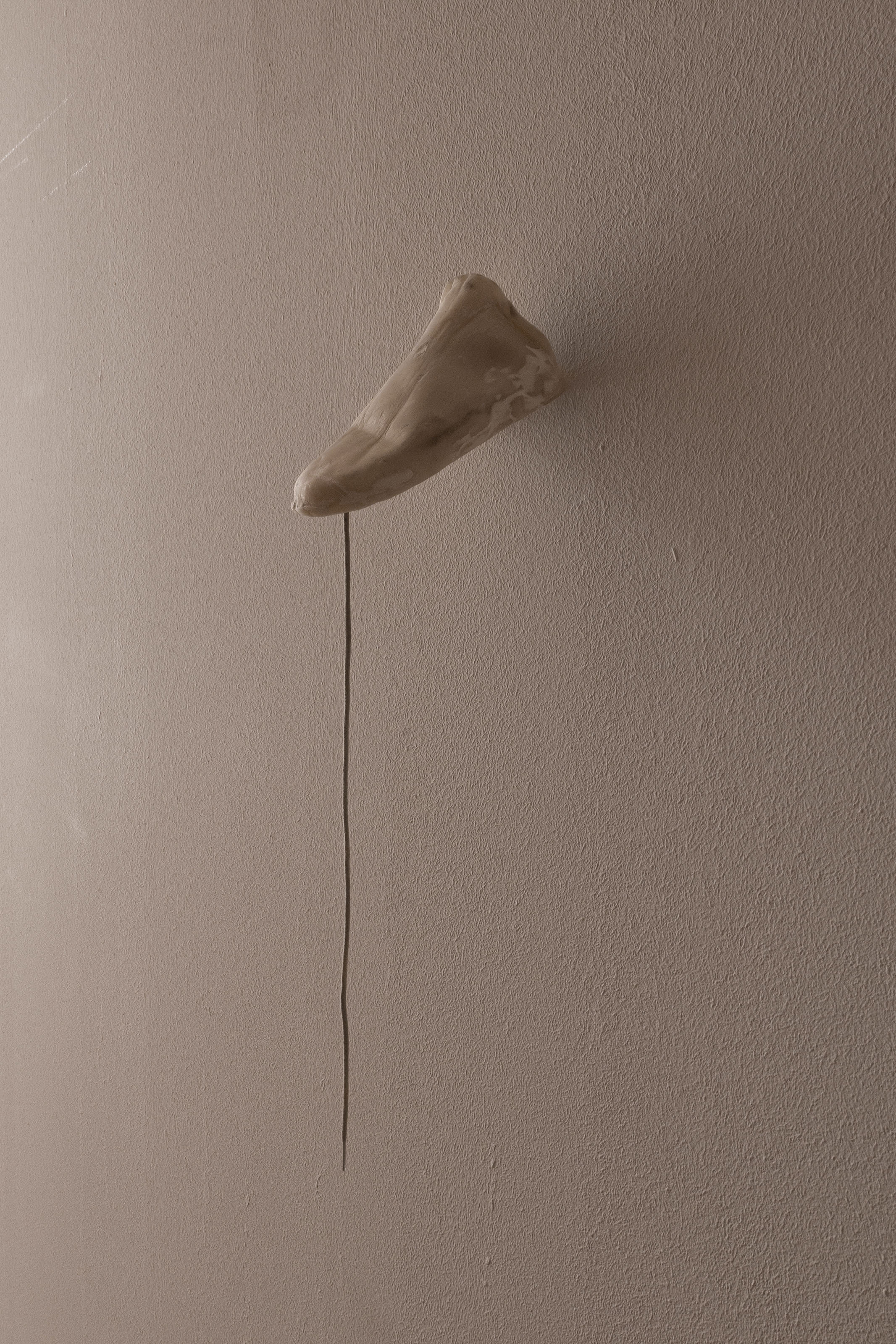
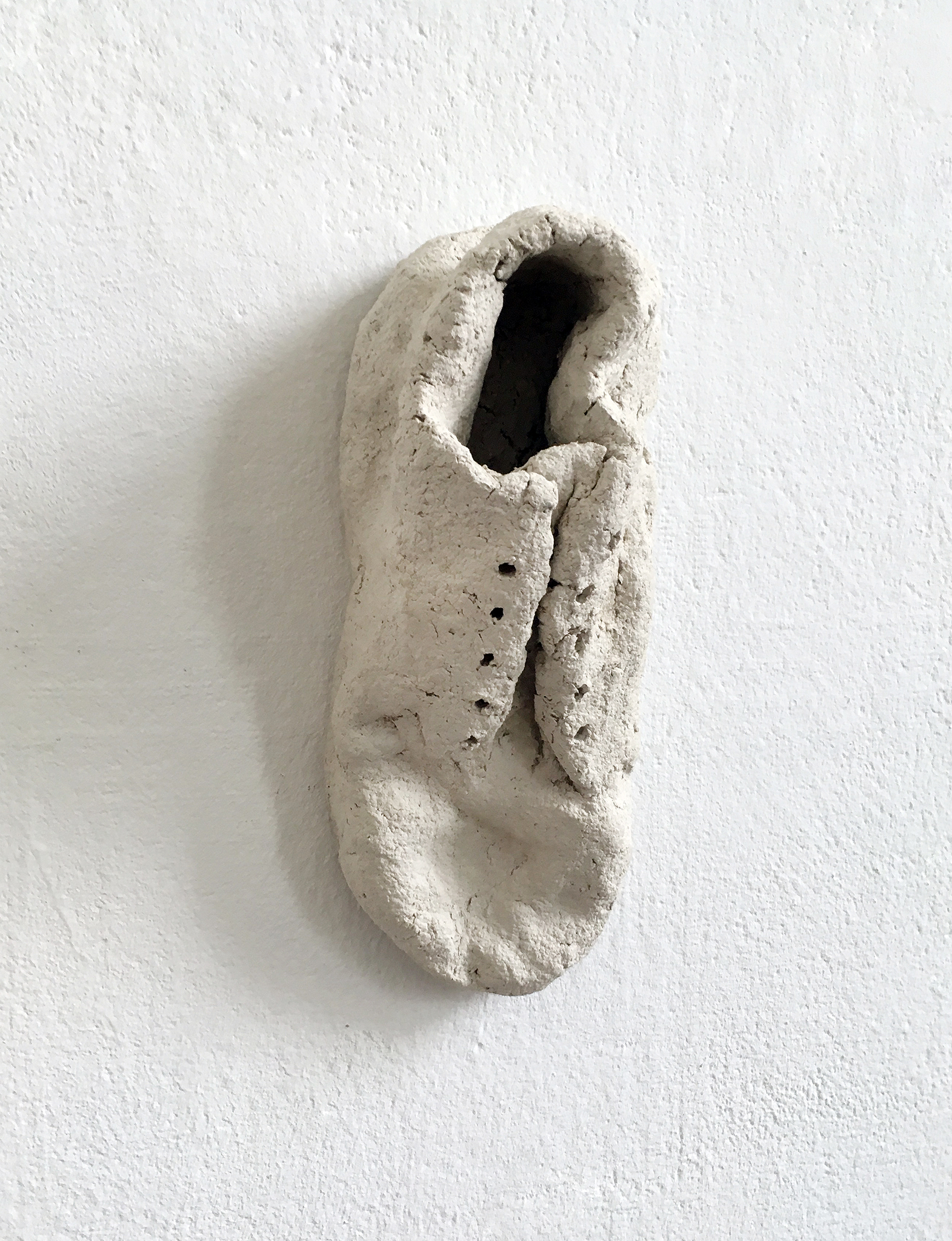
— your shoe is broken
— your shoelace is loose
— undone
— what if you enter a space, and stay
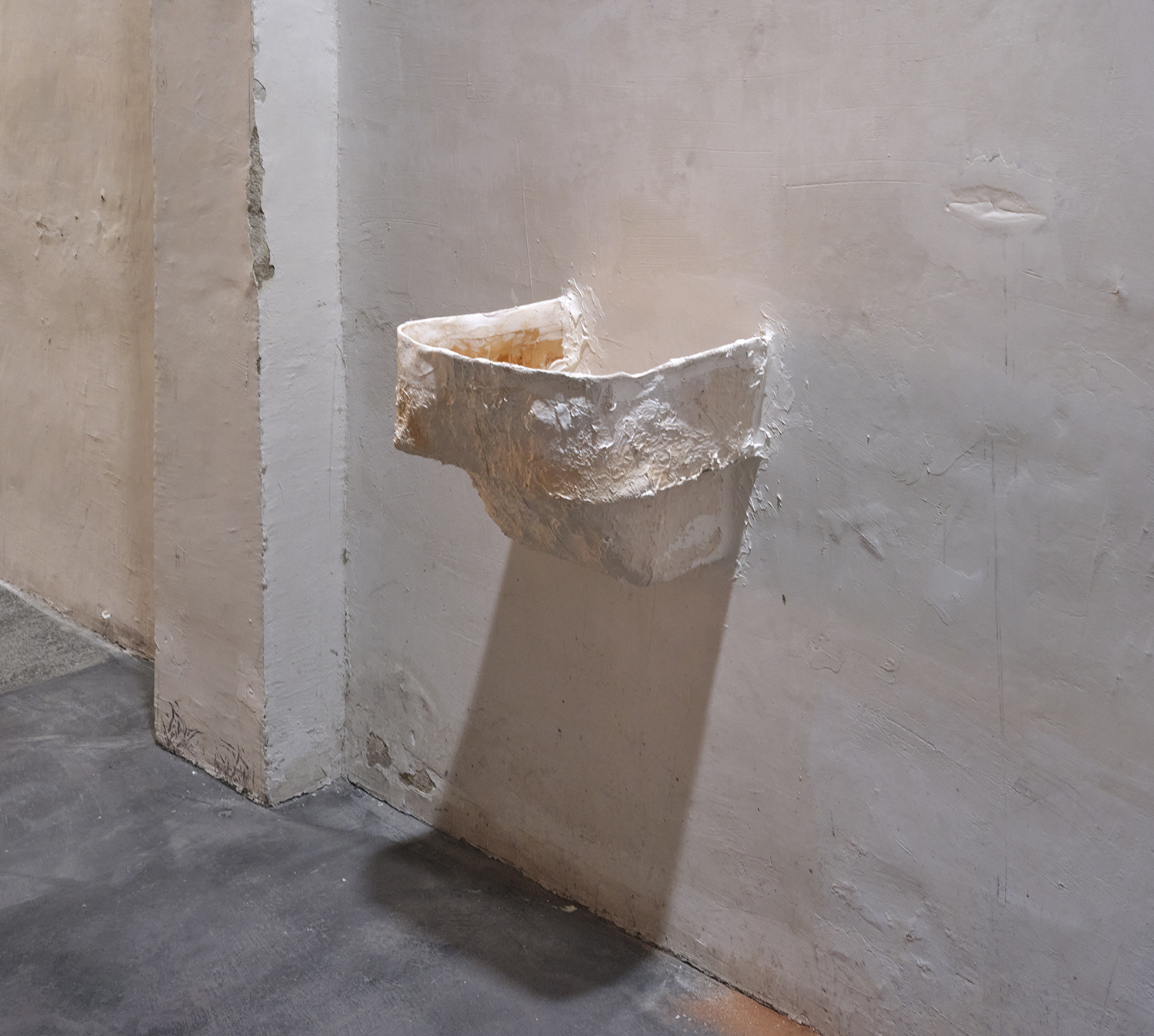
— your walls are falling apart
— crumbling
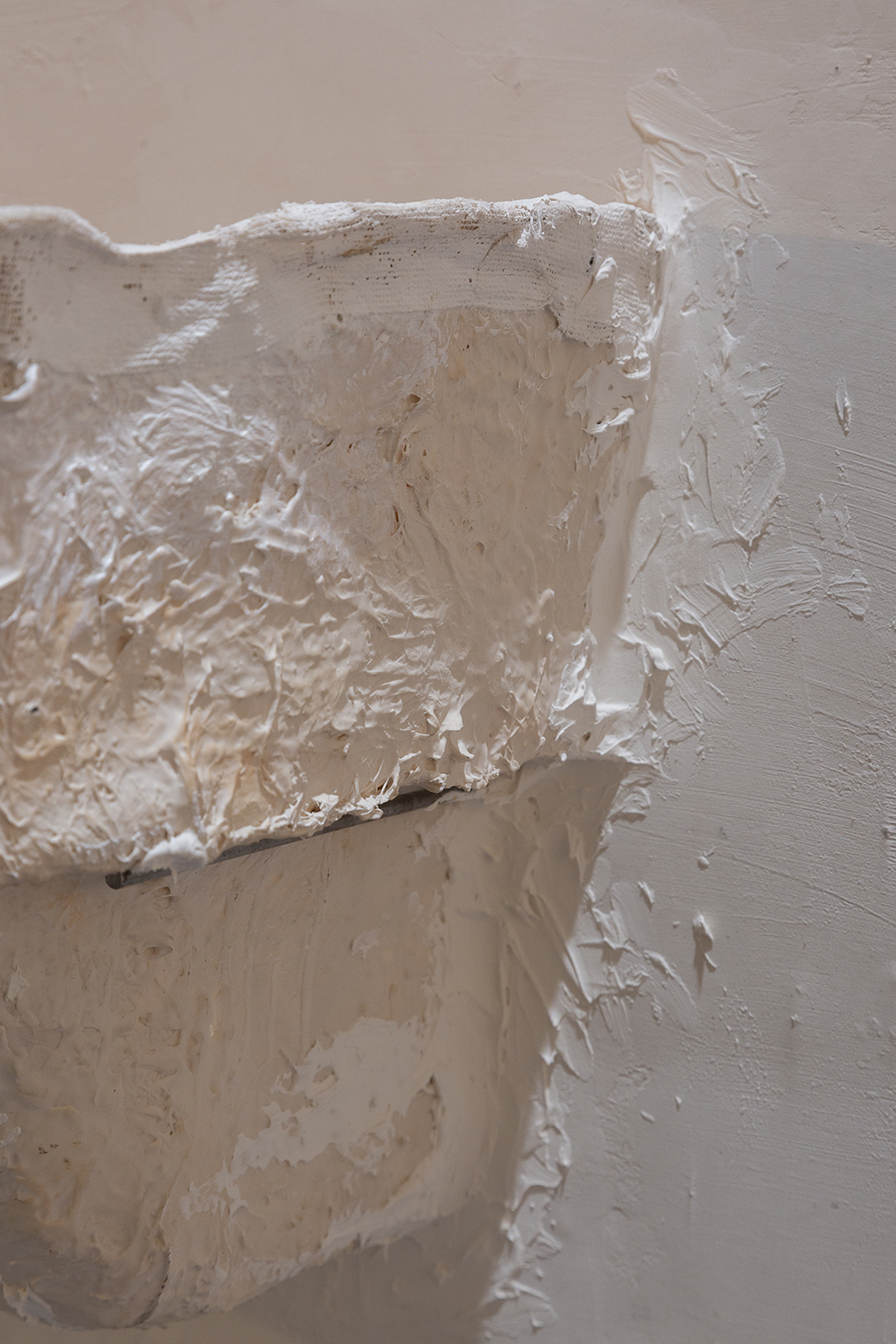
— what if you scrape the loose plaster with your finger
— what if it gathers tight beneath your nail, hurting a little
— what if the paint is still wet
— dripping
— what if you leave fingerprints everywhere
— staining
— tracing
— what if you point out key moments
[Read more]
— what if you exit
— and re-enter
— what if up and down fold into one surface
— your shoe is broken
— your shoelace is loose
— undone
— what if you enter a space, and stay
— your walls are falling apart
— crumbling
— what if you scrape the loose plaster with your finger
— what if it gathers tight beneath your nail, hurting a little
— what if the paint is still wet
— dripping
— what if you leave fingerprints everywhere
— staining
— tracing
— what if you point out key moments
[Read more]
014.
Solo exhibition at Kestner Gesellschaft
Hannover, Germany
Curated by Alexander Wilmschen
Assistant curator, Emilia Radmacher
Full documentation and info
“thereafter”
2025Solo exhibition at Kestner Gesellschaft
Hannover, Germany
Curated by Alexander Wilmschen
Assistant curator, Emilia Radmacher
Full documentation and info
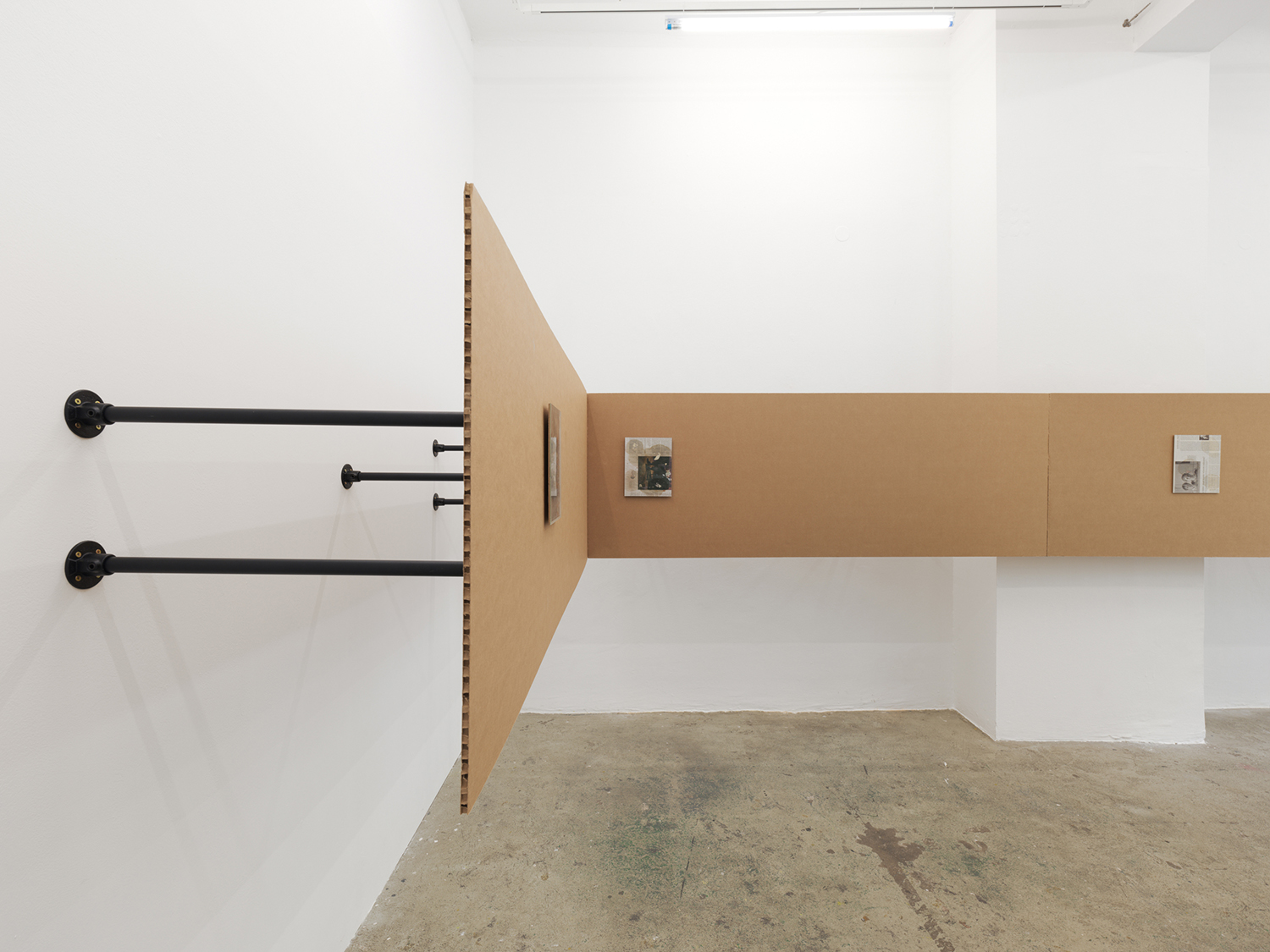
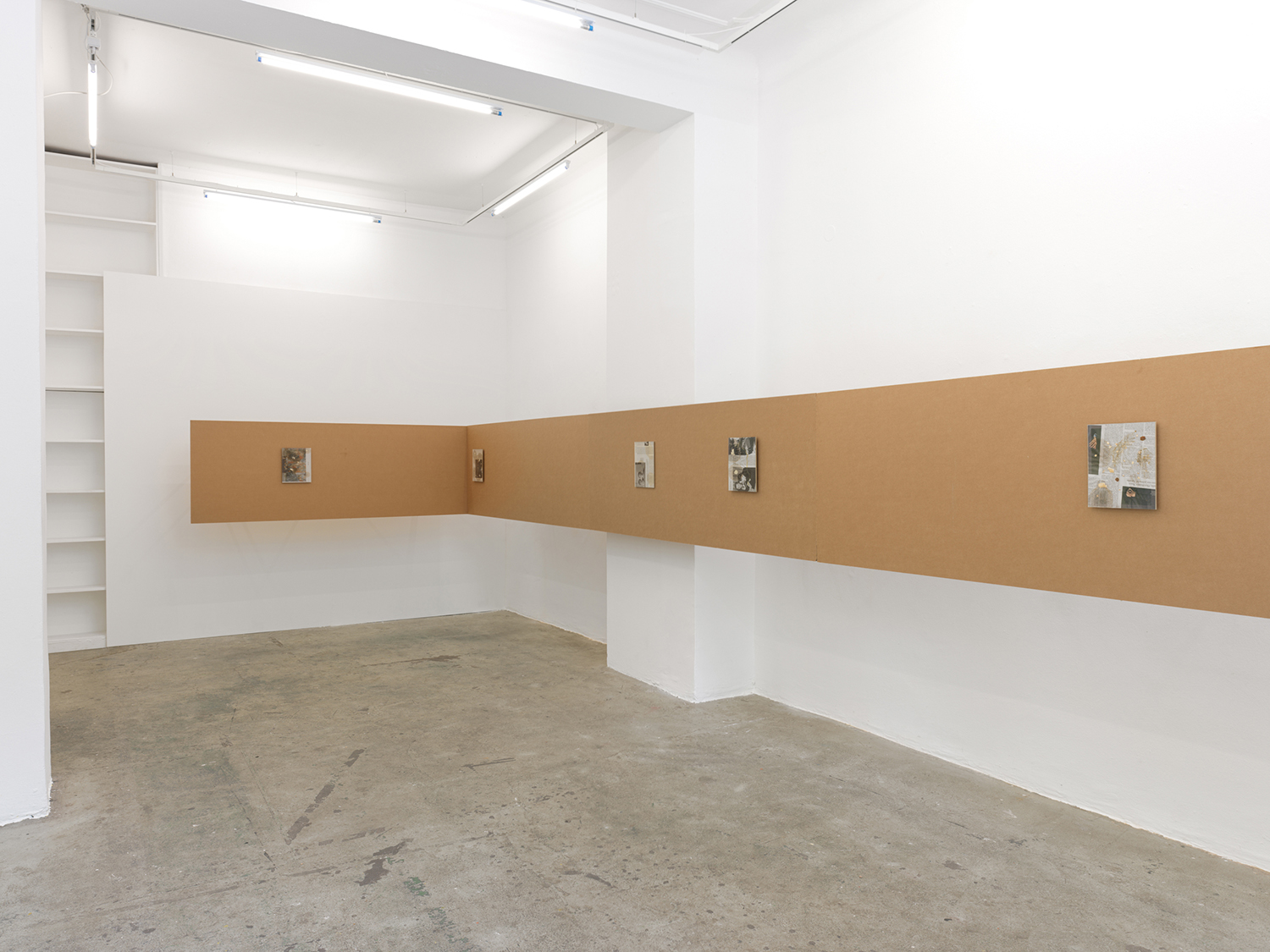
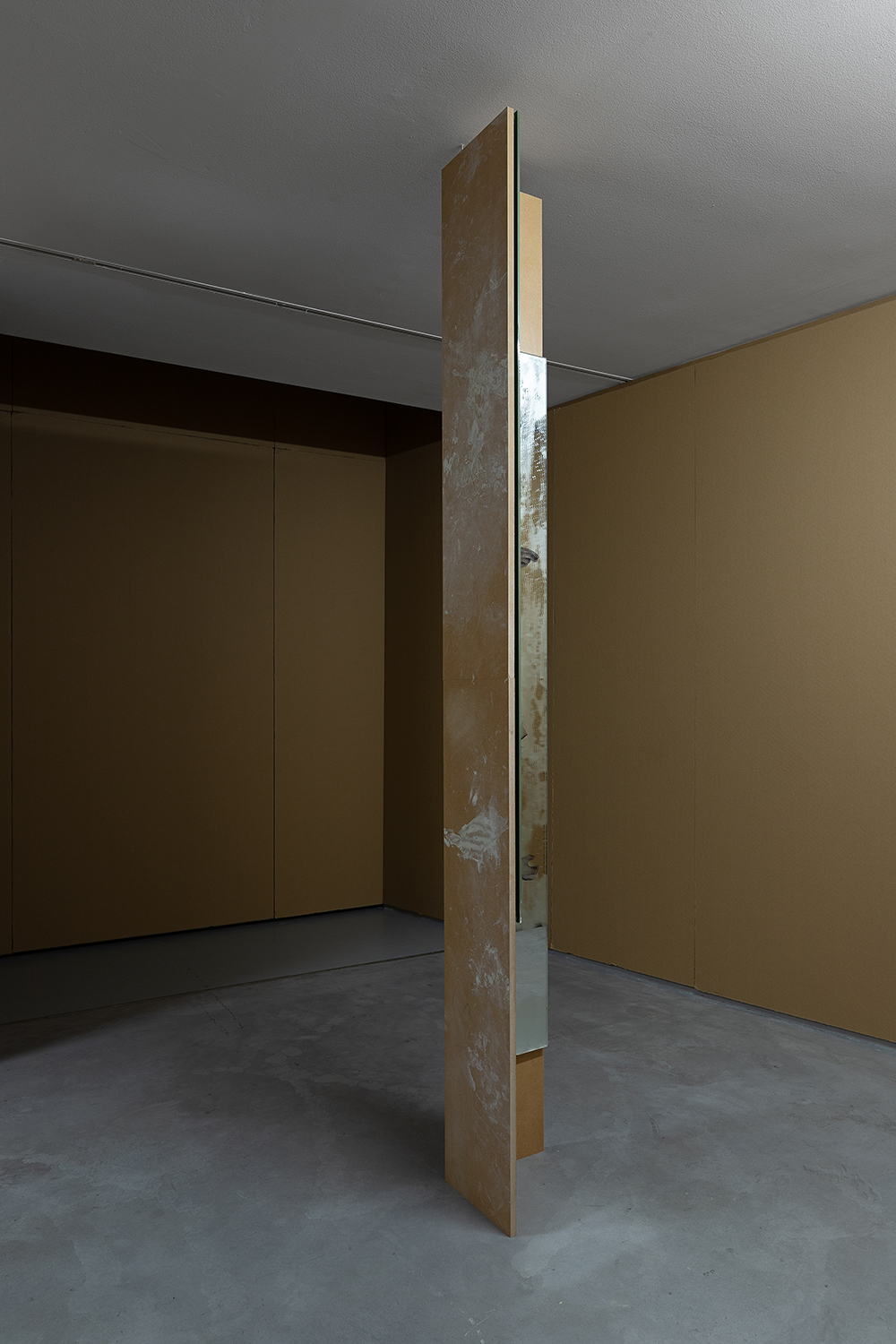
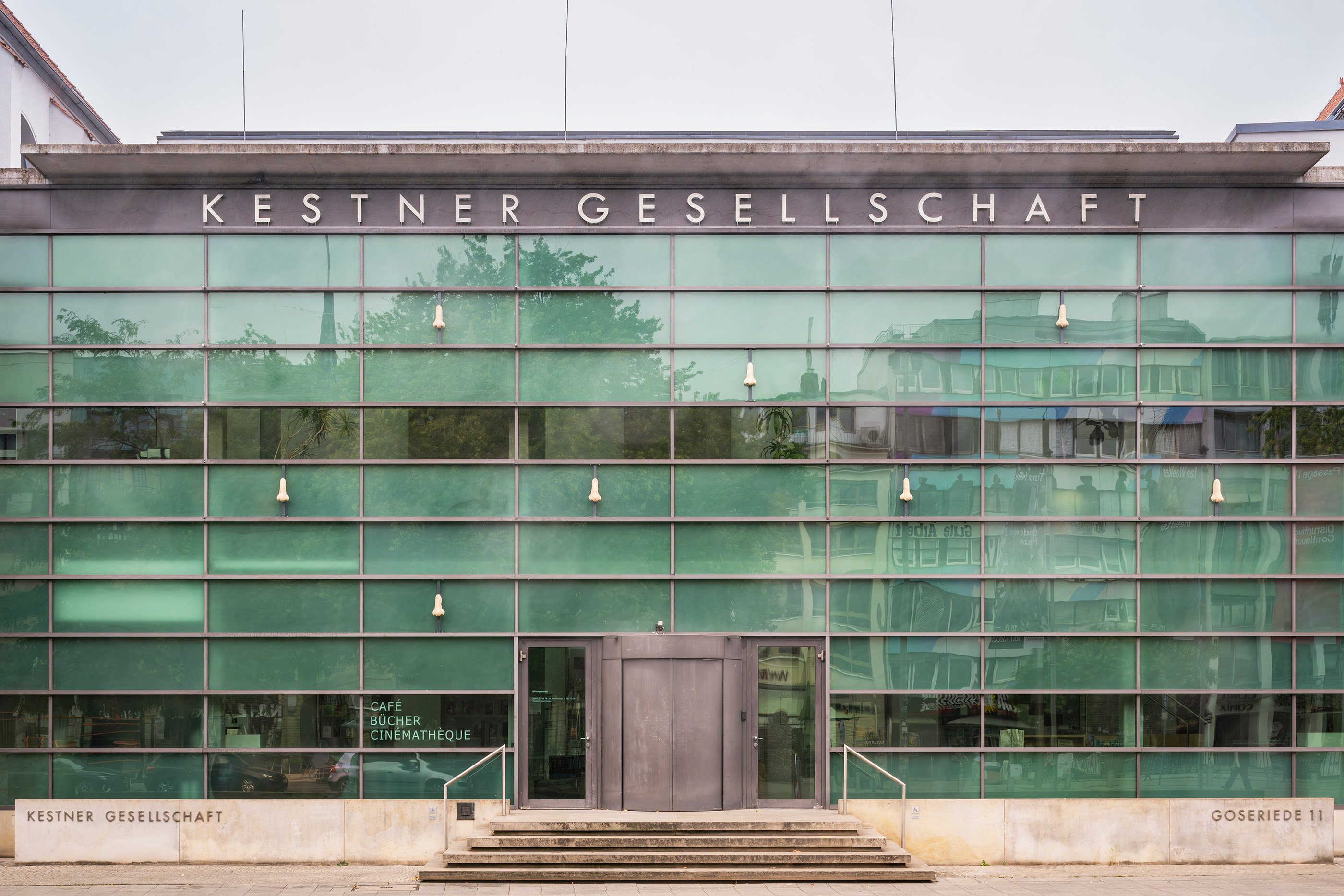
In thereafter, Ian Waelder connects the façade, atrium, and arcade hall of the Kestner Gesellschaft for the first time to form a spatial narrative between inside and outside, past and present. His works begin at the edges of the rememberable: familial traces, biographical fractures, everyday remnants – not as evidence, but as fragile carriers of a story that resists linear narration.
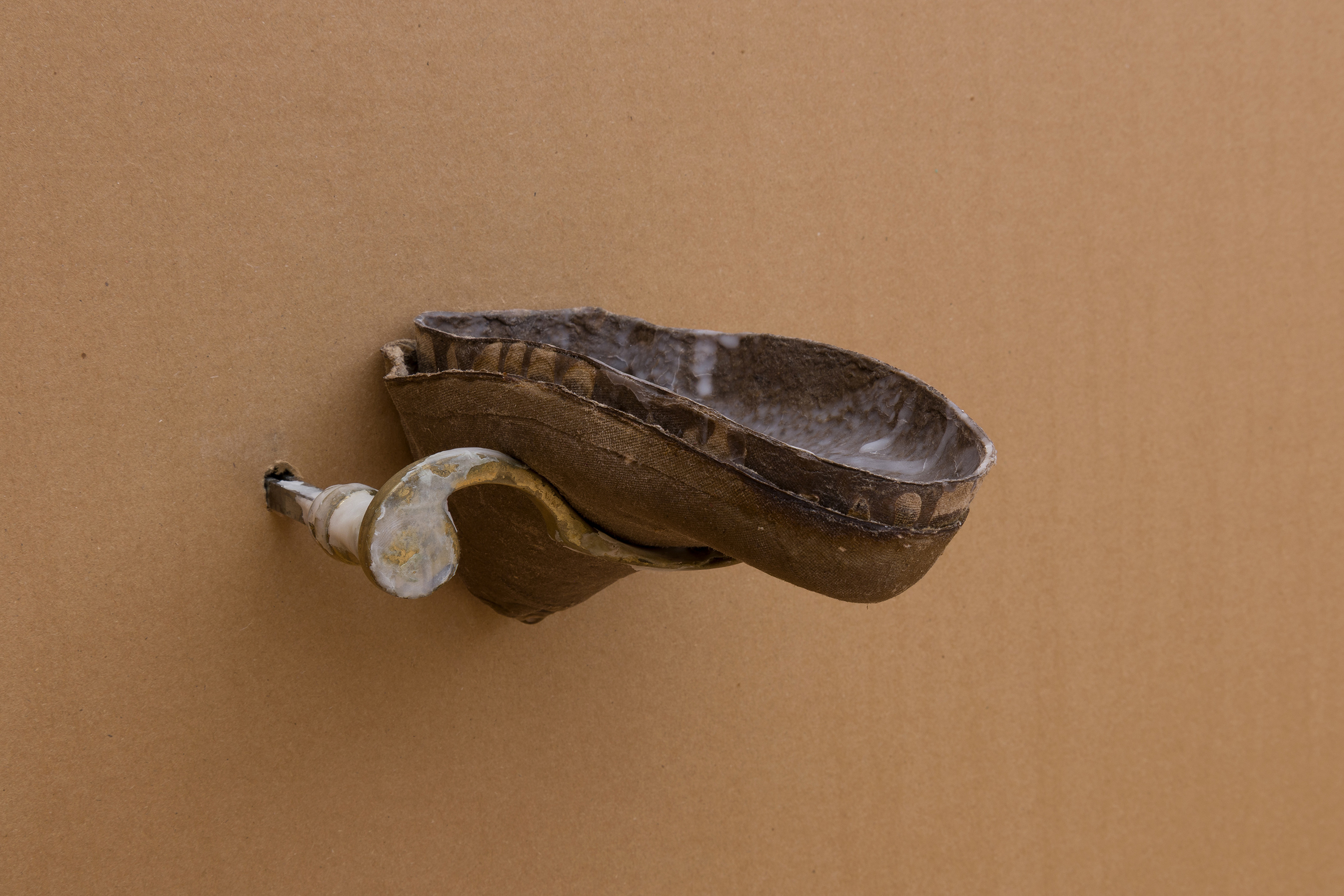
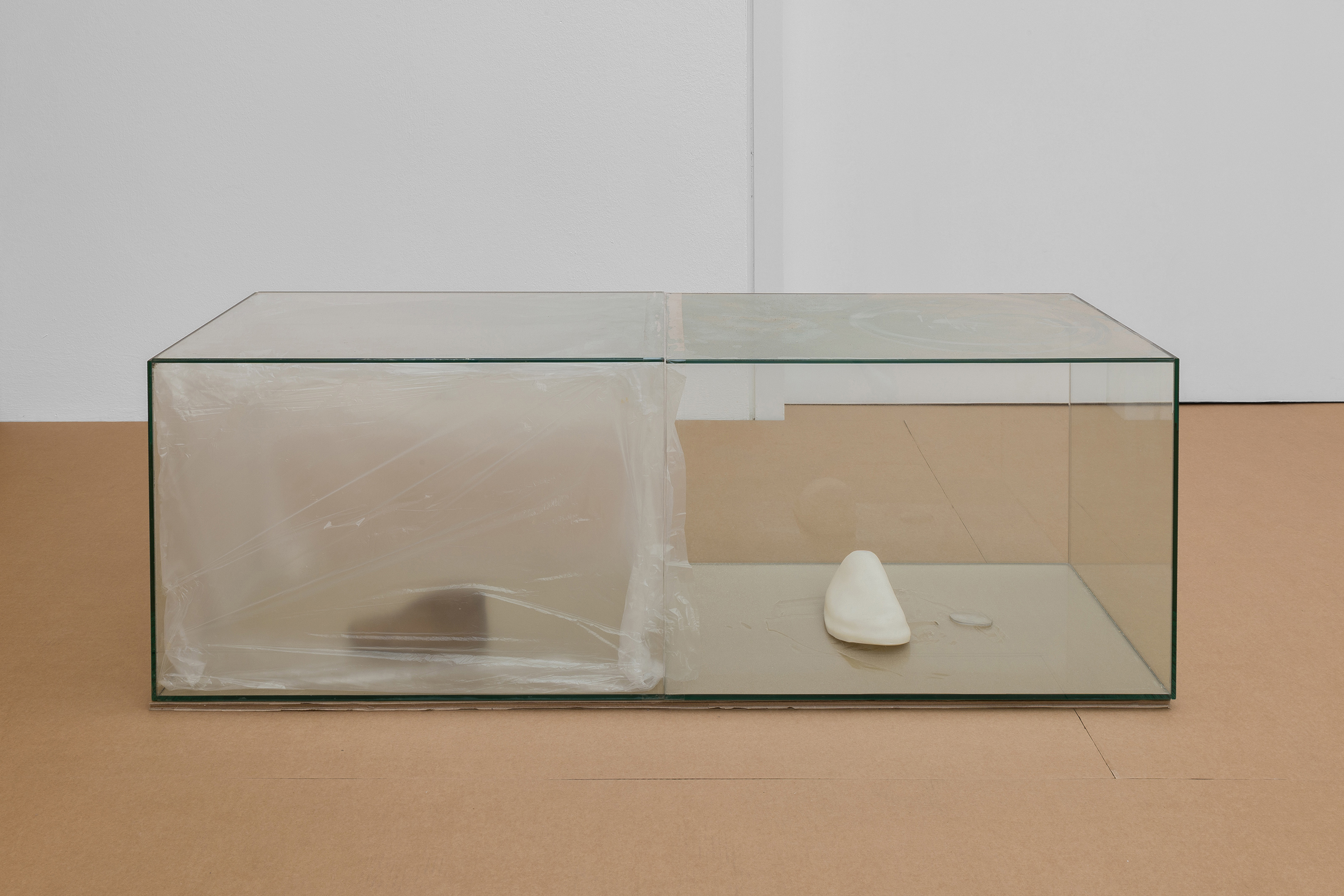
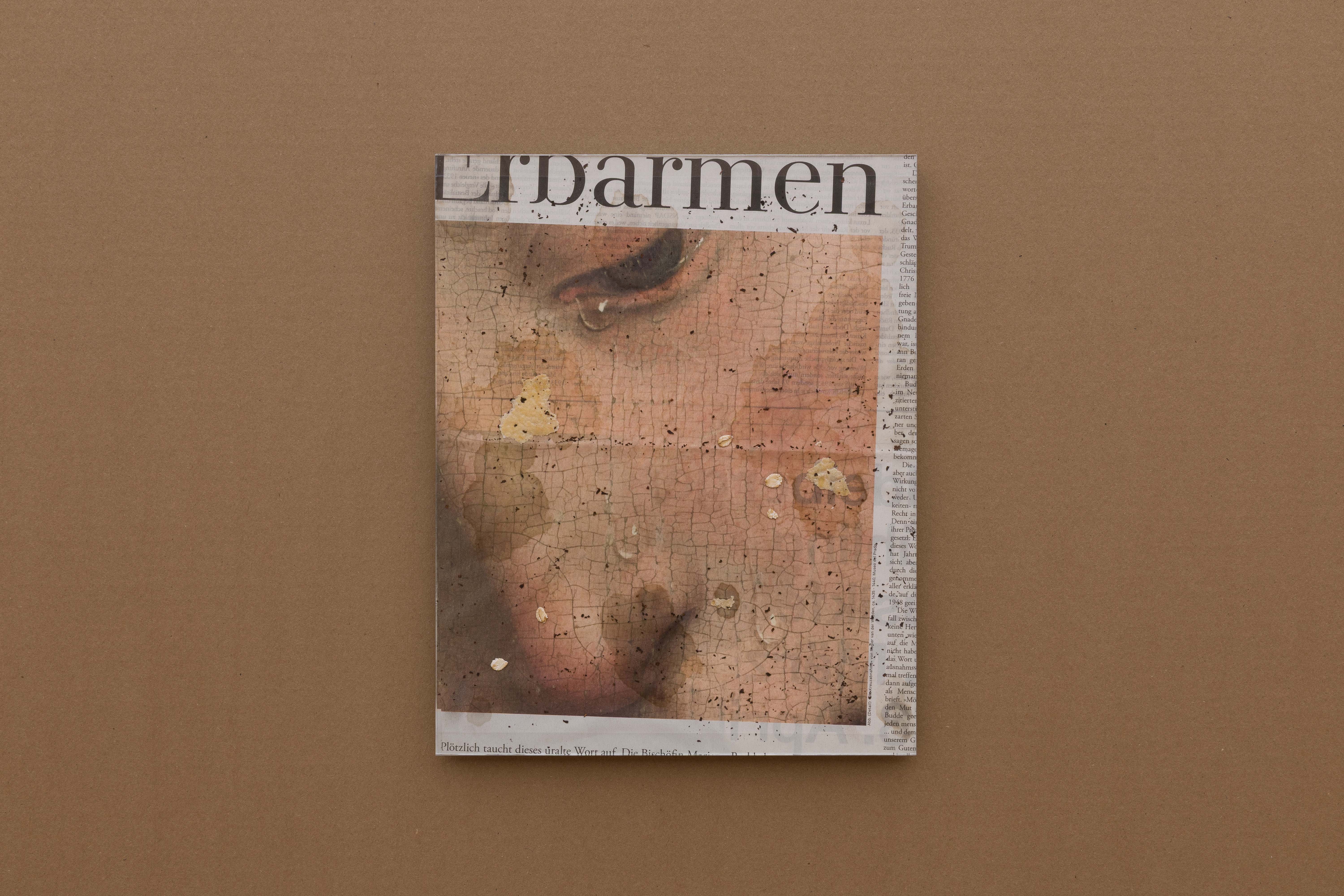
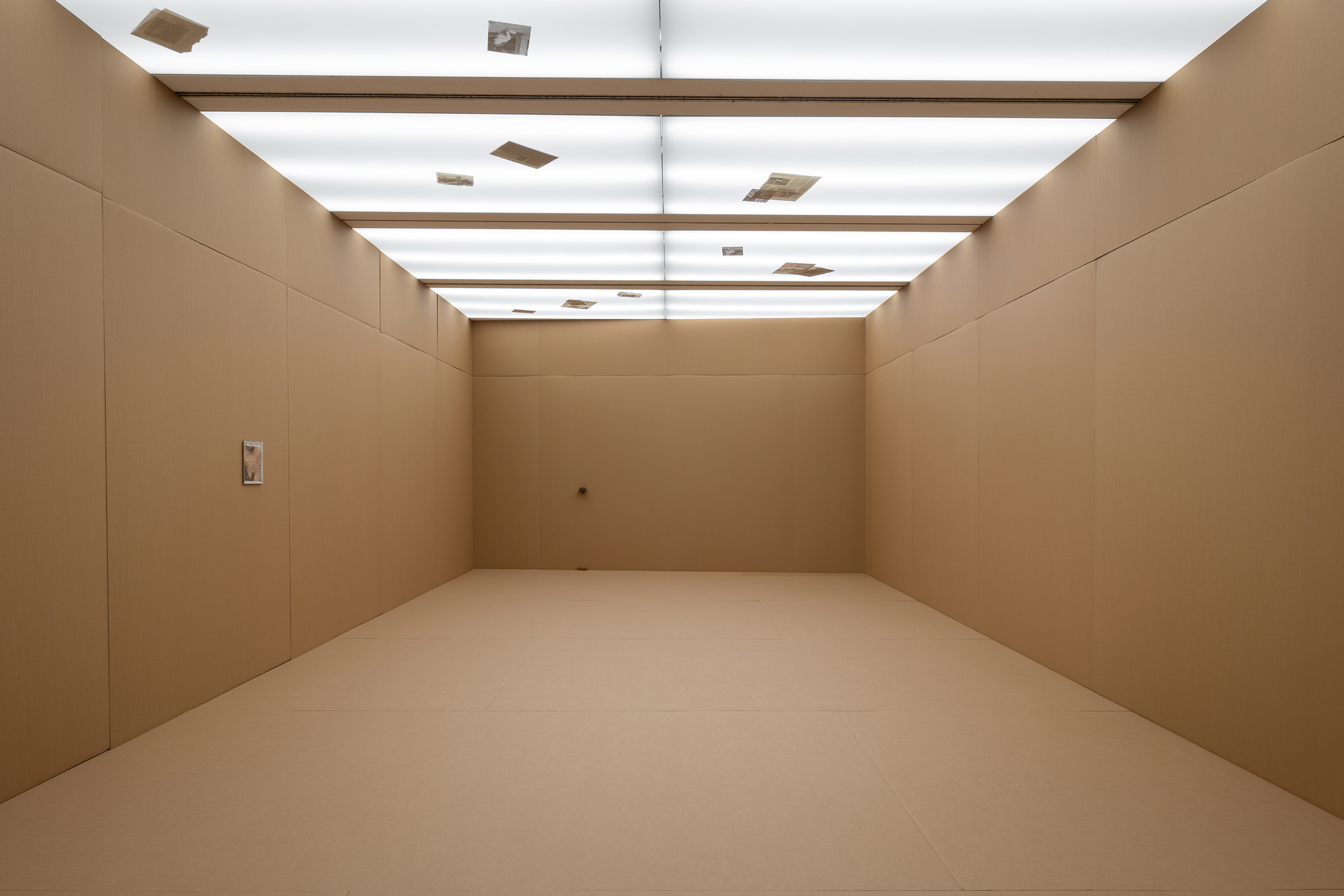
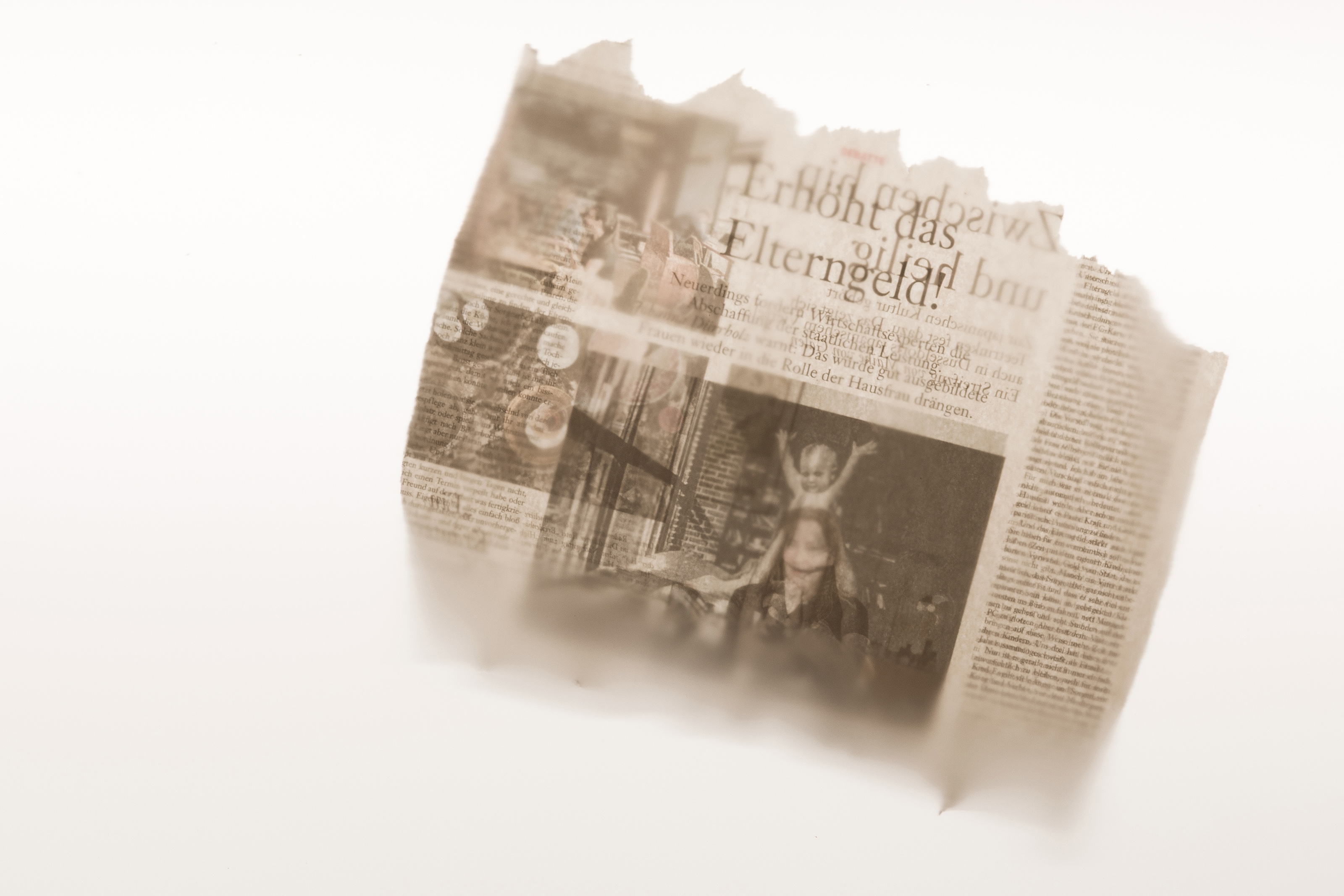
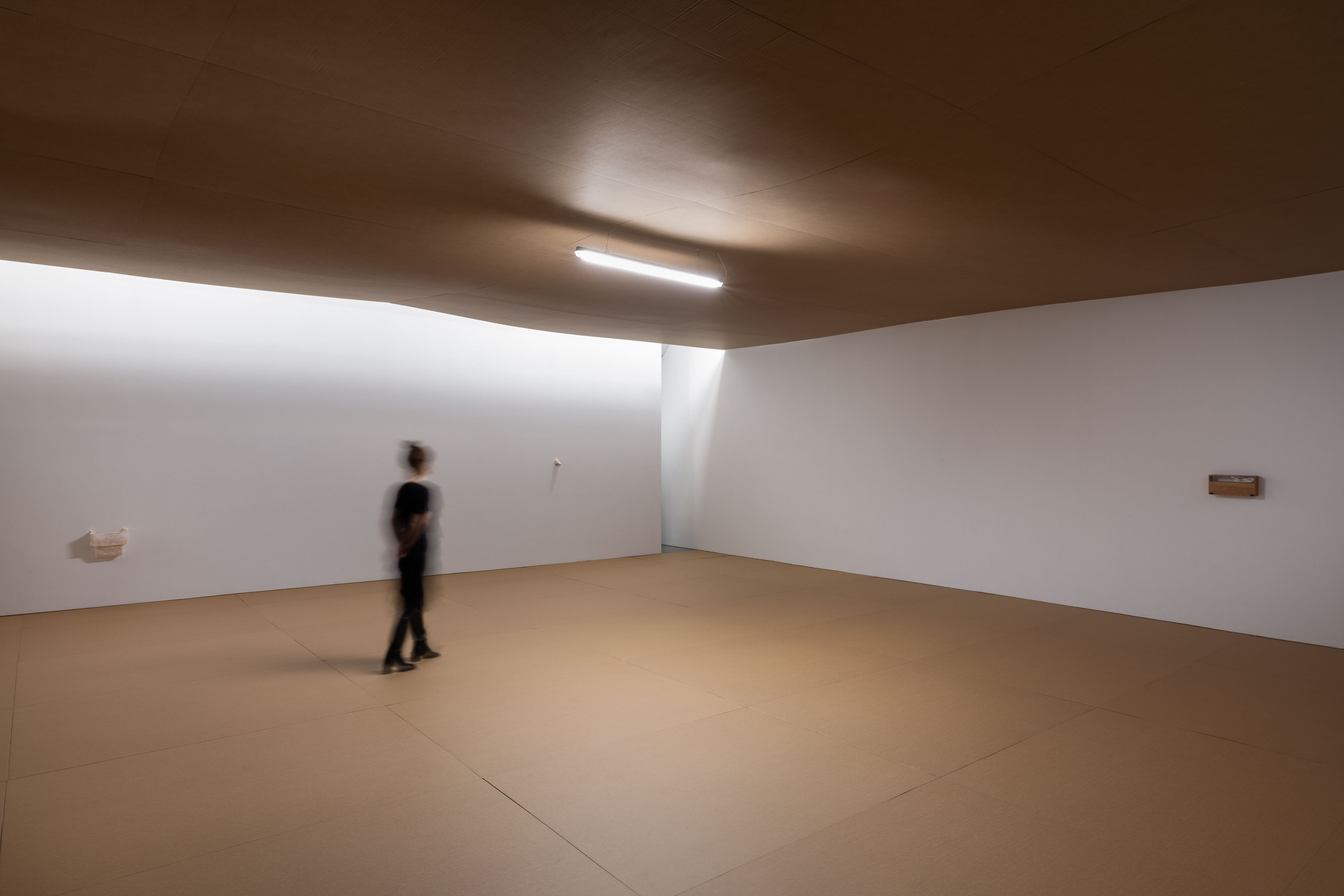
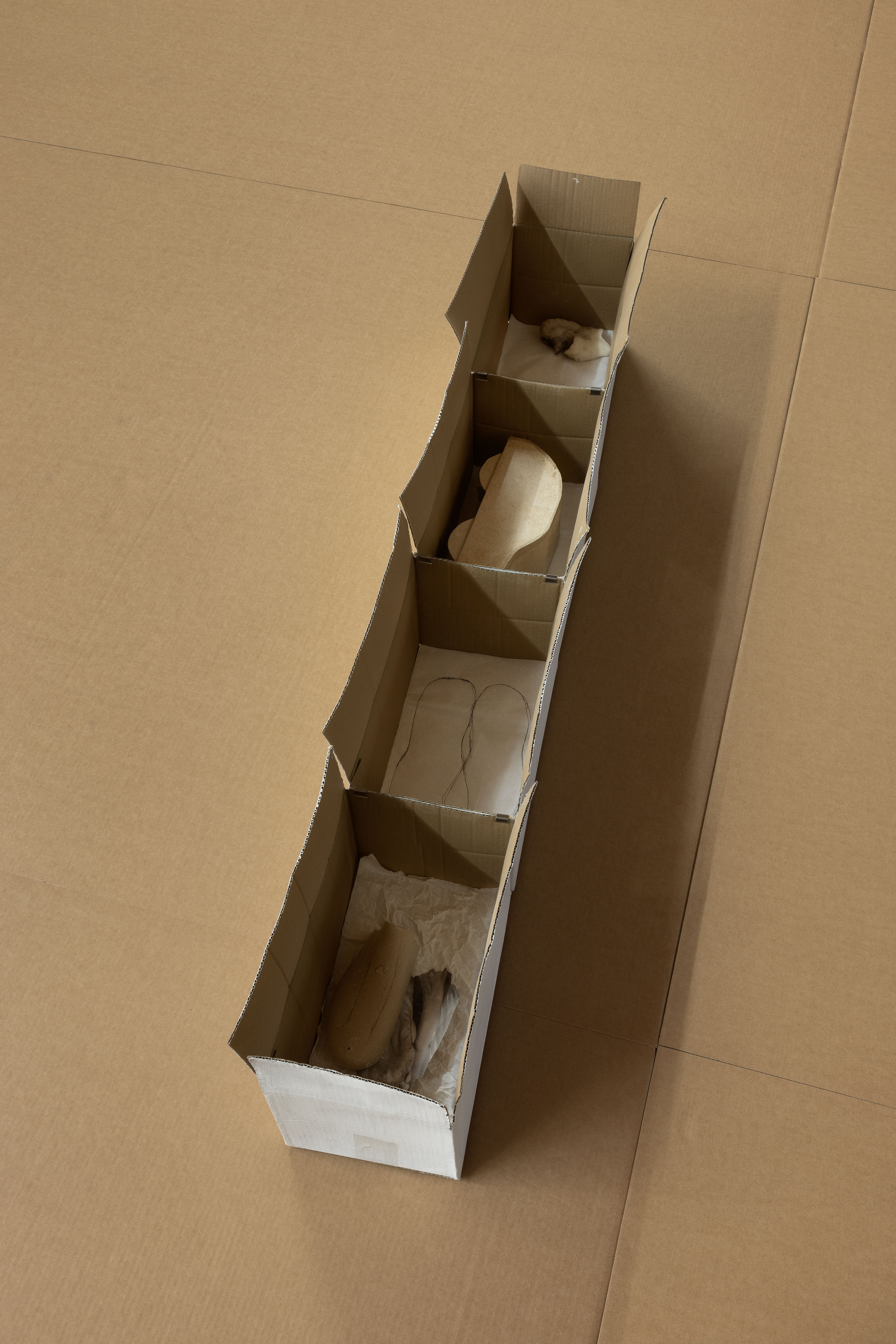
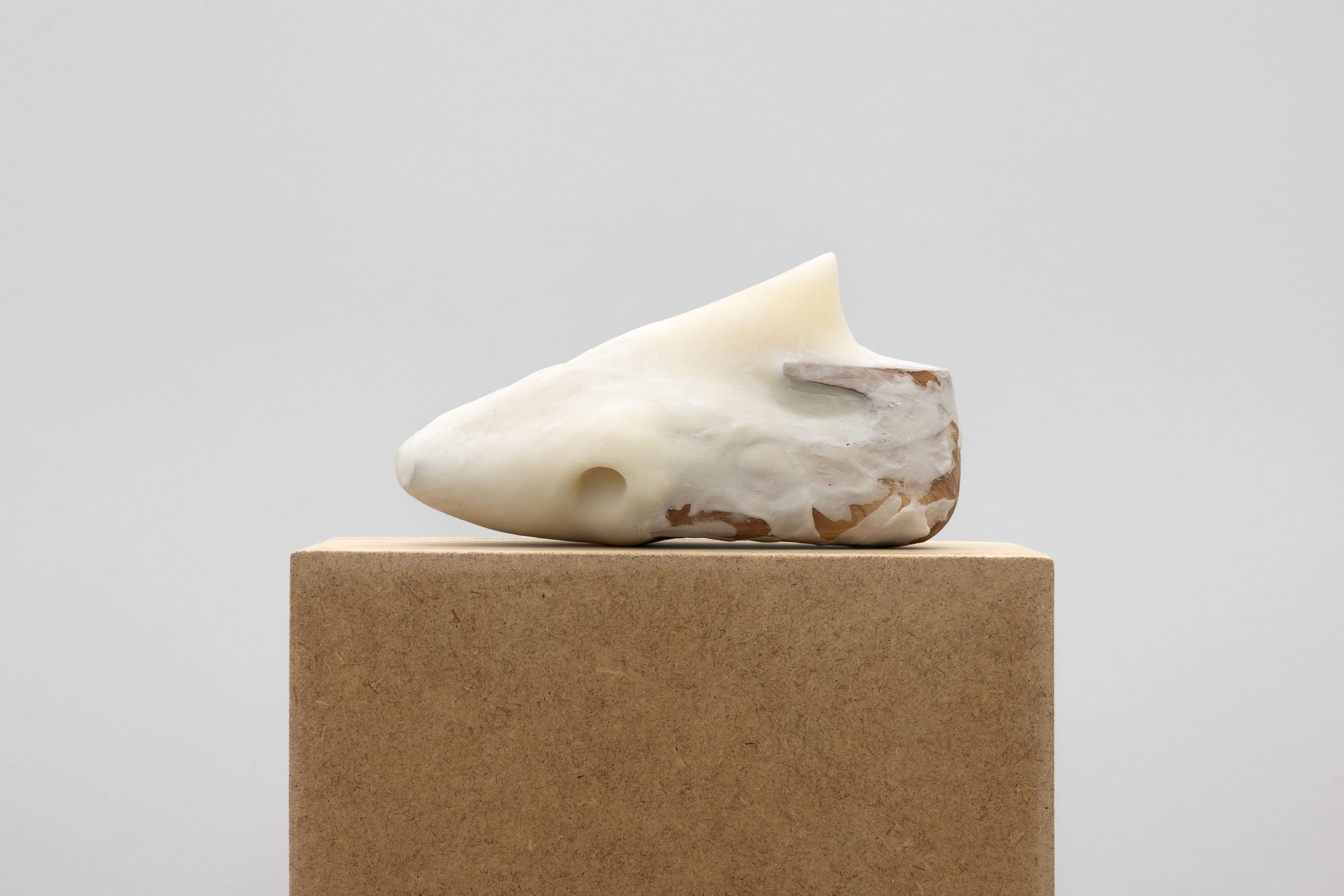
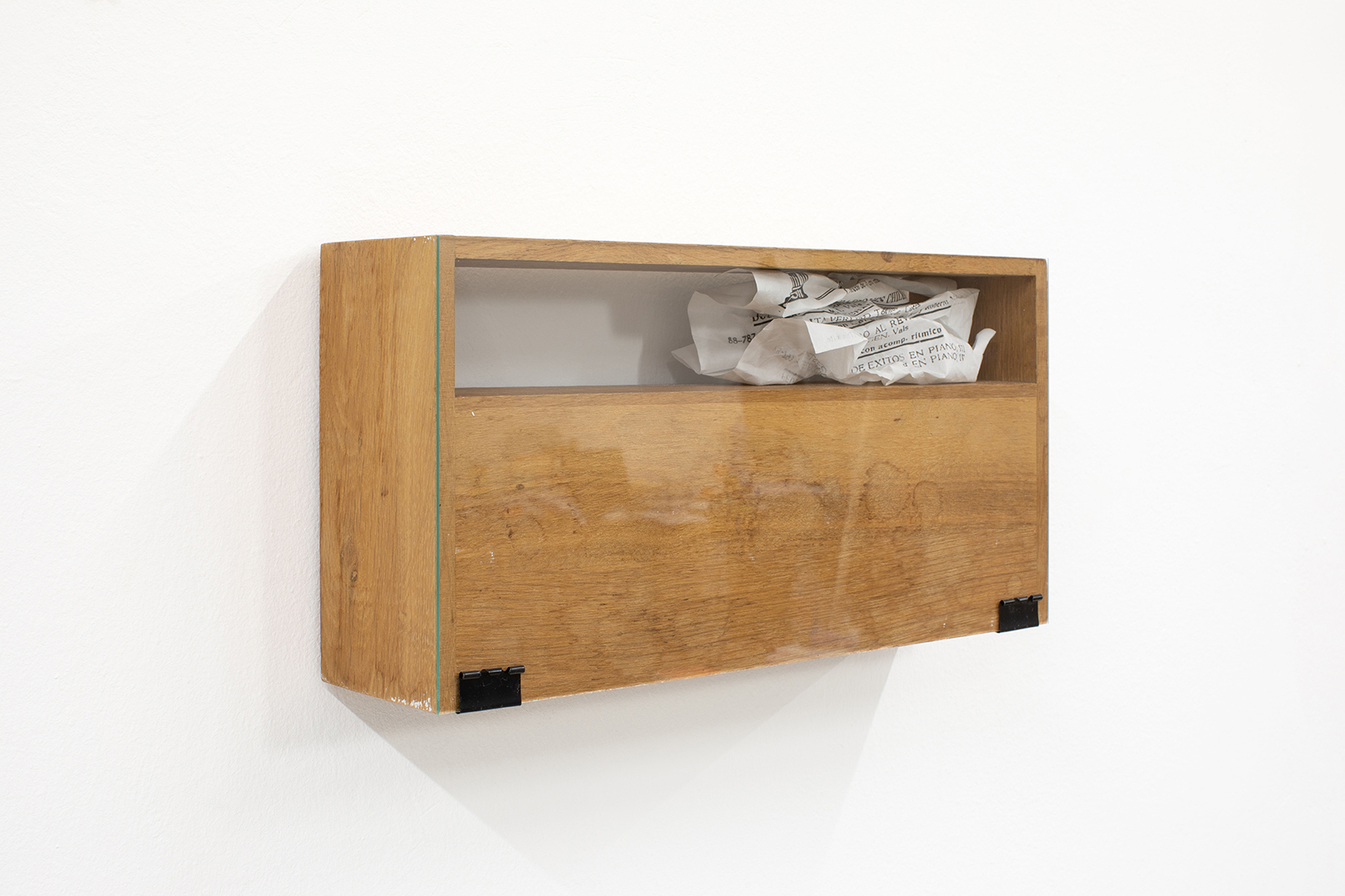
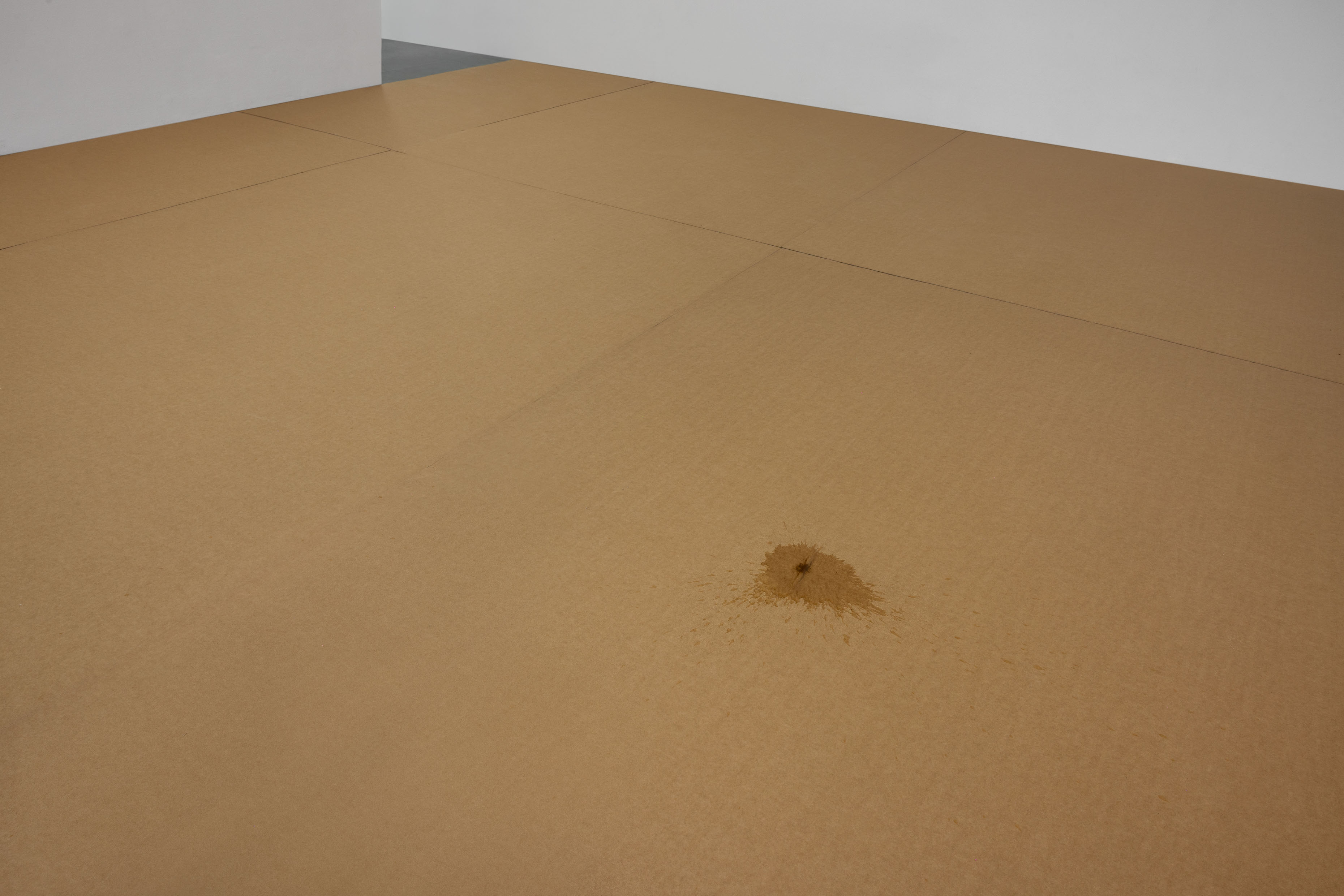
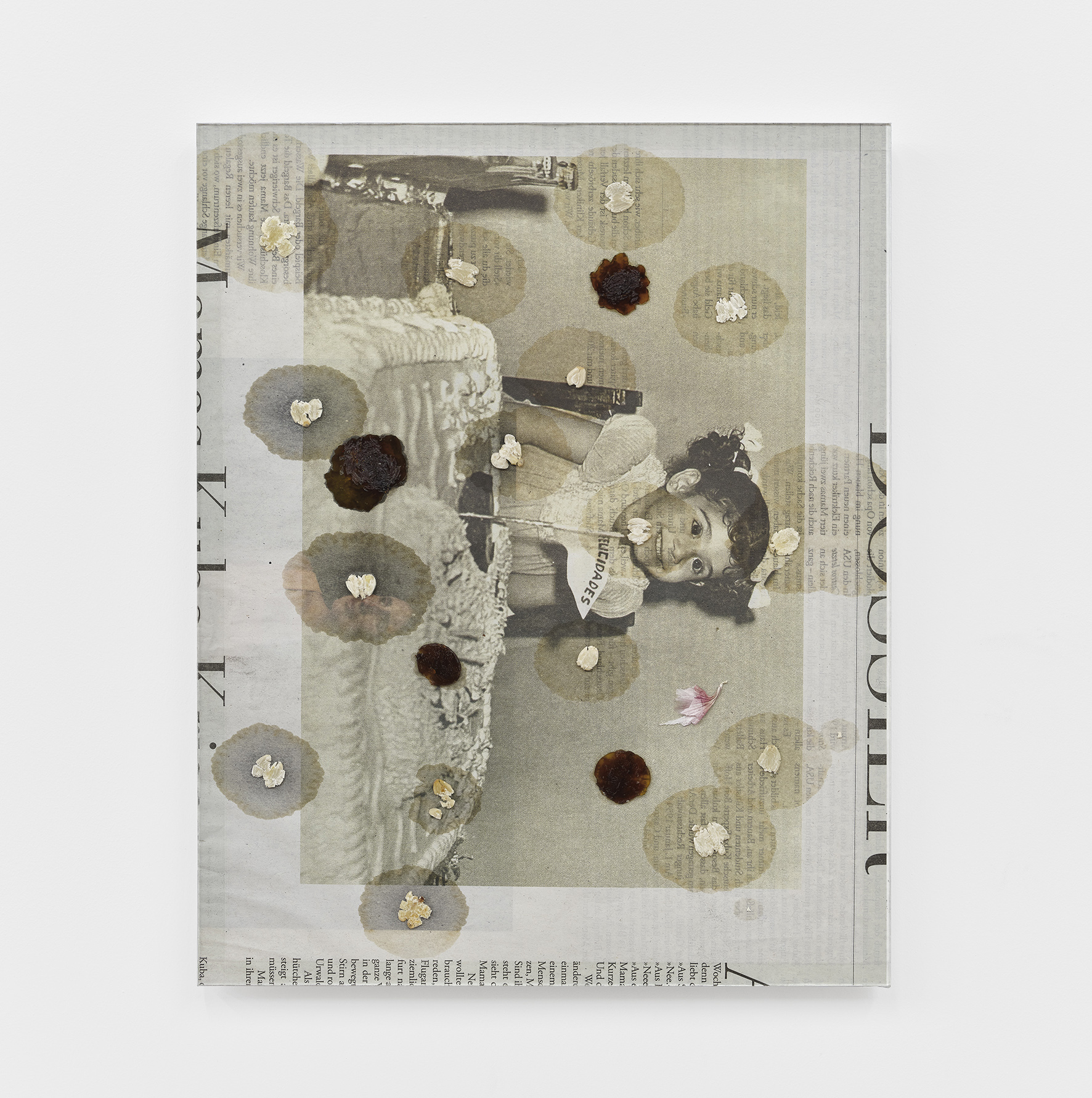
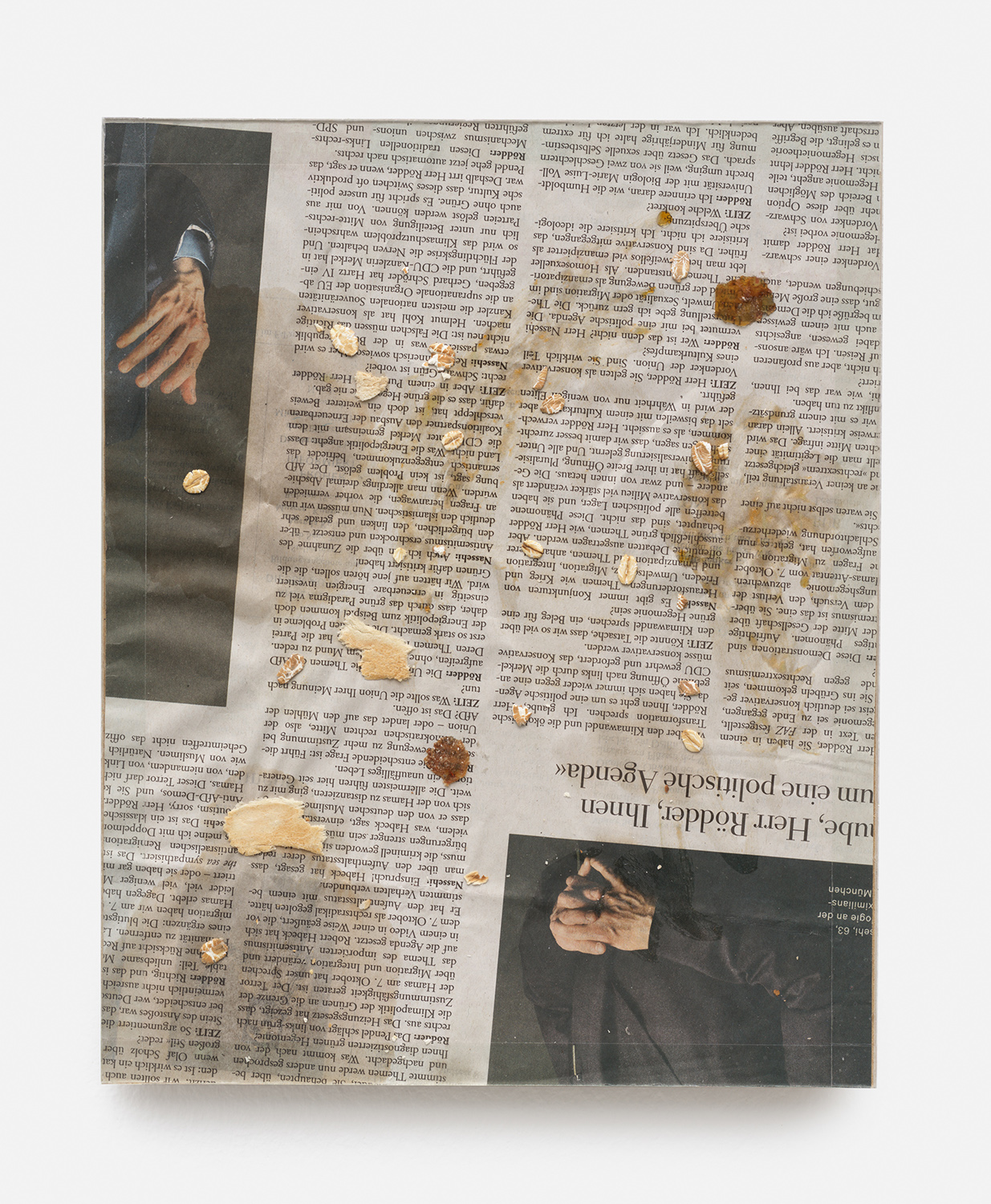
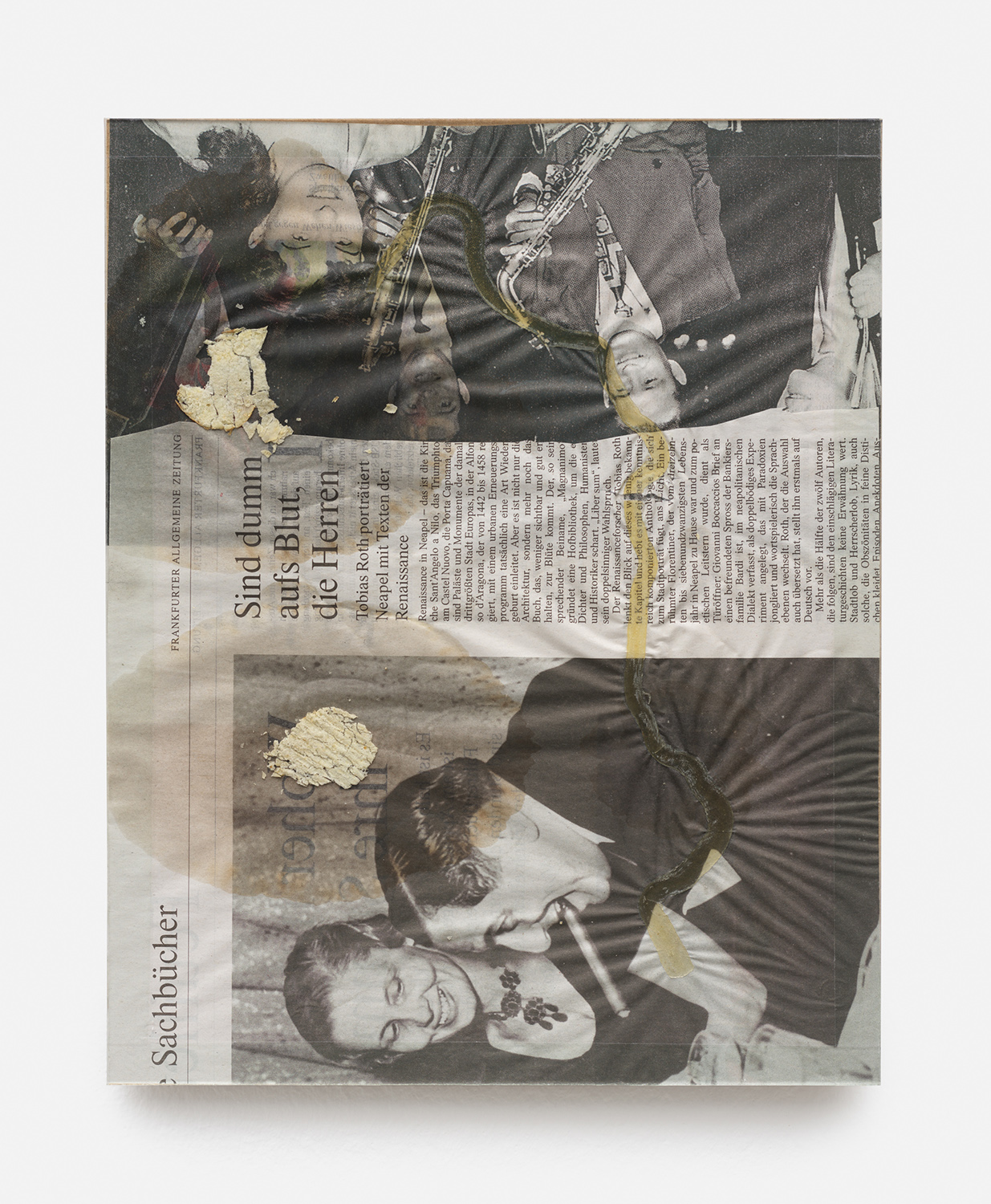
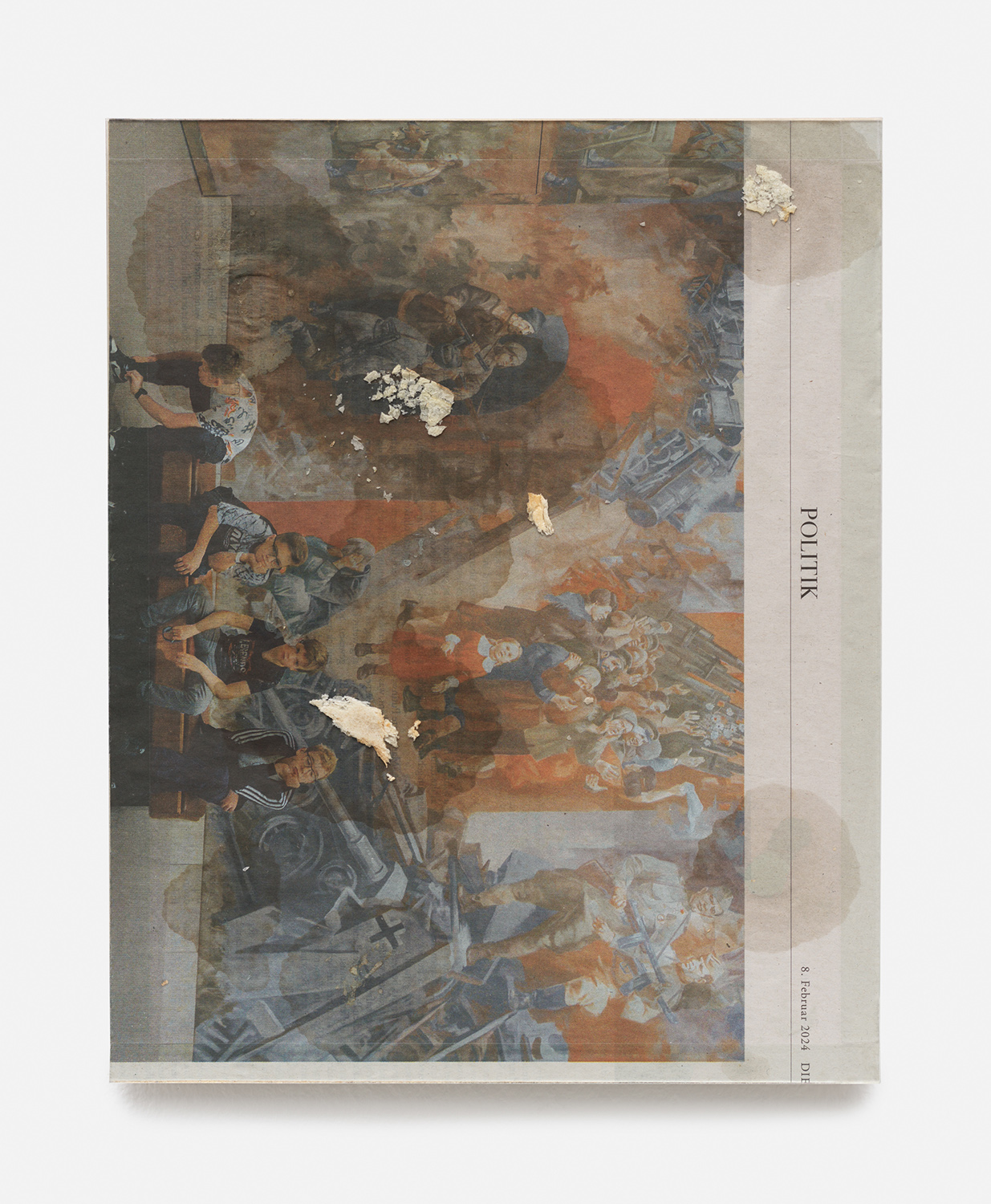
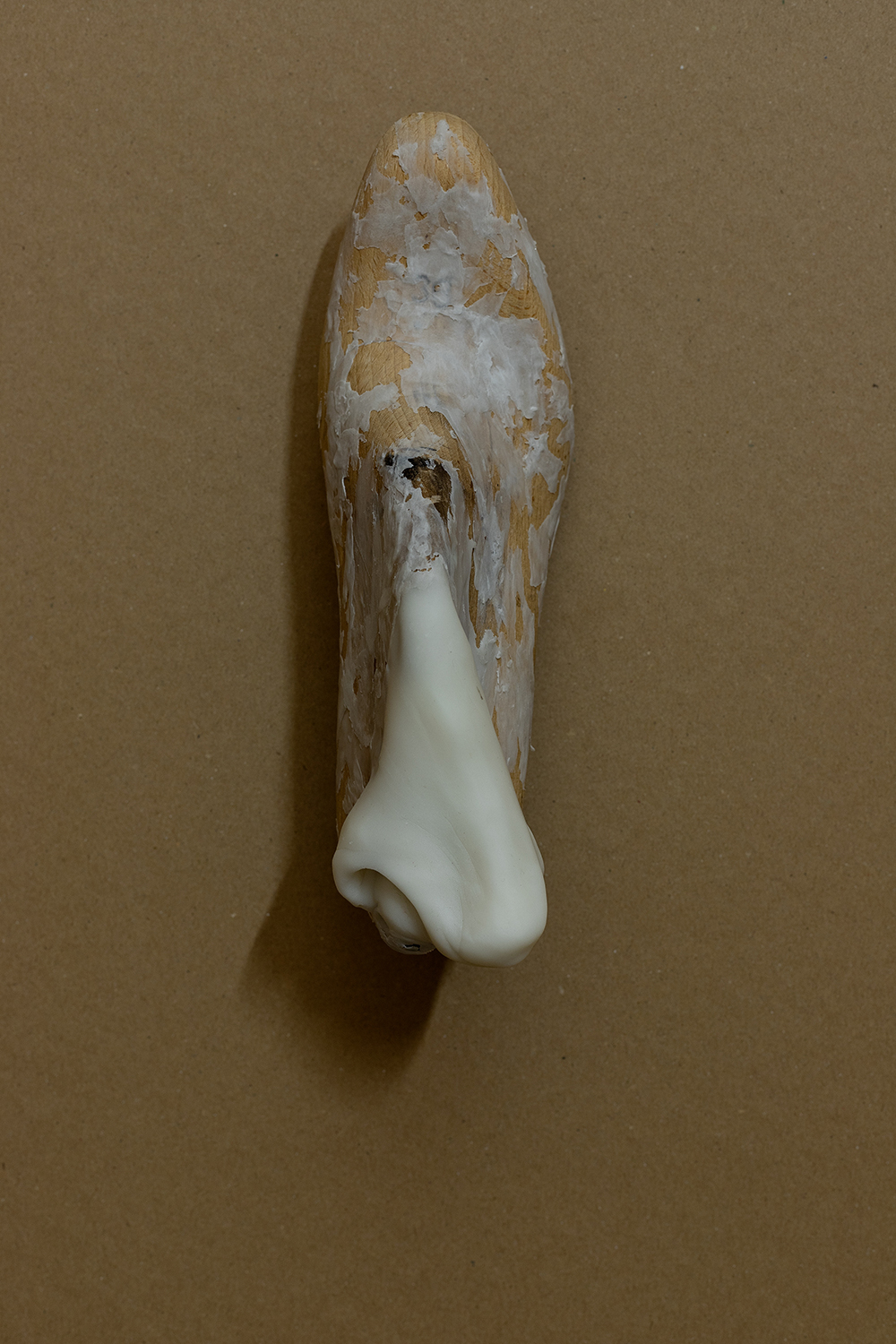
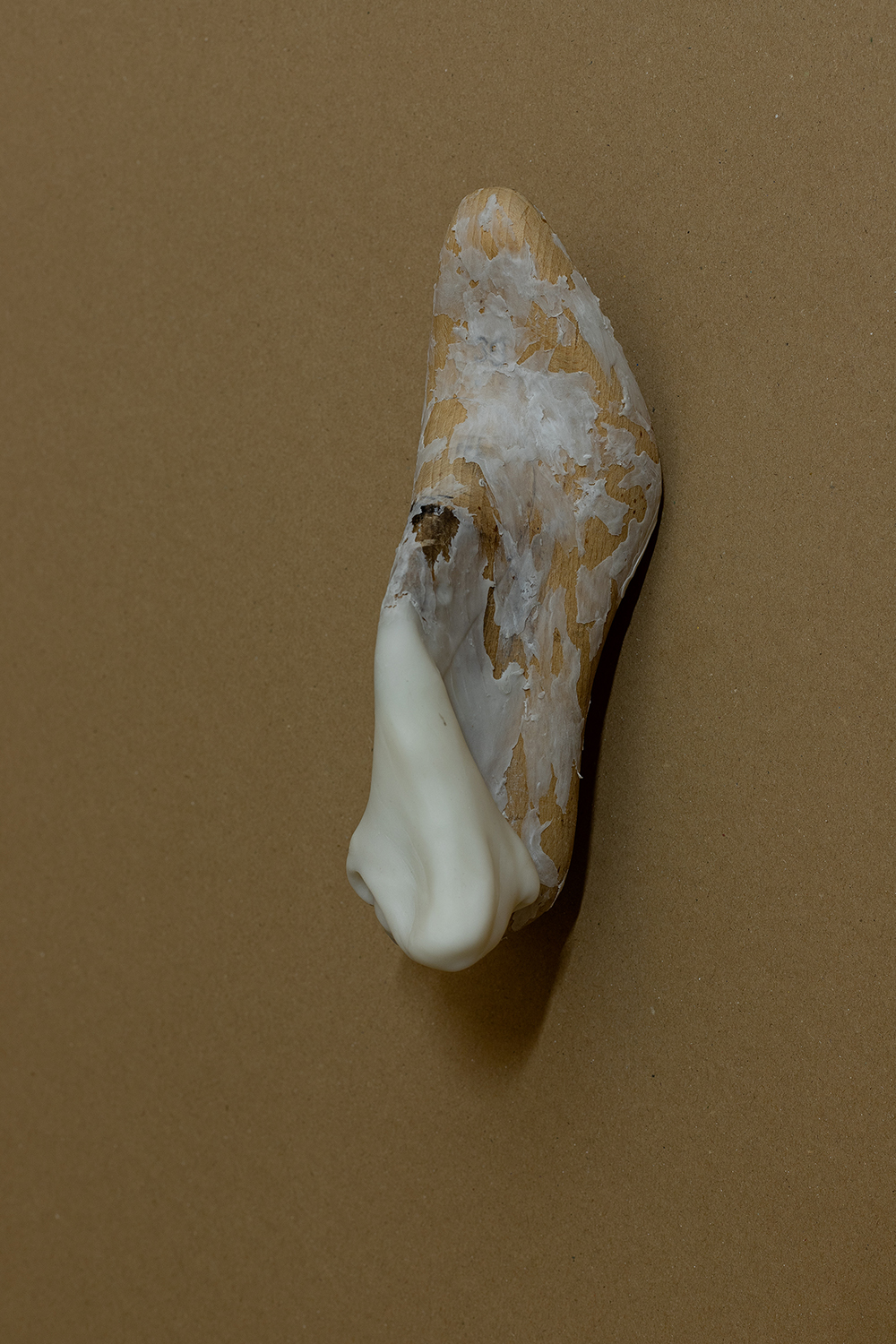
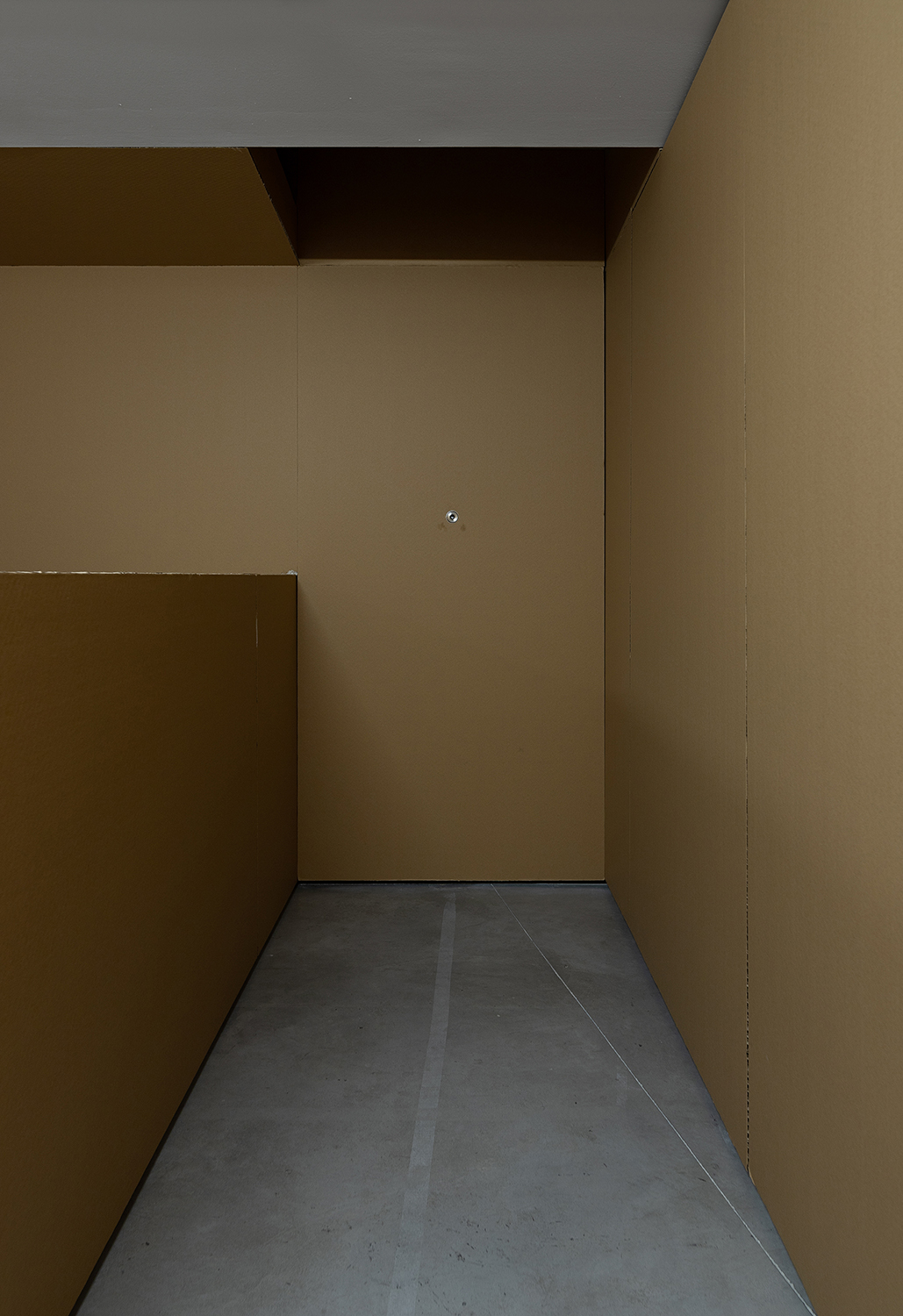
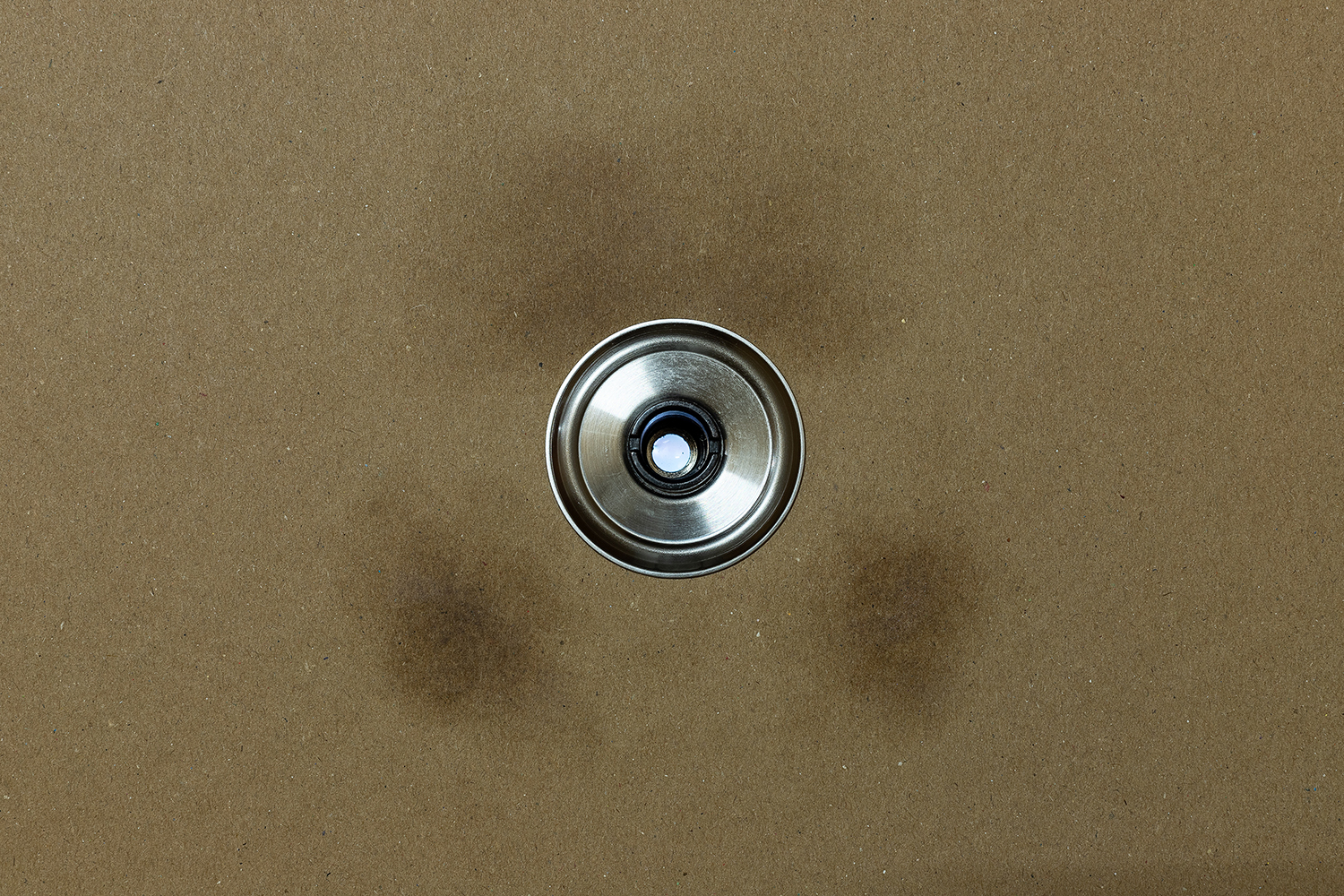
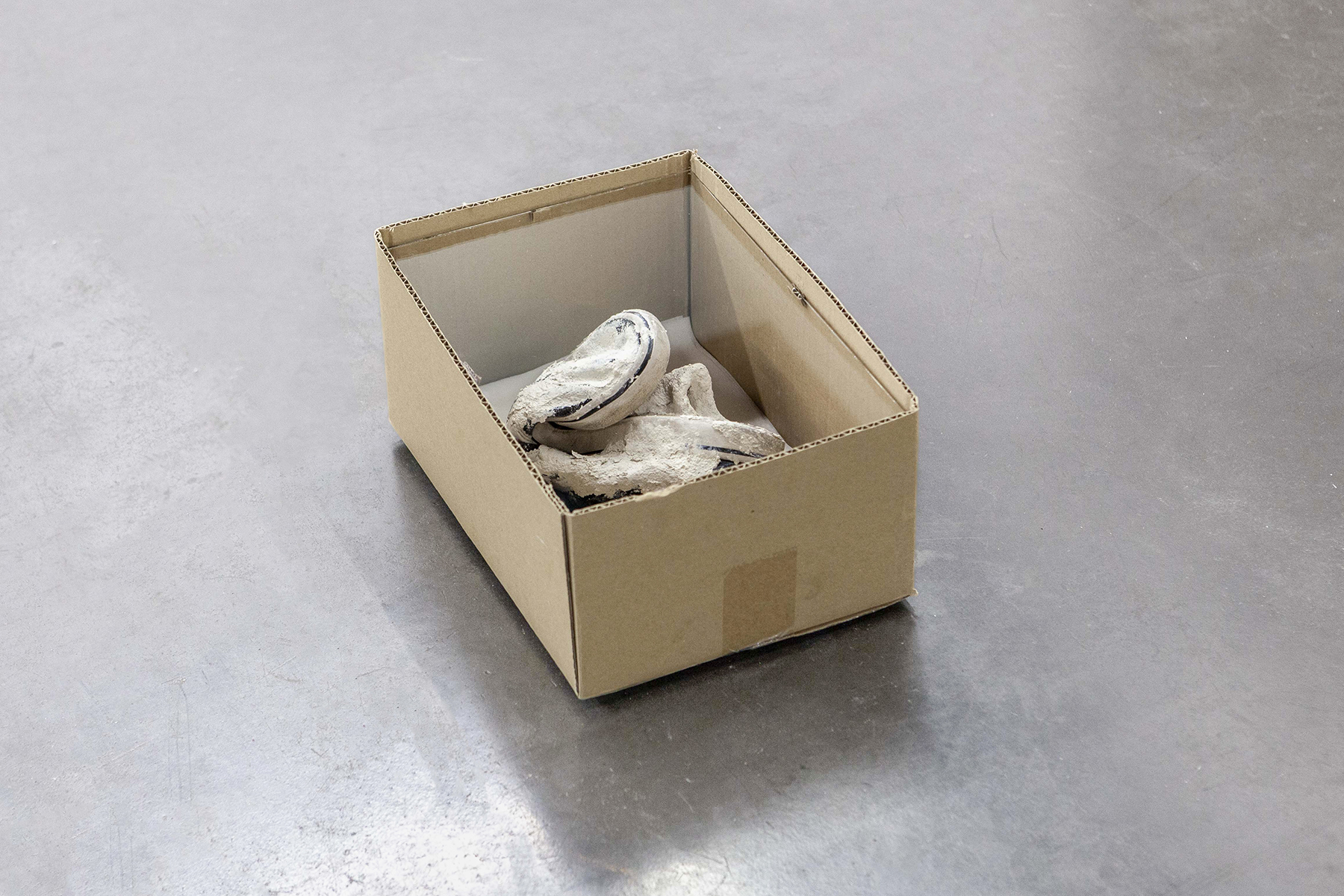
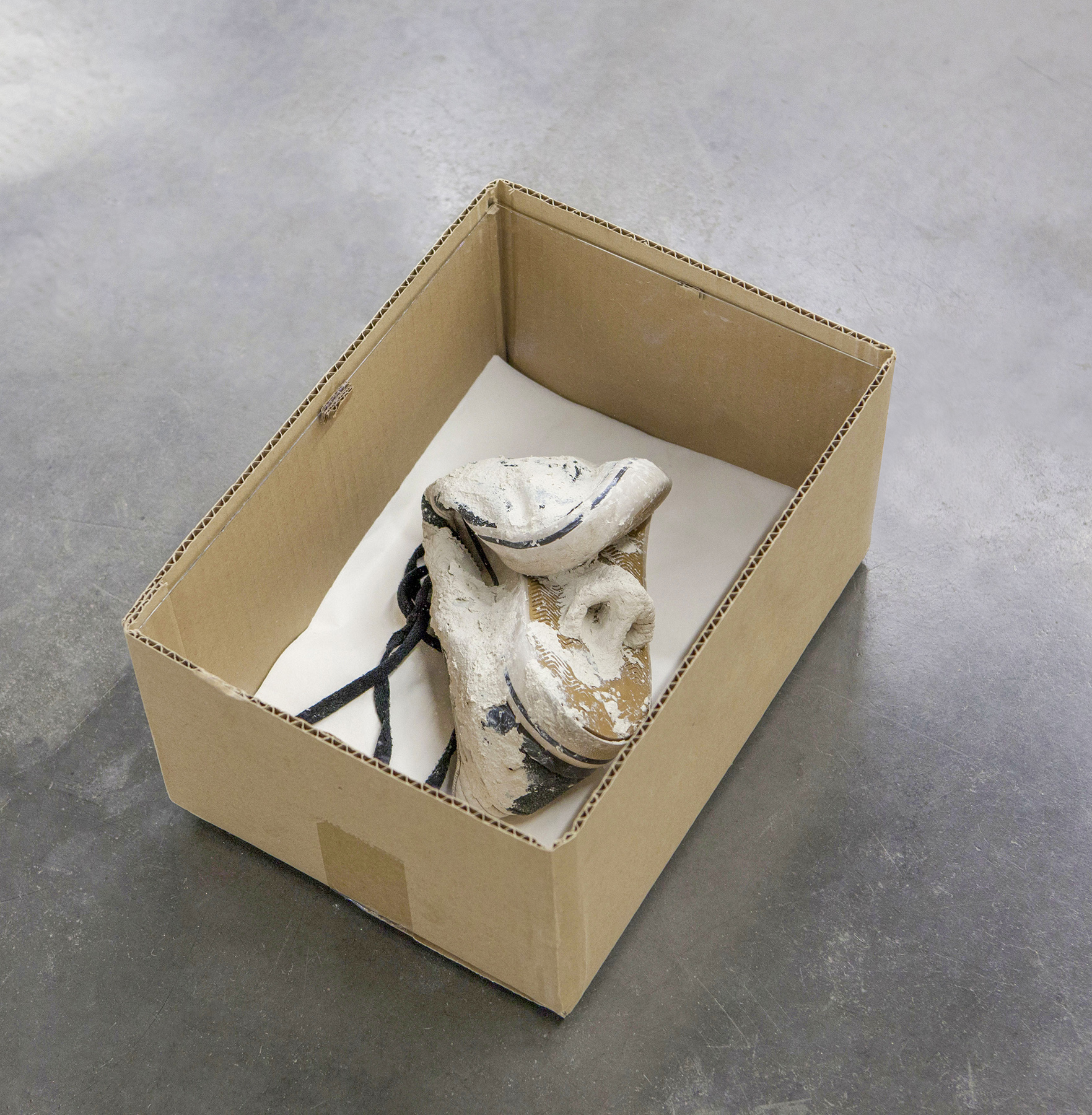
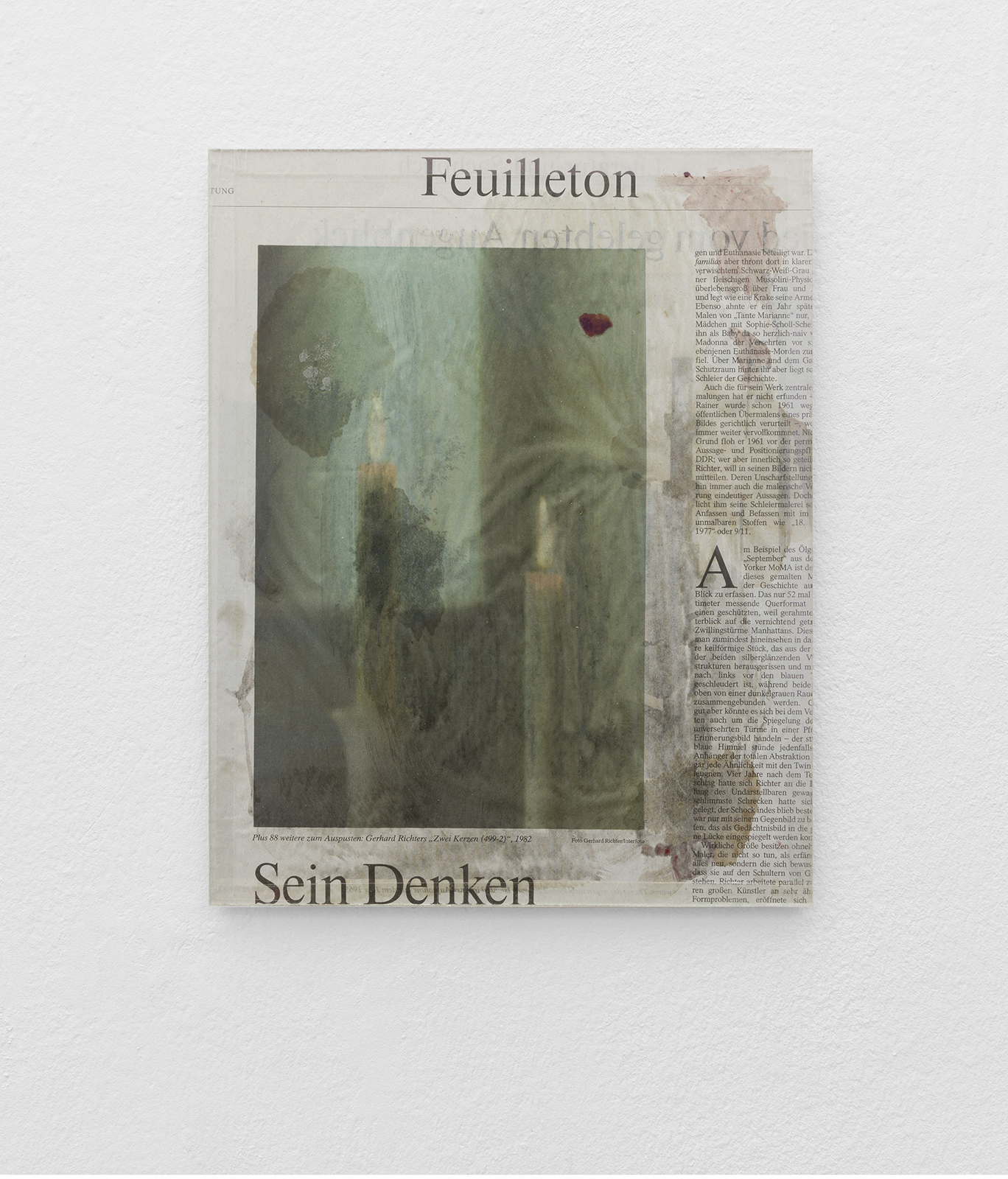
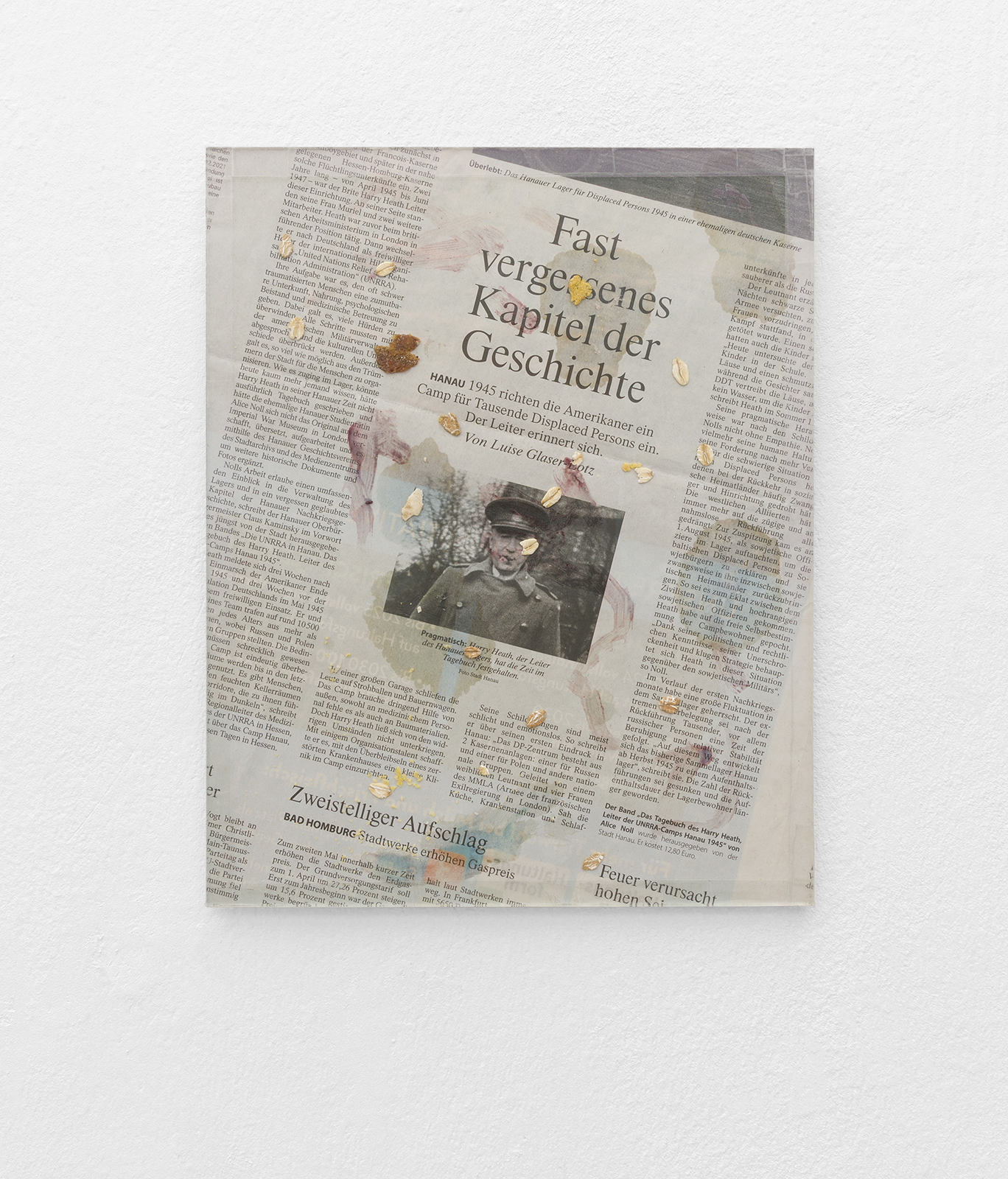
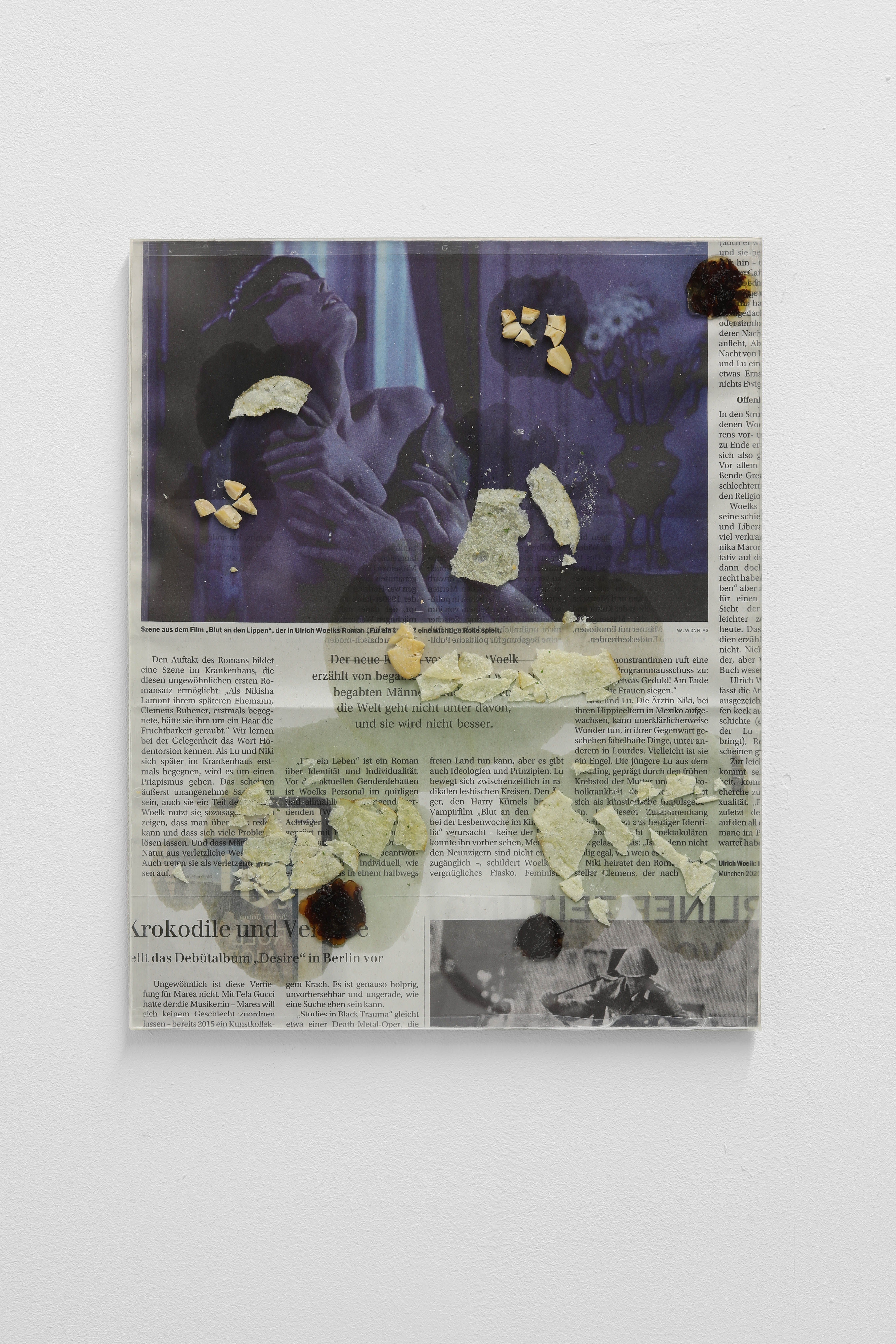
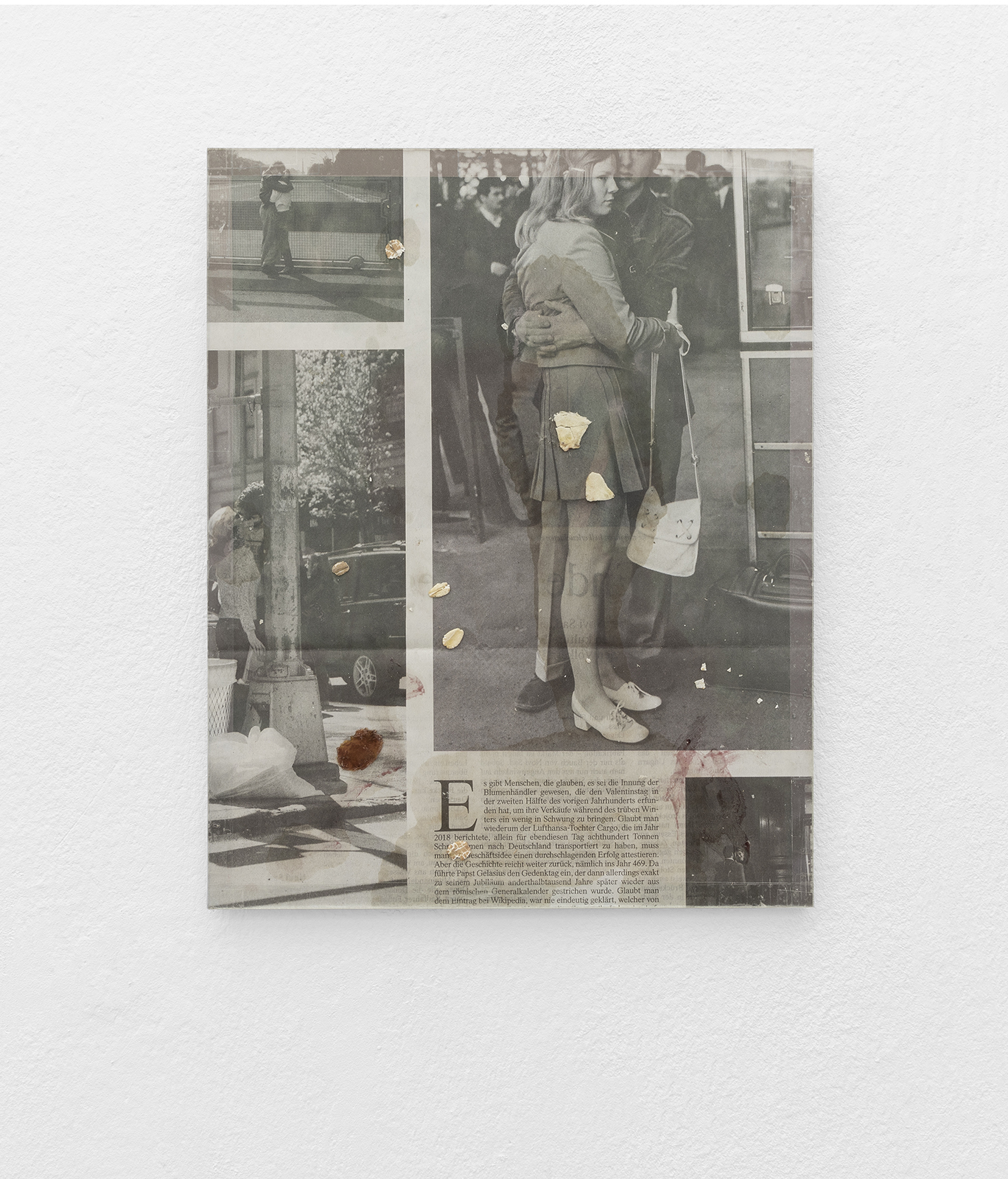
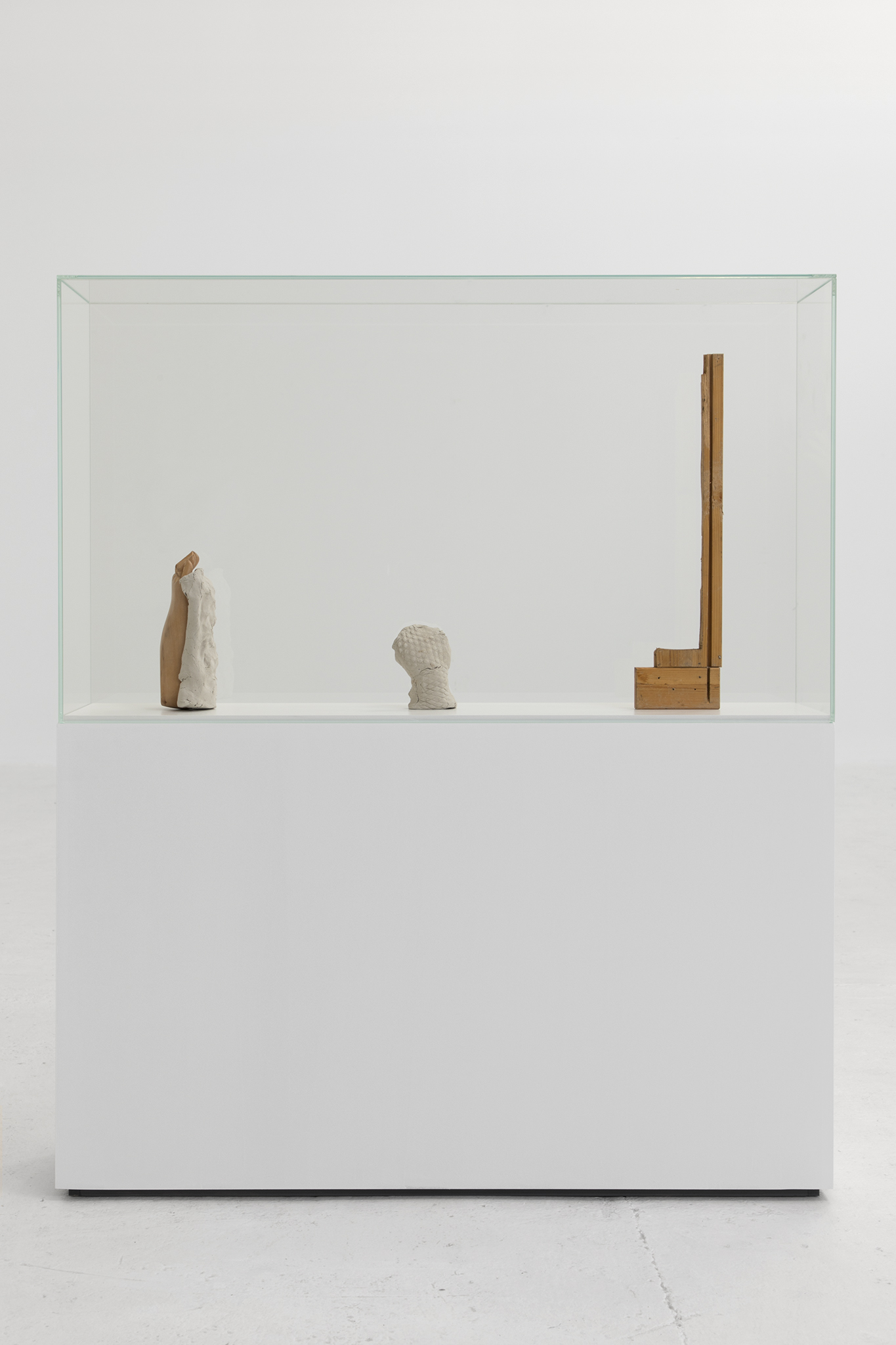
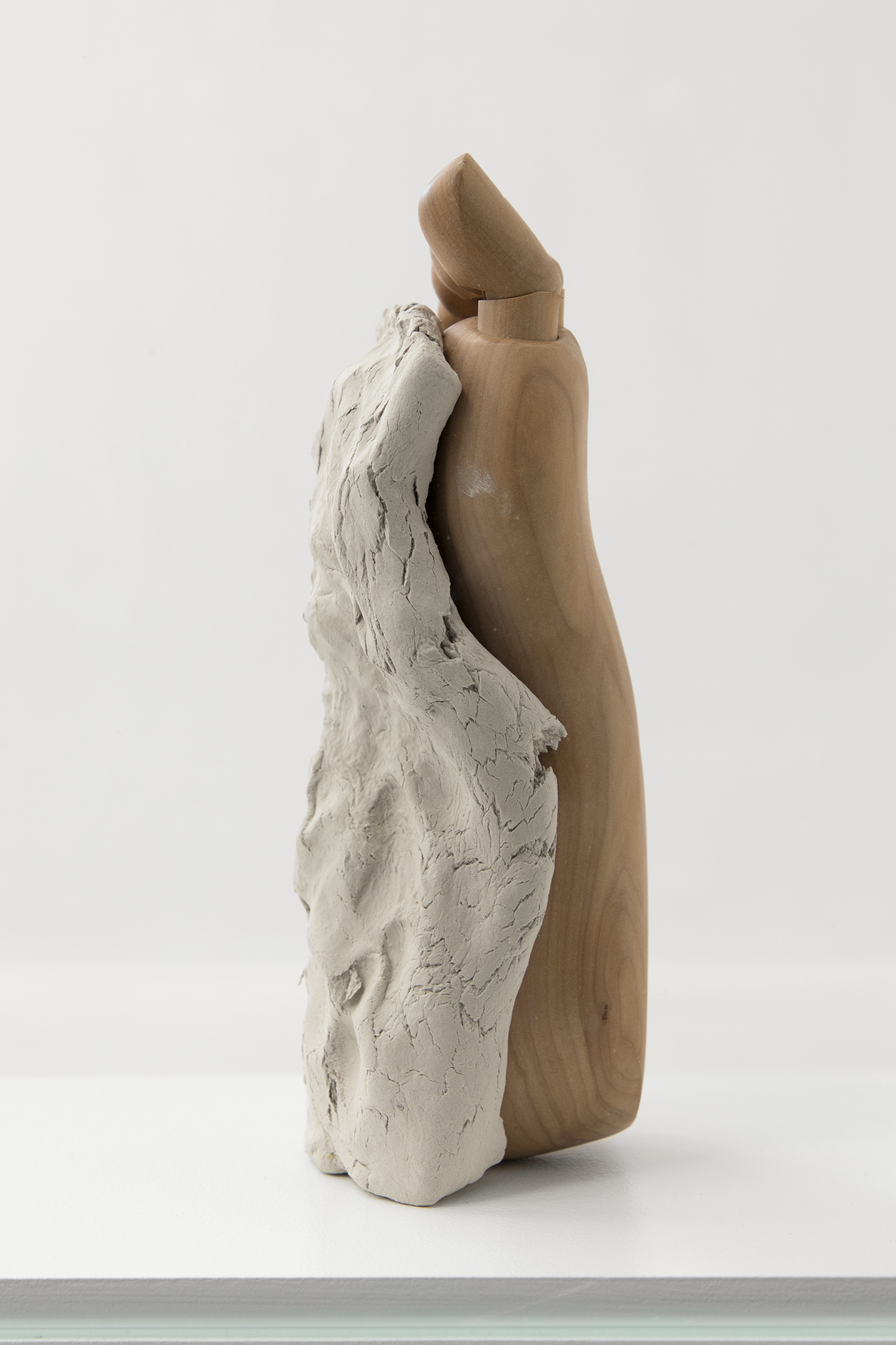
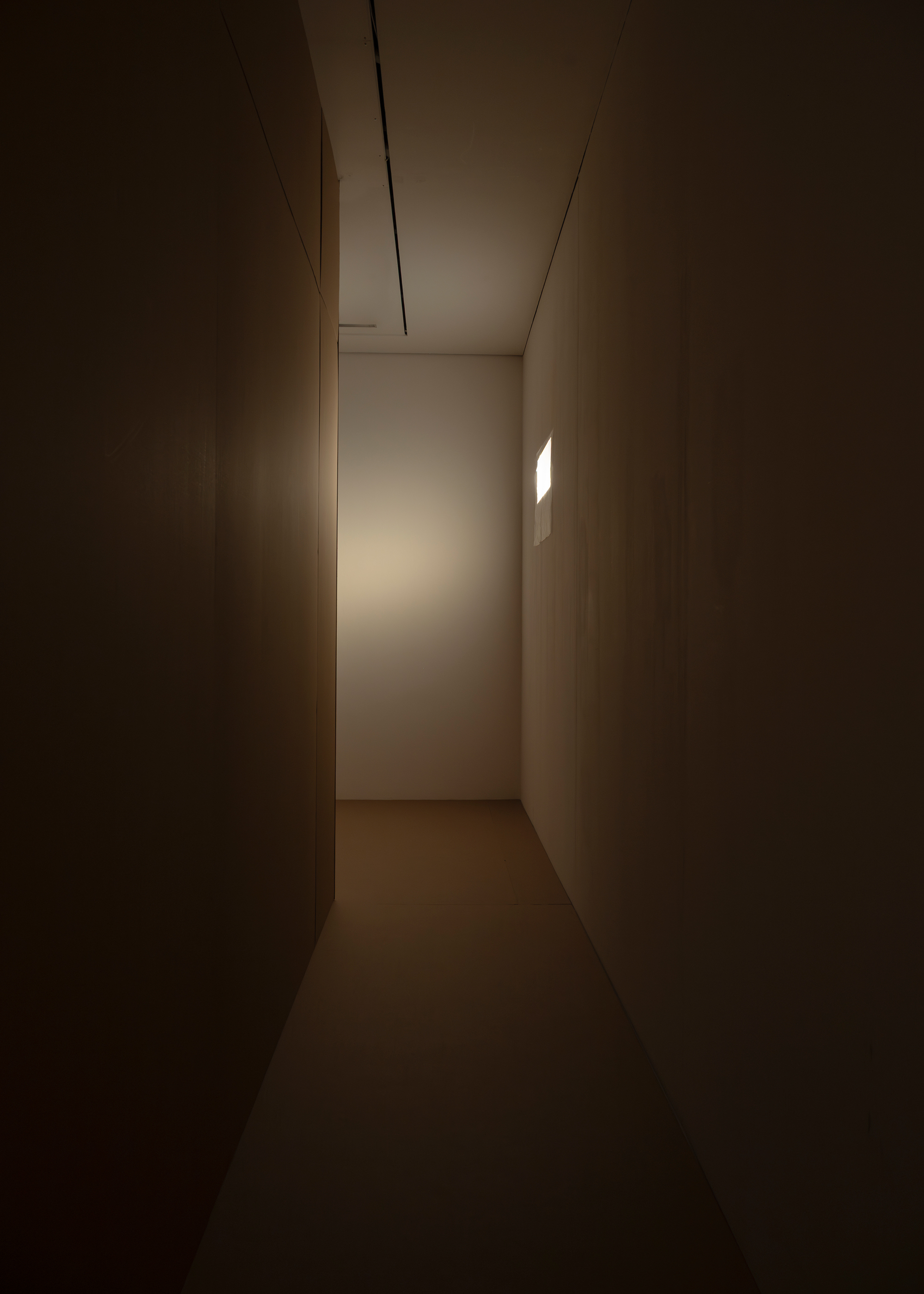
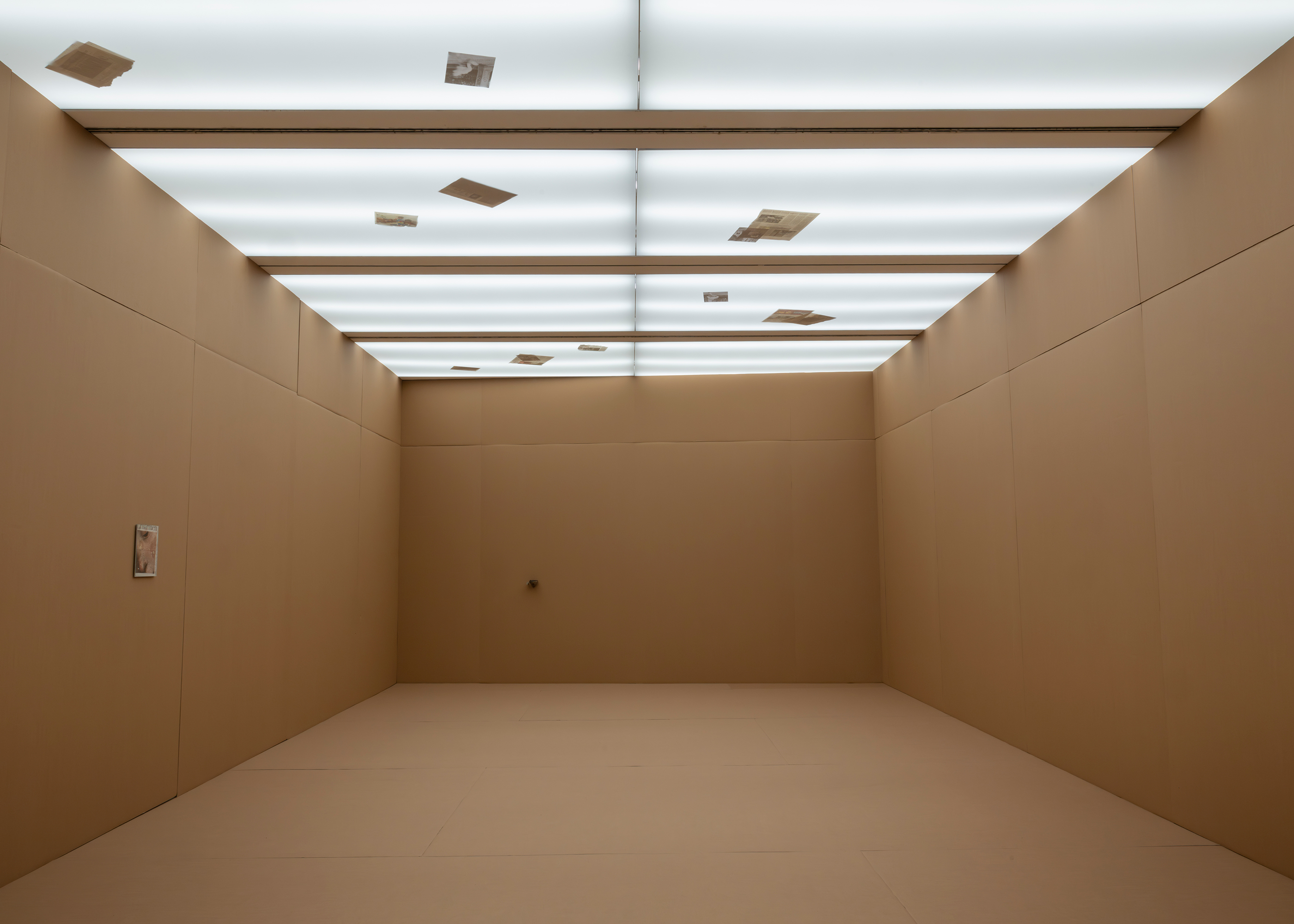
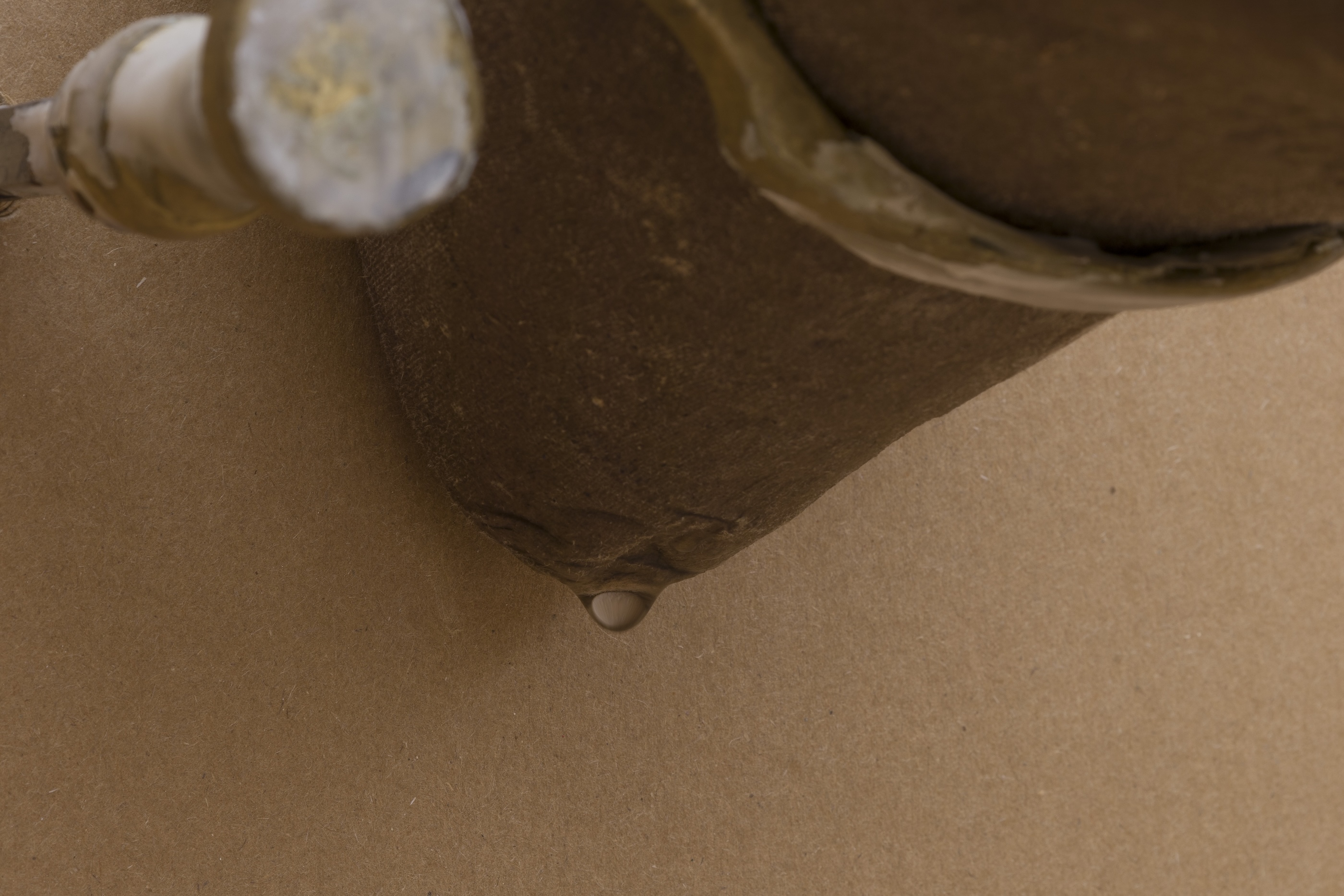
At the center of Waelder’s solo exhibition stands a labyrinthine structure made of cardboard, evoking the image of a packed moving box. The offset entrance of the arcaded hall diverts the gaze away from clear paths. Inside, sculptures, newspaper collages, a piano melody, and the materiality of cardboard and light condense into a dense assemblage—including a newspaper article covered with oats and traces of butter with the headline “Erbarmen” (“Mercy”), a deformed shoe last with a porcelain-like nose titled (...)
[Read more]
At the center of Waelder’s solo exhibition stands a labyrinthine structure made of cardboard, evoking the image of a packed moving box. The offset entrance of the arcaded hall diverts the gaze away from clear paths. Inside, sculptures, newspaper collages, a piano melody, and the materiality of cardboard and light condense into a dense assemblage—including a newspaper article covered with oats and traces of butter with the headline “Erbarmen” (“Mercy”), a deformed shoe last with a porcelain-like nose titled (...)
[Read more]